
820 W Laraway Rd, New Lenox, IL 60451
What to Expect During and After Mercury Filling Removal

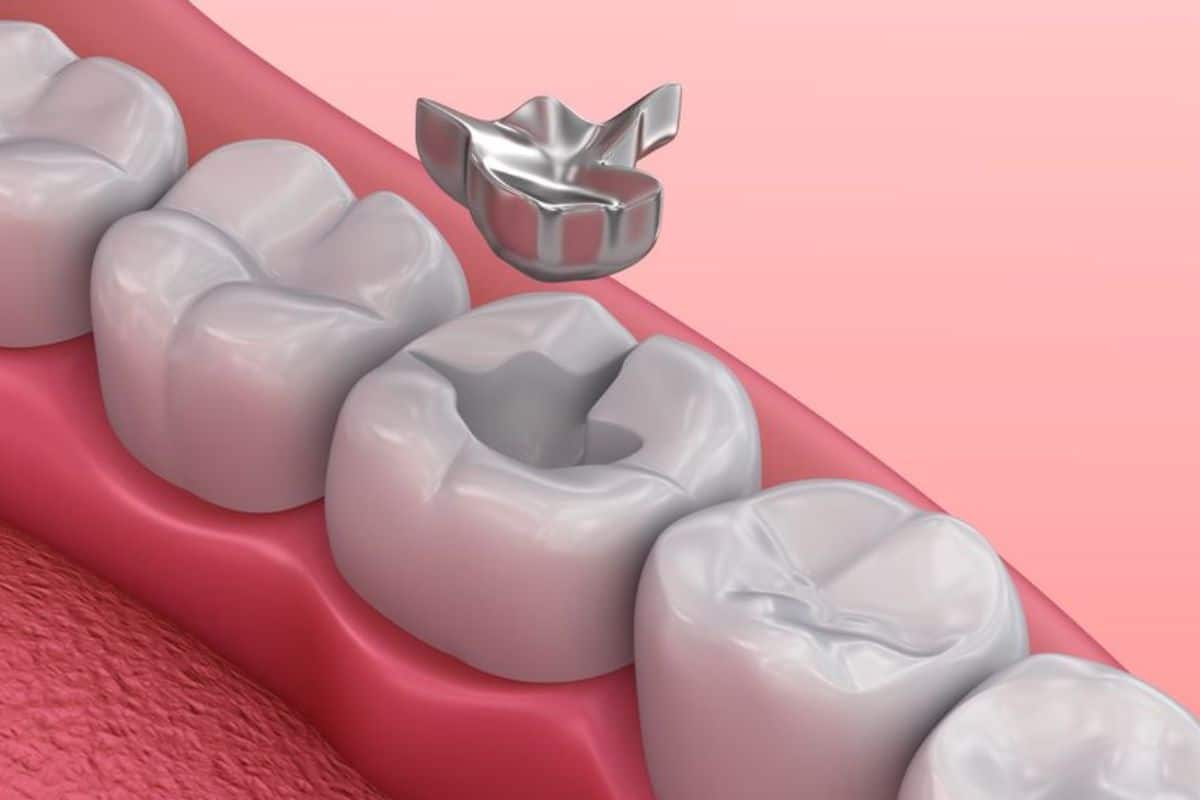
If you’re considering replacing your mercury (amalgam) fillings with a safer and more aesthetically pleasing option, you’re not alone. Many patients are choosing mercury filling removal due to health concerns, cosmetic preferences, or simply to upgrade to more modern dental materials. Understanding what the procedure involves—and what recovery looks like—can help you feel confident and prepared.
In this blog, we’ll break down the entire process: why people opt for mercury filling removal, what to expect during the procedure, how to manage the aftercare, and what benefits you may experience in the long term.
What Are Mercury Fillings?
Mercury fillings, also known as dental amalgam fillings, are a mix of metals including silver, tin, copper, and about 50% elemental mercury. They’ve been widely used in dentistry for over a century because of their strength and durability. However, due to increasing concerns about mercury exposure and its potential impact on overall health, many people are now seeking safer alternatives.
While the American Dental Association (ADA) and other organizations consider amalgam fillings safe for most people, some patients—especially those with sensitivities, autoimmune conditions, or a preference for holistic care—prefer to have them removed as a precaution.
Why Do People Choose to Remove Mercury Fillings?
There are several reasons why patients request mercury filling removal:
- Health Concerns: Though amalgam fillings are generally safe, they can release small amounts of mercury vapor, especially when chewing or grinding teeth. Over time, this exposure may cause concern for people with sensitivities or preexisting conditions.
- Aesthetic Improvement: Amalgam fillings are dark silver in color and can be highly visible when you speak or smile. Replacing them with tooth-colored composite fillings can enhance your smile’s appearance.
- Cracks or Leaks: Older amalgam fillings can crack, break, or cause the surrounding tooth to fracture. This is a common reason for replacement with more modern and flexible materials.
- Holistic or Biological Dentistry Preference: Many patients following a holistic approach prefer to eliminate potential sources of toxins from their bodies—including mercury fillings.
What to Expect Before Mercury Filling Removal
Before your dentist begins the procedure, they will review your medical history, perform a thorough oral examination, and take X-rays to assess the condition of the fillings and surrounding tooth structure.
If you’re concerned about mercury exposure during removal, make sure to choose a dentist who uses safe mercury removal protocols, such as the SMART (Safe Mercury Amalgam Removal Technique) guidelines provided by the International Academy of Oral Medicine & Toxicology (IAOMT). These protocols are designed to minimize mercury exposure to both the patient and dental team.
Step-by-Step: The Mercury Filling Removal Process
Here’s what typically happens during the mercury filling removal procedure:
1. Protective Measures Are Set Up
To ensure your safety, your dentist will implement multiple protective measures:
- A dental dam to isolate the tooth and reduce exposure
- High-volume suction to remove particles and vapor
- A saliva ejector under the dental dam
- External air or oxygen supply through a nasal mask
- Protective coverings for the face, body, and eyes
- Air filtration systems in the operatory
These measures ensure that both you and the dental team are protected from mercury particles and vapor during the procedure.
2. The Filling Is Carefully Sectioned and Removed
Using specialized tools and a water coolant, your dentist will cut the filling into smaller sections rather than drilling it out in one piece. This reduces heat and minimizes mercury vapor release. The dentist will then remove the amalgam pieces using suction and hand instruments.
3. Tooth Is Cleaned and Evaluated
Once the filling is removed, the tooth is carefully inspected for any cracks, decay, or structural damage. It will then be thoroughly cleaned to eliminate any remaining amalgam particles or residue.
4. New Filling or Restoration Is Placed
Depending on the extent of the removal and the condition of the tooth, your dentist will restore it using one of the following options:
- Composite resin (tooth-colored filling)
- Porcelain inlay or onlay
- Dental crown (if the tooth needs extensive reinforcement)
The new material is bonded securely to your tooth, restoring both function and aesthetics.
What to Expect After Mercury Filling Removal
1. Mild Sensitivity or Discomfort
It’s normal to experience some tooth sensitivity or mild soreness in the days following the procedure, especially to hot or cold temperatures. This is usually temporary and can be managed with over-the-counter pain relief or sensitivity toothpaste.
2. Detoxification Support (Optional)
Some patients, especially those working with a holistic healthcare provider, may choose to follow a detoxification regimen after mercury filling removal. This might include activated charcoal, chlorella, or other supplements aimed at supporting the body’s natural detox pathways. Always consult your physician before starting any detox plan.
3. Diet Adjustments
Stick to soft foods and avoid very hot or cold items for the first day or two. This will help minimize discomfort while your mouth heals and adjusts to the new restorations.
4. Oral Hygiene Routine
Resume regular brushing and flossing immediately—gently at first. Keeping the area clean will promote healing and reduce the risk of infection or inflammation.
5. Follow-Up Visit
Your dentist may schedule a follow-up appointment to ensure the filling has properly bonded and the tooth is healing well. If any adjustments are needed (e.g., if your bite feels uneven), they can be made during this visit.
Benefits of Mercury Filling Removal
Once you’ve had your amalgam fillings replaced, you may notice several benefits:
- Improved Appearance: Composite or porcelain restorations blend naturally with your existing teeth.
- Peace of Mind: For those concerned about mercury exposure, removal offers mental and emotional relief.
- Enhanced Comfort: Newer materials expand and contract less than amalgam, which can reduce future tooth cracks or discomfort.
- Support for Holistic Health: Mercury removal is often part of a broader wellness plan for those managing chronic conditions or autoimmune diseases.
Is Mercury Filling Removal Right for You?
If you’re considering mercury filling removal, it’s essential to work with a knowledgeable dentist who follows strict safety protocols. This ensures that the procedure is both effective and minimally invasive to your body.
The best candidates for mercury filling removal typically:
- Have old or damaged amalgam fillings
- Want to improve the cosmetic appearance of their smile
- Are following a holistic or biological approach to health
- Have mercury sensitivities or autoimmune conditions
- Prefer to use non-metal or BPA-free dental materials
Mercury filling removal is a safe and effective way to improve your oral health, protect your body from potential toxins, and enjoy a more natural-looking smile. With the right dentist and proper protocols, the process is smooth and manageable from start to finish.
If you’re ready to transition away from mercury fillings, it’s time to take the first step. Please request an appointment now at our 820 W Laraway Rd, New Lenox, IL 60451 office. We’re here to answer your questions, provide expert care, and guide you through every step of the process.