
820 W Laraway Rd, New Lenox, IL 60451
Signs You Might Need a Root Canal: Symptoms and Diagnosis

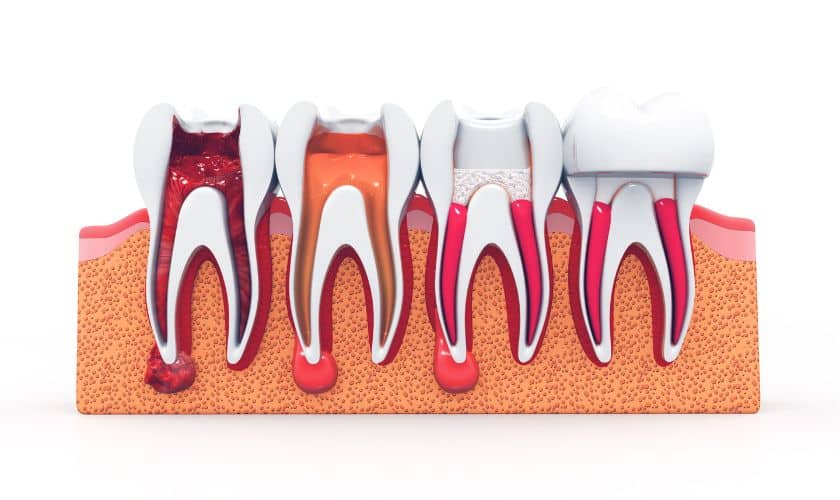
Root canal therapy is a common dental procedure designed to save a tooth that has been severely damaged or infected. Understanding the signs that indicate you might need a root canal can help you seek treatment promptly and avoid more severe dental issues. This blog will discuss the symptoms of a compromised tooth and how dentists diagnose the need for root canal therapy.
Common Symptoms Indicating the Need for a Root Canal
- Persistent Tooth Pain
- Nature of Pain: Continuous, throbbing pain that may worsen when chewing or applying pressure.
- Location: Can radiate to the jaw, face, or other teeth, making it difficult to pinpoint the exact source.
- Sensitivity to Temperature
- Hot and Cold Sensitivity: A lingering sensitivity or sharp pain when consuming hot or cold foods and beverages that persists even after the stimulus is removed.
- Swollen Gums
- Localized Swelling: Swelling around a specific tooth can indicate an infection in the tooth’s pulp.
- Tenderness and Discoloration: The gums may be tender to the touch and could appear redder than usual.
- Darkening or Discoloration of the Tooth
- Internal Damage: A tooth that turns grayish or darkens over time might have internal damage or a dying nerve, indicating the need for a root canal.
- Pimple on the Gums
- Fistula: A small, pimple-like bump on the gums near the affected tooth, which can periodically release pus, indicating an abscess.
- Cracked or Chipped Tooth
- Structural Damage: A tooth that has sustained a crack or chip can allow bacteria to enter the pulp, leading to infection and necessitating a root canal.
Diagnosing the Need for Root Canal Therapy
- Dental Examination
- Visual Inspection: Dentists thoroughly examine the tooth and surrounding gums to check for visible signs of damage or infection.
- Palpation: The dentist may gently press on the tooth and surrounding areas to identify swelling, tenderness, or abnormalities.
- X-rays
- Detailed Imaging: X-rays are essential for diagnosing root canal issues as they reveal the internal structure of the tooth, including the pulp chamber and root canals.
- Identifying Infections: X-rays can show abscesses, deep decay, or bone loss around the tip of the tooth root, which are indicative of an infection.
- Pulp Vitality Tests
- Cold and Electric Pulp Testing: Dentists may perform tests to assess the health of the tooth’s pulp. These tests involve applying cold stimuli or using a small electric current to determine the tooth’s response.
- Sensitivity Response: A lack of response or an exaggerated reaction can indicate nerve damage or infection, signaling the need for a root canal treatment.
- Percussion Testing
- Tapping on Teeth: The dentist may tap on the suspected tooth and adjacent teeth with a special instrument to gauge sensitivity and pain levels.
- Comparative Analysis: Comparing the response of the affected tooth with other teeth helps in diagnosing the problem.
- Bite Test
- Bite Force Evaluation: The dentist might ask you to bite down on a specific object to identify pain or discomfort, which can help locate the problematic tooth.
Conclusion
Recognizing the signs that you might need a root canal and understanding how dentists diagnose the need for this procedure can help you address dental issues promptly. Persistent pain, sensitivity to temperature, swollen gums, tooth discoloration, the presence of a pimple on the gums, and structural damage like cracks or chips are all indicators that should not be ignored. If you experience any of these symptoms, schedule an appointment with your dentist. Early diagnosis and treatment can save your tooth and prevent further complications.