
820 W Laraway Rd, New Lenox, IL 60451
Can Tooth Enamel Be Repaired Naturally? What You Should Really Know

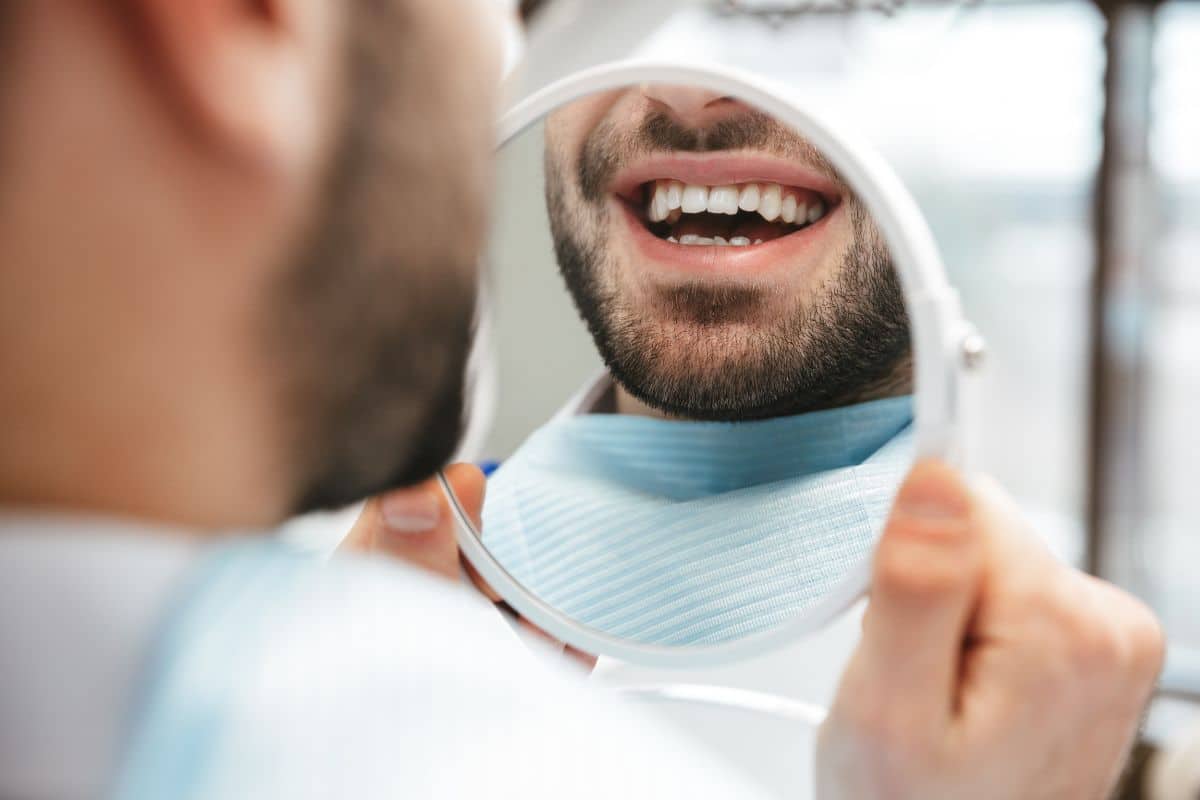
Tooth enamel plays a vital role in protecting your teeth from damage, sensitivity, and decay. It’s the outermost layer of your teeth and also the hardest substance in the human body. Despite its strength, enamel isn’t indestructible. Daily habits, diet choices, and oral hygiene routines all affect its condition over time.
Many people wonder whether tooth enamel can be restored naturally once it begins to wear down. The short answer is nuanced: enamel cannot grow back, but in certain early stages, it can be strengthened and protected. Understanding this difference is key to maintaining long-term oral health.
What Exactly Is Tooth Enamel?
Enamel is a mineral-rich coating made primarily of calcium and phosphate. Its job is to shield the inner layers of the tooth—dentin and pulp—from bacteria, acids, and physical damage. Unlike other tissues in the body, enamel does not contain living cells. This means it does not have the ability to regenerate or heal itself once it is lost.
Because enamel doesn’t renew itself, protecting what you already have is essential.
Not sure if your enamel damage needs treatment?
Let our experienced dental team evaluate your teeth and recommend the right solution—call Nelson Ridge Family Dental today.
Can Enamel Grow Back on Its Own?
No—once enamel is worn away or eroded, it does not regenerate naturally. Claims suggesting that enamel can “grow back” through home remedies or natural treatments are misleading. However, that doesn’t mean your teeth are powerless against early damage.
When enamel is weakened but not completely gone, the tooth can benefit from a process known as remineralization. This process helps reinforce the remaining enamel structure and slow down further deterioration.
Understanding Remineralization
Remineralization occurs when minerals such as calcium and phosphate are redeposited into weakened enamel. These minerals come from saliva, dental products, and certain foods. While remineralization does not rebuild lost enamel thickness, it can strengthen areas that are beginning to soften due to acid exposure.
Think of it as reinforcing a wall that has started to weaken—not rebuilding it from scratch, but preventing further breakdown.
Everyday Habits That Support Enamel Strength
Although enamel can’t regenerate, consistent daily habits can help preserve and fortify it:
1. Use Fluoride Consistently
Fluoride plays a critical role in enamel protection. It helps make teeth more resistant to acid attacks and supports remineralization. Using fluoride toothpaste and drinking fluoridated water (when available) can significantly benefit enamel health.
2. Maintain a Balanced Diet
Frequent consumption of sugary or acidic foods increases the risk of enamel erosion. Soft drinks, citrus fruits, sports drinks, and candies can weaken enamel over time. Reducing how often you consume these items—and rinsing with water afterward—can minimize damage.
Foods rich in calcium, phosphorus, and vitamin D, such as dairy products, leafy greens, nuts, and fish, support overall tooth strength.
3. Encourage Healthy Saliva Flow
Saliva is your mouth’s natural defense system. It helps wash away food particles and neutralize acids. Staying hydrated, chewing sugar-free gum, and avoiding tobacco can promote saliva production.
Dry mouth increases the risk of enamel wear, so addressing chronic dryness with your dentist is important.
4. Brush Gently and Correctly
Using a hard-bristled toothbrush or brushing too aggressively can wear enamel down over time. A soft-bristled brush and gentle circular motions are more effective and safer for enamel.
Also, avoid brushing immediately after consuming acidic foods or drinks. Waiting 30 minutes allows saliva to neutralize acids and prevents additional erosion.
Are “Natural” Remedies Effective?
Many online trends claim that DIY treatments—such as oil pulling, charcoal powders, or baking soda mixtures—can restore enamel. While some of these practices may improve oral cleanliness temporarily, they do not rebuild enamel. In fact, abrasive substances can worsen enamel erosion if used incorrectly.
Some modern toothpaste formulas include ingredients like hydroxyapatite, a mineral similar to enamel. These products may help improve surface strength, but they still do not regenerate enamel that has already been lost.
When Enamel Damage Becomes a Bigger Problem
If enamel erosion progresses too far, teeth may become sensitive, discolored, or more prone to cavities. At this stage, natural methods are no longer enough. Professional dental care becomes essential.
Depending on the severity, treatment options may include:
- Dental bonding to protect exposed areas
- Veneers or crowns for advanced wear
- Desensitizing treatments to reduce discomfort
Regular dental exams allow early detection of enamel wear before it turns into a more serious issue.
Why Professional Guidance Matters
Enamel damage often happens gradually and without noticeable symptoms at first. That’s why routine dental visits are so important. A dentist can identify early signs of erosion, recommend personalized preventive strategies, and guide you toward products and treatments that truly help.
Relying solely on online advice or home remedies can delay proper care and lead to more extensive dental problems later on.
Protecting Your Enamel for the Long Term
While tooth enamel cannot be naturally restored once it’s gone, it can be protected, strengthened, and preserved with the right approach. Consistent oral hygiene, smart dietary choices, fluoride use, and professional dental care all play a role in keeping your teeth healthy for life.
If you’re concerned about enamel wear or tooth sensitivity, don’t wait until the damage worsens. Early action makes a meaningful difference.
Schedule a Dental Evaluation Today
We focus on preventive care and personalized treatment to help you maintain strong, healthy teeth. Visit our dental office today to schedule an exam and learn how to protect your enamel for years to come.
FAQs – Can Tooth Enamel Be Restored Naturally?
Can tooth enamel grow back once it’s gone?
No. Tooth enamel does not regenerate because it lacks living cells. Once enamel is lost, it cannot grow back naturally or through home remedies.
What is remineralization, and how does it help enamel?
Remineralization is a process where minerals like calcium and phosphate strengthen weakened enamel. It can slow damage and improve enamel strength but does not replace lost enamel.
Does fluoride actually help protect enamel?
Yes. Fluoride helps reinforce enamel, making it more resistant to acid attacks and decay. It is one of the most effective tools for preventing enamel erosion.
Can natural remedies restore enamel?
Natural methods such as oil pulling or DIY pastes cannot rebuild enamel. Some may support oral cleanliness, but they do not restore enamel structure.
How do I know if my enamel is wearing down?
Common signs include tooth sensitivity, yellowing teeth, rough edges, and increased cavities. A dentist can detect early enamel erosion during routine exams.
What foods are best for enamel health?
Foods rich in calcium and phosphorus—like dairy products, leafy greens, nuts, and fish—support tooth strength. Drinking water also helps neutralize acids.
When should I see a dentist for enamel problems?
If you notice sensitivity, discoloration, or frequent cavities, it’s important to schedule a dental visit. Early intervention can prevent more serious damage.