820 W Laraway Rd, New Lenox, IL 60451
What New Lenox Parents Should Know About Teething Milestones and Pediatric Dental Care

Watching your baby grow and develop is one of the most exciting yet challenging moments for parents. One of the first milestones that often raises many questions is teething. For many parents, understanding the stages of teething and how it affects a toddler’s dental health can be overwhelming. However, knowing the basics about teething and proper pediatric dental care is essential for ensuring your child’s oral health stays on track. For parents, the journey through teething can be made smoother with the right guidance. As your kid’s first teeth start to emerge, you may wonder when to seek care and what steps you can take to help soothe discomfort. Ensuring early and proactive care can prevent issues down the road, making your role as a parent a little easier.
At Nelson Ridge Family Dental, we understand that teething and early childhood dental care are important. Learn everything you need to know about teething milestones and when to visit a pediatric dentist in New Lenox.
What Are the Typical Teething Milestones?
Teething is an exciting and sometimes challenging phase for both parents and babies. As your kid grows, they will experience a variety of milestones, and understanding these can help you better navigate the process.
1. First Teeth Appear
The first teeth, usually the lower central incisors, begin to appear around 6 months. In this place, with its unique seasonal changes, teething might happen alongside other challenges like cold weather and dry air, which could make your baby feel more irritable.
2. The Full Set of Baby Teeth
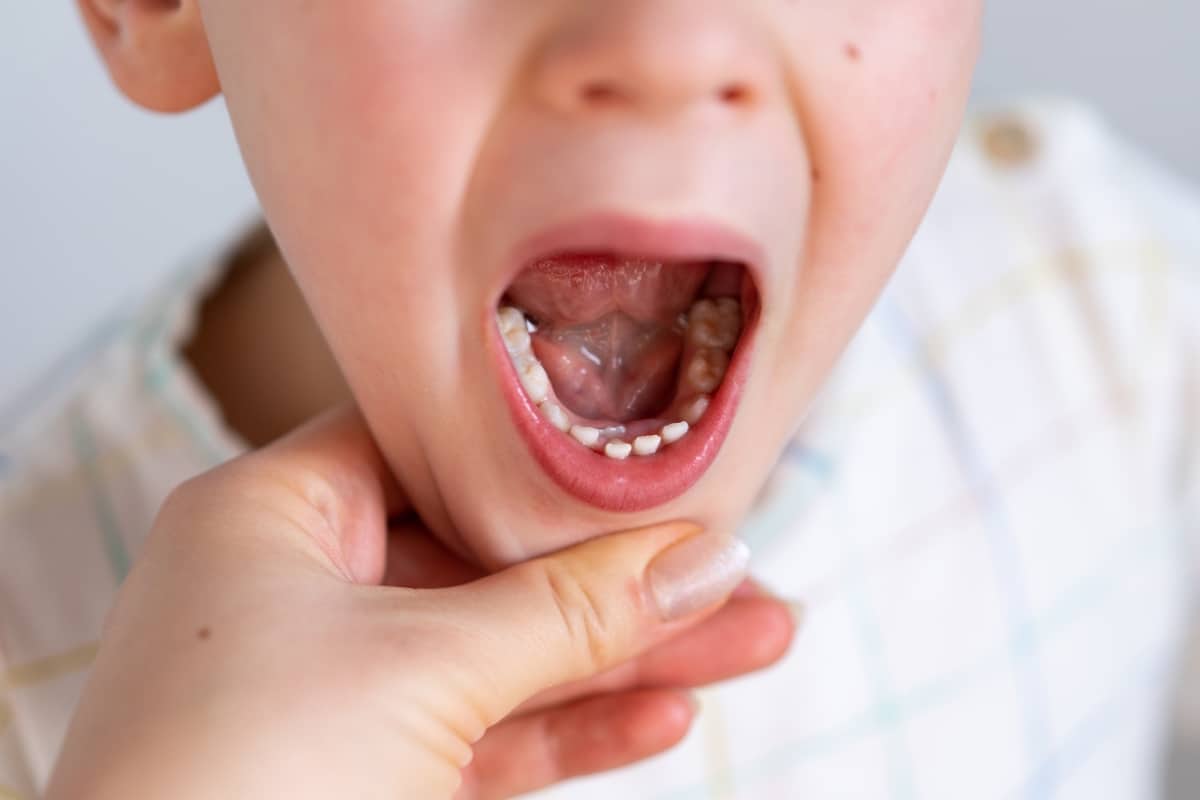
By the time your baby turns 3 years old, they will likely have a full set of 20 baby teeth. It’s important to monitor how they are growing and check for any signs of early issues.
3. The Molars Come In
Around 12 to 18 months, the back molars will emerge, which are typically larger and more painful. At this stage, your kid may experience more discomfort, so keeping them comfortable is key.
4. When to Start Dental Care
It’s important to start dental care even before the first tooth emerges. Gently cleaning the gums with a soft cloth can establish good habits early on. As New Lenox families know, establishing these habits from the beginning can prevent dental issues later.
Why Does Pediatric Dental Care Matters Early On?
Many parents might feel that it’s not necessary to take their child to the dentist until they’re older, especially when there’s little to no visible concern about their baby’s teeth. However, the truth is that pediatric dental care should start well before your kid’s first birthday. Early dental visits can play a pivotal role in ensuring your toddler’s long-term oral health. By taking proactive steps early on, you can help prevent future issues, establish healthy habits, and address potential concerns while they are still manageable. Starting dental care early can pave the way for healthier teeth and gums throughout your toddler’s life.
1. Preventing Early Cavities
Cavities are not just a problem for adult teeth; they can also develop in baby teeth. Many parents assume that baby teeth are temporary and don’t need much attention. However, these first teeth play a crucial role in your child’s overall dental development. Sweet treats and sticky snacks are commonly enjoyed, but it’s important to ensure that your kids’ teeth are cleaned regularly to avoid early cavities. Without proper care, bacteria can build up in the mouth, leading to tooth decay, pain, infections, and long-term oral health issues. Early dental visits allow the dental professional to catch potential problems before they become serious. This will help your child maintain a healthy, cavity-free smile.
2. Establishing Healthy Habits
The earlier you start, the better. Teaching your toddler proper dental habits from a young age can have a lasting impact on their future oral health. Regular dental visits provide a chance for your child to become accustomed to visiting the oral practitioner. This makes the experience feel familiar and less intimidating. The routine also gives your kid the tools and guidance they need to care for their teeth at home, including age-tailored brushing and flossing techniques. Most dental professionals believe that these early visits are essential to setting your child up for a lifetime of healthy smiles. When kids grow up with good dental habits, they are more likely to continue practicing them as they age. This reduces the risk of issues like cavities and gum disease.
3. Tracking Development
As your child’s teeth start to grow, it’s essential to monitor their development to ensure that everything is progressing normally. Pediatric dental practitioners can track the growth of your child’s teeth and bite, identifying any potential problems such as misalignment or delayed tooth eruption. These issues can be easier to address when caught early, often with simpler, less invasive treatments than waiting until they become more complex. Early monitoring lets the dentist address concerns like thumb-sucking, pacifier use, or teething discomfort and offer advice. Regular visits ensure that your toddler’s oral development stays on track, preventing more serious problems as they get older.
What Parents Should Do During the Teething Process?
Teething can be uncomfortable for babies, but there are several ways to ease the discomfort and make the experience more manageable.
1. Use a Cold Teething Ring
A cold teething ring is a great way to help soothe sore gums. The cold sensation can reduce swelling and relieve pain. In this place, where temperatures can dip low in the winter, this is especially helpful during colder months.
2. Offer Soft Foods
Once your kid is old enough to eat solids, soft foods like mashed fruits and vegetables can help ease the pressure on their gums. Keep in mind that some foods may help relieve discomfort while being gentle on their emerging teeth.
3. Gentle Gum Massage
Gently massaging your baby’s gums with a clean finger can provide relief and comfort during teething. Be careful not to apply too much pressure, as baby gums are sensitive.
Early Dental Care Sets the Foundation for Your Child’s Lifelong Health
Understanding teething milestones and the importance of pediatric dental care is essential for all parents. As your kid reaches these early milestones, it’s crucial to prioritize their oral health from the start. Establishing healthy habits early and visiting a pediatric dentist in New Lenox sets the foundation for your kid’s healthy, beautiful smile.
If you’re a parent, ensure your child’s dental health is on track with regular check-ups and care. At Nelson Ridge Family Dental in New Lenox, we are here to support you and your toddler’s journey to healthy teeth.
Frequently Asked Questions (FAQs)
What are the early signs of teething?
Some common signs to watch for are drooling, irritability, and chewing on objects. You might also notice swollen gums and a slight fever as your baby’s teeth start to come in.
How long does the teething process last?
Teething can last anywhere from a few months to a couple of years. The first teeth typically appear around six months of age, and the full set of baby teeth emerges by age three.
Is it okay to give your baby pain relief for teething?
Pain relief options like infant acetaminophen can be given in moderation. It’s always best to check with your pediatrician first to make sure it’s safe for your little one.
When should you start brushing your baby’s teeth?
Once the first tooth emerges, you should start brushing your baby’s teeth using a soft baby toothbrush. Make sure to clean their teeth twice daily to establish a healthy routine early on.
Can teething affect your baby’s appetite?
Yes, teething sometimes causes discomfort, which might make your baby less interested in eating for a little while. Giving softer foods and making sure your baby feels comfortable can really help soothe these temporary fusses.