820 W Laraway Rd, New Lenox, IL 60451
Dental Experts in New Lenox Explains Why Bleeding Gums Can Lead to Bone Loss

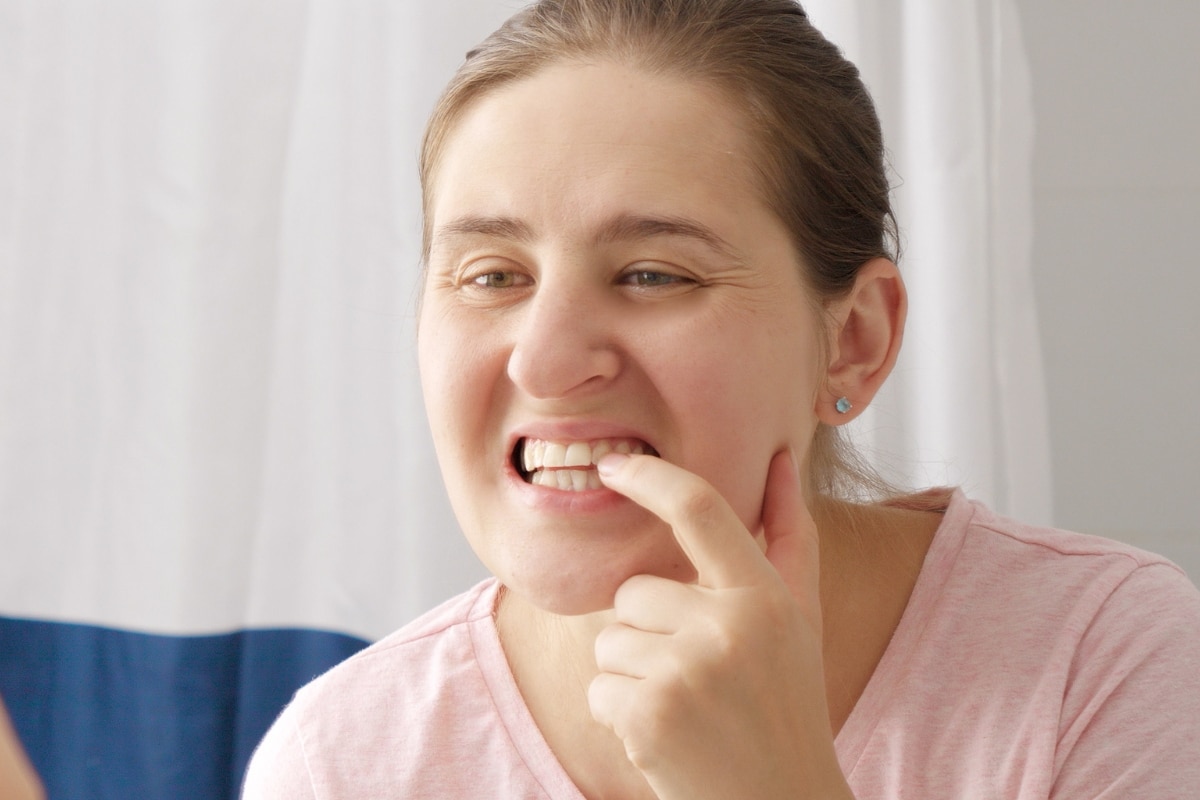
Your gums bleed a little when you brush. You notice it, you move on, and life in New Lenox goes on. Between the morning school run, a trail ride along the Old Plank Road Trail, and everything in between, a little gum sensitivity feels like the least of your problems. But here is the part that most people never see coming: that small bleed is not harmless. It is your body sending out an early warning signal. Ignore it long enough, and you will not just lose your gums. You will lose the bone underneath your teeth, and once that bone is gone, it does not come back on its own. If you have been avoiding that warning sign, this insight from a dentist in New Lenox is exactly what you need to read right now.
Why Do Your Gums Start Bleeding In The First Place?
Bleeding gums are the earliest sign of gingivitis, the first and still-reversible stage of periodontal disease. When plaque builds up along the gumline and is not cleaned away consistently, bacteria begin to irritate the soft tissue surrounding your teeth. The gums respond by becoming inflamed, tender, and prone to bleeding.
At this stage, the damage has not yet reached the bone. With professional cleaning and improved home care, gingivitis can be fully reversed. The issue is that most people either do not recognize the signs or assume the condition is normal. It is not. And dismissing it is where the real trouble begins.
What Is The Connection Between Gum Disease And Bone Loss?
Most people think of periodontal disease as a gum problem. That is only half the story.
Your teeth are not held in place by gums alone. They are anchored by the jawbone beneath them, and that bone is protected by a tight seal of healthy gum tissue. When bacterial plaque builds up along the gumline and is not consistently removed, it triggers inflammation in the gums. That inflammation is your immune system fighting back.
So far, this is still reversible.
But when the inflammation is left untreated, the bacteria do not stay at the surface. They migrate below the gumline, into the small space between your gums and tooth roots. Your immune system responds by releasing enzymes to fight the infection.
Here is the critical part: those same enzymes that attack bacteria also begin breaking down the connective tissue and bone surrounding the tooth. Your body, in trying to fight the infection, ends up destroying the very structure that holds your teeth in place.
This is the direct biological link between periodontal disease and jawbone deterioration. One does not just follow the other. One causes the other.
What Happens When Gingivitis Goes Untreated?
When gingivitis is left untreated, it progresses to periodontitis, the more serious form of the condition. This is where the consequences stop being merely cosmetic and become structural.
Here is what happens during this stage:
- Pocket formation: The gums begin to pull away from the teeth, forming deep spaces between the gum and the tooth root. These pockets collect bacteria that brushing and flossing cannot reach.
- Tissue destruction: The connective tissue that holds your teeth in place starts to break down. This is not a slow, painless process that you will notice day to day. It happens silently.
- Bone resorption: The jawbone that anchors your teeth begins to deteriorate. Once this starts, it cannot be undone through brushing alone. Professional intervention is required.
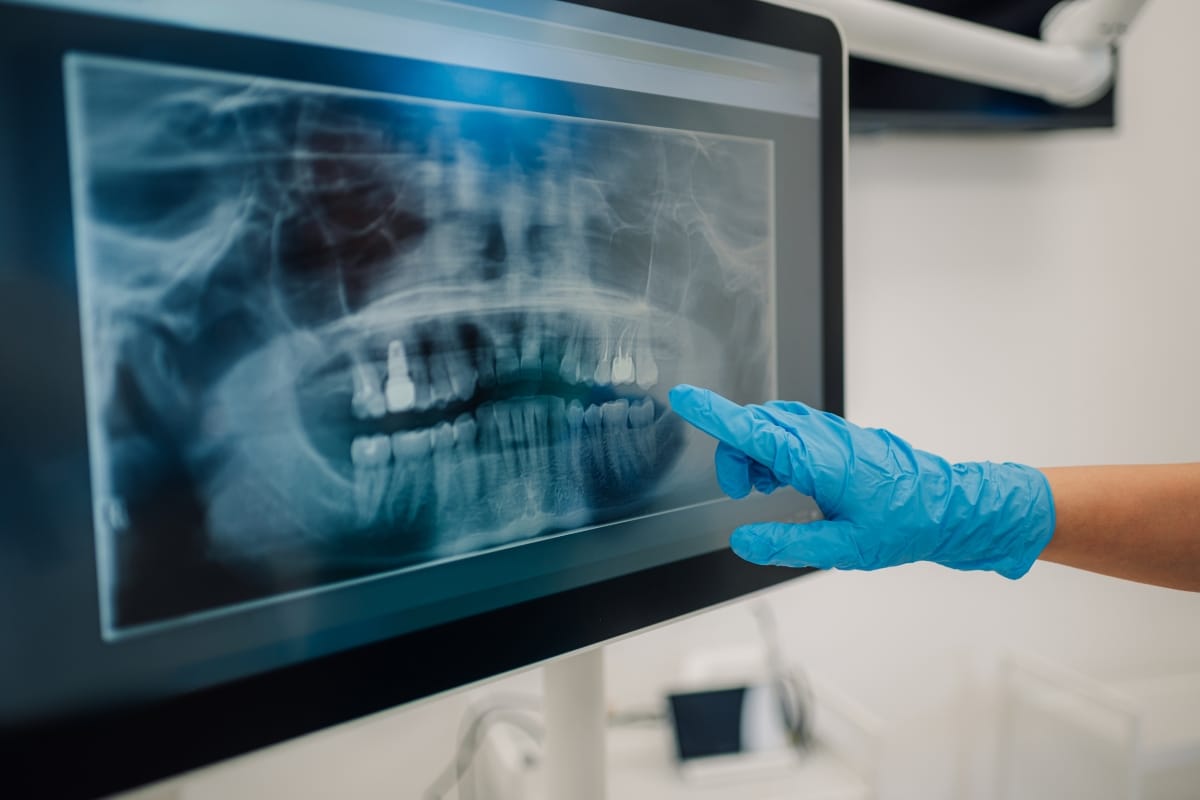
A trusted dentist in New Lenox will assess pocket depth, bleeding points, and bone levels at every checkup. These measurements tell the real story of what is happening beneath the surface.
Does Bone Loss Actually Affect How Your Face Looks?
Yes, and this is the part most patients are not told until the damage is significant. As jawbone density decreases, the structural support beneath your cheeks and around your mouth begins to shift. The face can appear slightly sunken around the mouth. The lips may appear thinner. You can look noticeably older than your actual age, not because of wrinkles, but because of lost bone volume.
This is a consequence of advanced periodontal disease that goes untreated for years.
Is Bone Loss From Periodontal Disease Permanent?
This is one of the most important facts to understand. A lost jawbone due to periodontal disease will not grow back on its own. However, when treatment begins early, further deterioration can be stopped, and in some cases, bone regeneration procedures can help rebuild what was lost.
However, the window for the least invasive and most affordable treatment closes as the disease advances. The earlier you act, the more options you have and the less complex the path forward becomes.
What Are the Systemic Health Risks You Are Not Hearing About?
This is where the condition goes beyond your mouth. The bacteria responsible for advanced gum infection do not stay contained to your gums. They enter the bloodstream through affected tissue and have been linked to:
- Heart disease: Inflammation caused by oral bacteria has been connected to increased cardiovascular risk in multiple studies.
- Diabetes complications: Gum infection makes blood sugar harder to control, and poorly managed diabetes makes gum infections progress faster. It is a two-way relationship.
- Pregnancy risks: Research has linked untreated periodontal disease to preterm birth and low birth weight.
- Respiratory issues: Bacteria from the mouth can be aspirated into the lungs, contributing to conditions like pneumonia.
This connection between oral health and full-body health is why a dentist in New Lenox who takes a whole-health approach does not treat gum infections in isolation. Your mouth is a window into your overall wellbeing.
Who Is Most At Risk?
New Lenox is a community that takes pride in an active, family-centered lifestyle. From youth sports at the Crossroads Sports Complex to summer farmers markets at the Commons, residents here stay busy. But that active lifestyle also means dental appointments are the first thing to get pushed back when schedules get tight.
Add to that the cold Midwest winters, which tend to keep people indoors, eating more processed and starchy foods that feed the bacteria responsible for plaque buildup. Seasonal habits matter more than most realize for gum health.
Risk factors that are particularly common and worth knowing include:
- Smoking: Tobacco use dramatically slows healing and masks the early signs of gum inflammation, making the disease harder to catch in its reversible stage.
- Genetics: If a parent lost teeth to periodontal disease, your risk is significantly higher than average.
- Stress: Chronic stress weakens the immune response, making it harder for your body to fight oral bacterial infections.
- Hormonal changes: Pregnancy, menopause, and puberty all increase gum sensitivity and susceptibility to infection.
- Dry mouth: Many common medications reduce saliva, which is your mouth’s natural defense against bacteria.
What Does Treatment Look Like Once Bone Loss Has Started?
Stage One: Gingivitis
Treatment at this stage is non-surgical, straightforward, and effective. A professional cleaning removes hardened tartar from above and below the gumline. An oral care provider in New Lenox will recommend an improved brushing and flossing routine, and in some cases, an antimicrobial rinse. With consistent care, this stage is fully reversible.
Stage Two: Periodontitis
A deep cleaning procedure called scaling and root planing is typically recommended. This goes below the gumline to remove bacteria from root surfaces and smooth the tooth root to discourage future bacterial attachment. Multiple visits are usually required. Antibiotic therapy may be added to support healing.
Stage Three: Advanced Periodontitis
At this stage, surgical intervention is often necessary. Options include pocket reduction surgery, soft tissue grafting, bone grafting, and guided tissue regeneration. These procedures can stop further damage and, in some cases, restore lost structure. Recovery takes time, but the alternative is tooth loss.
Are Your Gums Bleeding, Too? Book Now For An Appointment
Here is what this comes down to: the longer you wait, the fewer options you have, the higher the cost, and the harder the recovery. What starts as a treatable gum infection quietly becomes a structural problem affecting your teeth, jaw, face, and overall health. That is not a scare tactic. That is the documented progression of a disease that affects over 47.2% of American adults over age 30.
What starts as bleeding gums becomes pocket formation. Pocket formation becomes bone resorption. Bone resorption causes loose teeth. Loose teeth become tooth loss. And tooth loss becomes a far longer, expensive restorative journey than any of the earlier stages required.
At Nelson Ridge Family Dental in New Lenox, the focus is on catching oral issues before they reach the point where bone is already compromised. With a dedicated dentist in New Lenox and a team that genuinely understands the connection between your oral health and your quality of life, you will get a clear picture of where you stand and a concrete plan to protect your smile. Book your periodontal evaluation today and stop letting a preventable condition quietly take more than it already has.
Frequently Asked Questions (FAQs)
Can you have significant bone loss with no symptoms?
Yes. This is one of the most important things to understand about gum infection. Bone loss often occurs without pain, noticeable mobility issues, or visible gum changes until it is already advanced. Regular professional evaluations are the only reliable way to catch it early.
How quickly does bone loss progress once it starts?
The rate varies based on genetics, immune response, and systemic health. In some patients, it is slow. In others, particularly smokers or those with uncontrolled diabetes, it can be aggressive and rapid.
Is bone loss always connected to gum disease?
Periodontal disease is the most common cause of jawbone loss in adults. Other contributors include tooth loss left unaddressed, trauma, and certain medical conditions. But in the vast majority of cases, if bone loss is present, active or previously untreated gum infection is the driving force.]
Can bone loss be reversed once it starts?
Bone loss caused by periodontal disease cannot be fully reversed. However, treatments such as bone grafting can help restore lost bone and prevent further deterioration, thereby improving long-term oral health.
What are the early signs of bone loss in the jaw?
Early signs of bone loss include gum recession, loose teeth, and changes in how your teeth fit together when biting. Regular oral checkups are crucial for detecting these issues before they become severe.