820 W Laraway Rd, New Lenox, IL 60451
Can You Avoid Tooth Loss in Advanced Gum Disease? Prevention Tips Explained

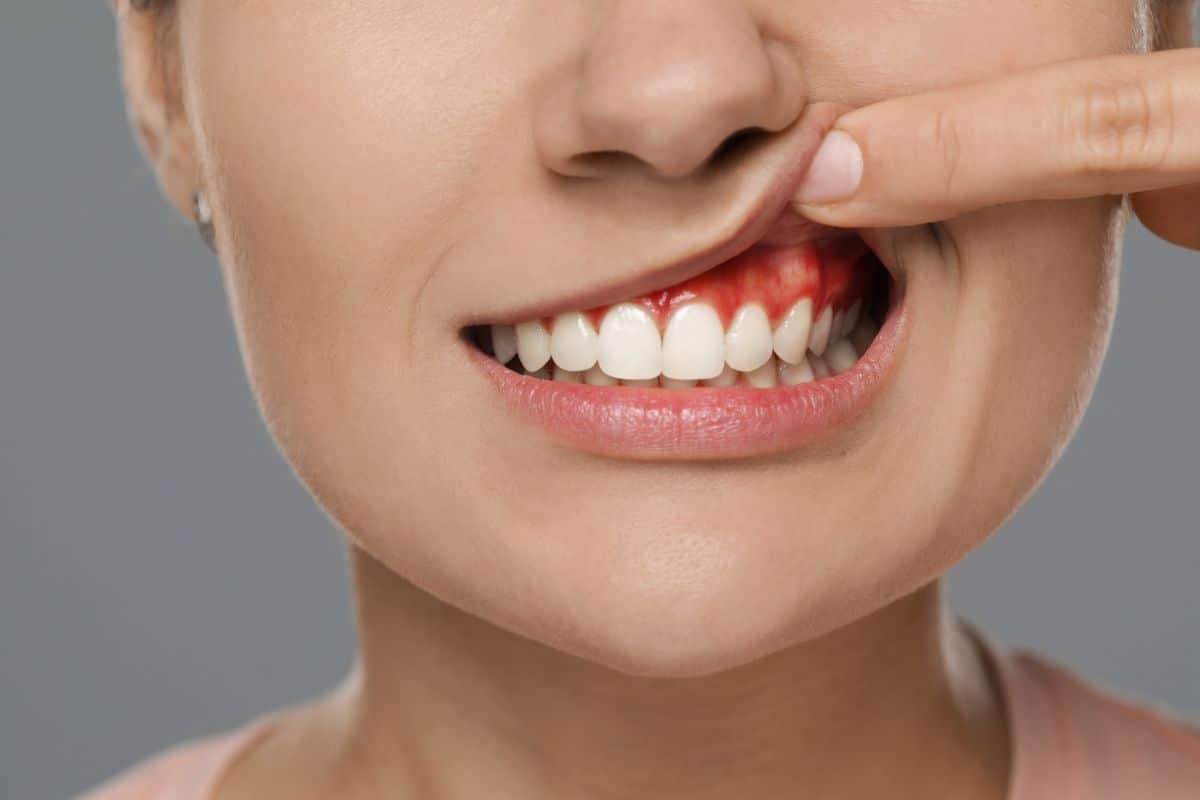
Gum disease, especially in its advanced stage—periodontitis—can pose a serious threat to your oral health. One of the most devastating outcomes of untreated gum disease is tooth loss. But is tooth loss inevitable when gum disease has progressed this far? The good news is that, with timely intervention and proper care, it’s often possible to avoid tooth loss even in advanced gum disease. In this blog, we’ll explain how.
Understanding Advanced Gum Disease and the Role of a Dentist
Advanced gum disease, or periodontitis, is a chronic infection that damages the soft tissue and bone supporting the teeth. Over time, the gums recede, pockets form around the teeth, and bone loss occurs. Left untreated, this condition can cause teeth to loosen and eventually fall out.
Working closely with a skilled dentist in New Lenox is essential for diagnosing and managing gum disease before irreversible damage occurs. Periodontists and general dentists can assess the extent of bone loss, recommend targeted treatments, and develop a plan to preserve your natural teeth.
Warning Signs That Your Teeth May Be at Risk
To avoid tooth loss, early detection is key. If you notice any of the following symptoms, it’s time to seek professional help immediately:
- Persistent bad breath
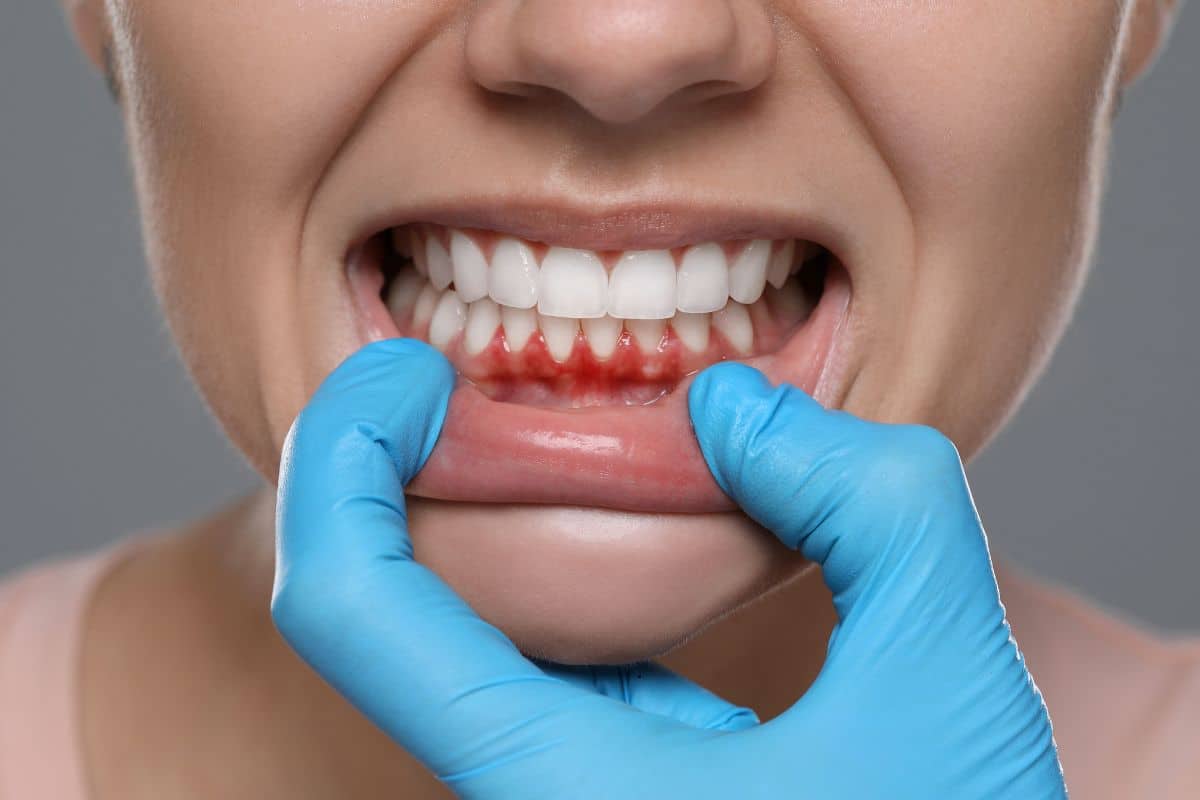
- Bleeding or swollen gums
- Receding gum lines
- Loose or shifting teeth
- Pain when chewing
These symptoms indicate that the gum disease has progressed and may already be affecting the structures that support your teeth.
Can Tooth Loss Be Prevented in Periodontitis?
Yes, in many cases, tooth loss can be prevented—even in the advanced stages of gum disease. Prevention at this stage is focused on stopping the progression of the disease and stabilizing the gums and bone around the teeth.
Key strategies include:
- Deep Cleaning (Scaling and Root Planing): This procedure removes tartar and bacteria from deep pockets around the teeth and below the gum line.
- Antibiotic Therapy: Local or systemic antibiotics may be prescribed to eliminate infection-causing bacteria.
- Surgical Treatments: In more severe cases, flap surgery or bone grafting may be necessary to reduce pocket depth and regenerate lost bone.
- Regular Maintenance Visits: After initial treatment, consistent follow-up care is crucial. Most patients benefit from periodontal maintenance cleanings every 3–4 months.
At-Home Habits That Support Gum Health
Preventing tooth loss also involves what you do daily at home. Incorporating strong oral hygiene habits into your routine can slow or stop the progression of gum disease:
- Brush twice daily with a soft-bristle toothbrush
- Use fluoride toothpaste and antimicrobial mouthwash
- Floss daily to remove plaque between teeth
- Avoid smoking, as it increases gum disease risk
- Eat a balanced diet to support immune health and tissue repair
Advanced Care Means Better Outcomes
Modern dentistry offers several advanced treatments for periodontitis that weren’t available just a few decades ago. From laser gum therapy to guided tissue regeneration, there are more options than ever to treat gum disease while preserving your natural teeth.
Your dentist may also recommend splinting techniques to stabilize loose teeth or bone regeneration procedures to reverse bone loss. Each case is unique, so a customized approach is essential.
Don’t Wait Until It’s Too Late
Tooth loss doesn’t have to be the result of gum disease. By taking action at the right time, it’s often possible to control the infection and protect your teeth. The sooner you address the problem, the better your chances of keeping your natural smile intact.
If you’re experiencing signs of gum disease or are concerned about your oral health, don’t delay. Our experienced dental team is here to help you fight back against periodontitis and preserve your teeth. Book an appointment now and take the first step toward a healthier, stronger smile.