820 W Laraway Rd, New Lenox, IL 60451
Can Orthodontics Fix TMJ Disorders? Understanding the Connection


If you’ve ever experienced jaw pain, headaches, or a clicking sound when opening your mouth, you may have heard of TMJ—or more accurately, TMD, which stands for temporomandibular joint disorder. It’s a condition that affects the jaw joint and surrounding muscles, and it can significantly impact your daily comfort and quality of life.
While treatments like physical therapy, medication, and stress management are commonly recommended, many dentists and orthodontists are turning to orthodontic solutions as a long-term fix. But can orthodontics really correct TMJ disorders? Let’s explore the connection and what orthodontic treatment can (and can’t) do for TMD sufferers.
What Is TMJ/TMD?
The temporomandibular joints (TMJs) are located on either side of your head, connecting your jawbone to your skull. These joints allow you to speak, chew, yawn, and move your jaw in different directions.
When the TMJ doesn’t function properly, it can lead to TMD, a disorder that causes a range of uncomfortable symptoms, including:
- Jaw pain or soreness
- Clicking, popping, or locking of the jaw
- Headaches or earaches
- Facial pain
- Difficulty chewing or opening the mouth fully
TMD can be caused by several factors, including:
- Misaligned bite (malocclusion)
- Teeth grinding or clenching (bruxism)
- Jaw injuries
- Arthritis
- Stress-related tension in the jaw muscles
The Orthodontic Connection to TMD
So where does orthodontics come into play?
In many cases, TMD symptoms are linked to bite issues—specifically, how your teeth and jaws align. If your bite is misaligned, it can put strain on your jaw muscles and joints, leading to pain and dysfunction over time. That’s why orthodontists often evaluate patients with chronic jaw discomfort to see if misalignment might be a contributing factor.
Correcting these bite problems through orthodontic treatment may help relieve pressure on the TMJs and improve overall jaw function.
How Orthodontics May Help
- Correcting Malocclusion (Bad Bite)
When your teeth don’t come together properly, your jaw may shift or overcompensate, leading to joint stress. Braces or clear aligners like Invisalign can reposition the teeth and jaws, bringing them into better alignment and promoting a more balanced bite. This, in turn, may reduce TMJ strain. - Relieving Muscle Tension
Misaligned teeth can force the jaw into unnatural positions, which overworks the muscles around the joint. Orthodontic treatment can help reduce this tension, giving those muscles a break and leading to pain relief. - Improving Jaw Function
By guiding the jaw into a more optimal position, orthodontics can help improve movement and reduce jaw clicking, popping, or locking. Better alignment means less friction and fewer complications when opening and closing the mouth. - Preventing Teeth Grinding and Clenching
While orthodontics can’t always stop bruxism (teeth grinding), correcting the bite may reduce the urge to clench. Some orthodontists also recommend combining treatment with night guards to minimize damage and protect the jaw.
Limitations: Orthodontics Is Not a Cure-All
It’s important to note that not all TMJ disorders are caused by bite problems. In fact, many people with misaligned bites never develop TMD, and some with TMD have perfectly aligned teeth.
Orthodontics is not always the sole solution and may not work for everyone. That’s why a thorough evaluation by a dentist or TMJ specialist is essential. In some cases, orthodontics can be part of a larger treatment plan that includes:
- Physical therapy
- Splint therapy (bite guards)
- Stress management techniques
- Anti-inflammatory medication
What to Expect During an Orthodontic Evaluation for TMJ
If you’re considering orthodontic treatment to address TMJ symptoms, here’s what your appointment might include:
- A full review of your dental and medical history
- A bite analysis to examine how your teeth come together
- Digital X-rays or 3D imaging to evaluate jaw joints and alignment
- A discussion about your symptoms, lifestyle, and treatment goals
Based on this assessment, your orthodontist can recommend the most appropriate course of action—whether that’s braces, Invisalign, or a multidisciplinary approach involving other dental or medical professionals.
Common Orthodontic Treatments Used for TMD
- Traditional Braces
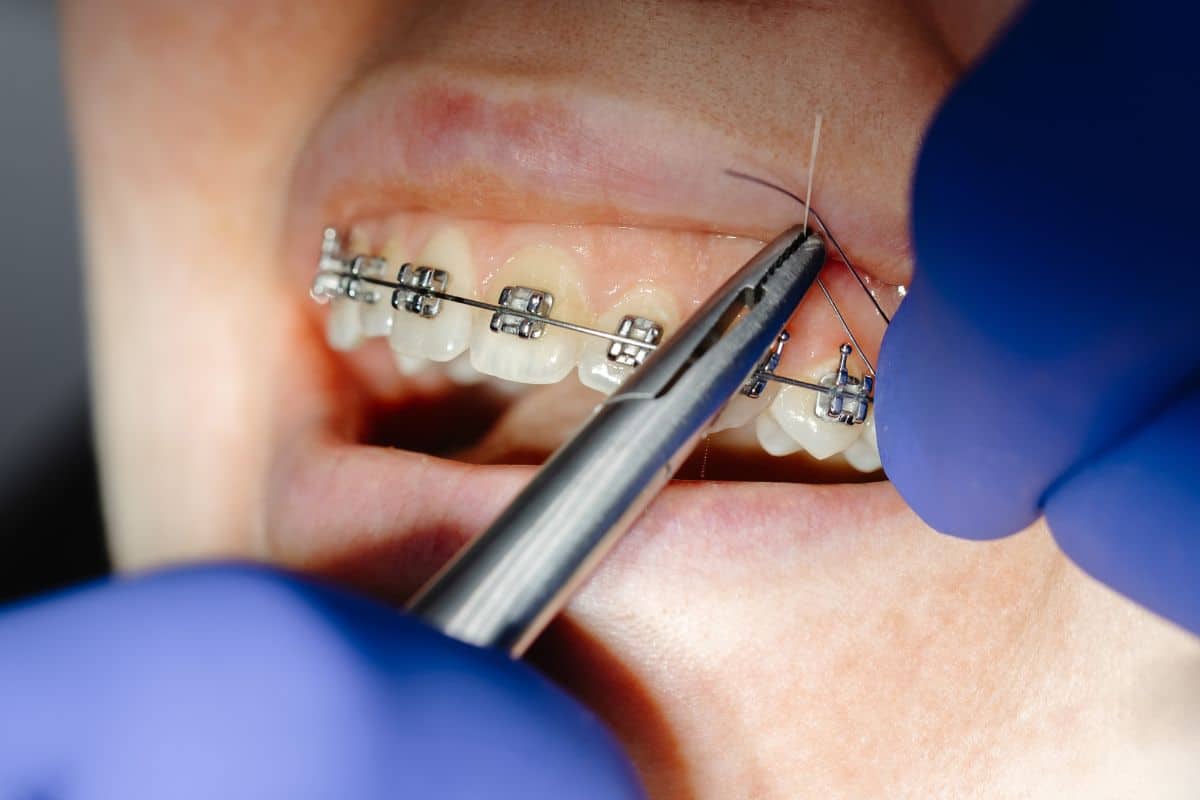
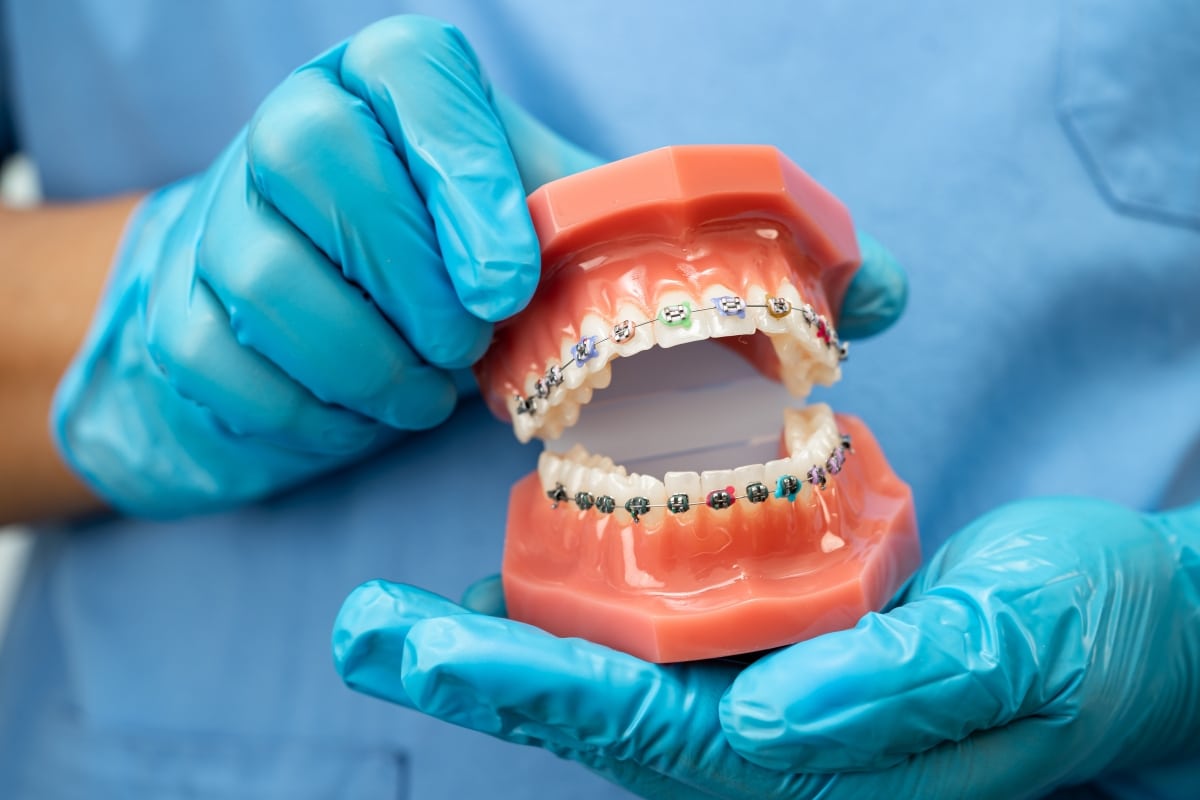
Metal or ceramic braces are often used to correct significant bite problems, including overbites, underbites, and crossbites. This realignment may take longer but provides strong, stable results. - Invisalign (Clear Aligners)
For adults and teens with mild to moderate misalignment, Invisalign offers a discreet, comfortable alternative to braces. The custom trays are removable, making them easier to manage for patients with TMD-related discomfort. - Jaw Expanders or Functional Appliances
In some cases, early intervention using expanders or functional appliances can help guide jaw growth in children or teens, potentially preventing future TMD issues.
When to Seek Help for TMJ Pain
You shouldn’t have to live with daily jaw pain or discomfort. If you’re experiencing any of the following symptoms, it’s time to talk to a dental professional:
- Persistent jaw soreness or facial pain
- Frequent headaches or earaches
- Difficulty chewing or speaking
- Clicking, popping, or locking in your jaw
- Signs of teeth grinding or jaw clenching
Early intervention is key. The longer TMJ issues go untreated, the more difficult they can be to resolve.
Orthodontics can be an effective solution for managing and even preventing TMJ disorders—especially when bite misalignment is at the root of the problem. While it’s not a one-size-fits-all cure, orthodontic treatment may significantly improve jaw function, relieve pain, and enhance your overall oral health.
If you’re struggling with jaw pain or bite issues, don’t wait. Book an appointment with your orthodontist or dentist today to find out if orthodontics can help restore balance and comfort to your smile.