820 W Laraway Rd, New Lenox, IL 60451
Common Orthodontic Issues and How They’re Corrected


A straight, healthy smile doesn’t just look great—it plays a vital role in your overall oral health and functionality. Orthodontic issues such as misaligned teeth, crowding, bite problems, and jaw discrepancies can lead to complications like tooth decay, gum disease, TMJ disorders, and difficulty chewing or speaking. Fortunately, modern orthodontics offers effective solutions for a wide range of dental alignment problems.
In this blog, we’ll explore the most common orthodontic issues and how today’s orthodontic treatments help correct them—giving patients of all ages healthier, more confident smiles.
1. Crowded Teeth
What it is:
Crowding happens when there isn’t enough space in the jaw for teeth to align properly. As a result, teeth may overlap, twist, or get pushed forward or backward.
Causes:
- Genetics (small jaw or large teeth)
- Early loss of baby teeth
- Improper eruption of permanent teeth
How it’s corrected:
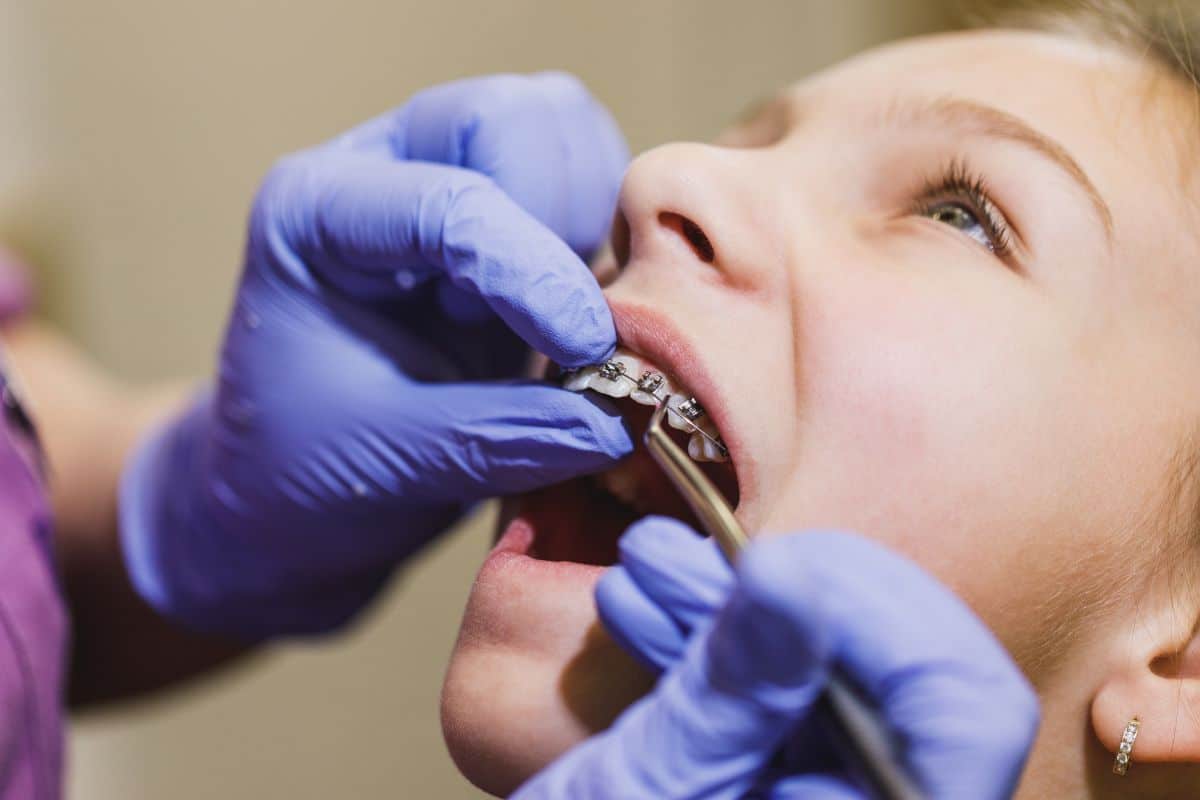
Braces or clear aligners (like Invisalign) are commonly used to gently shift teeth into better alignment. In severe cases, tooth extraction may be needed to create space. Arch expansion may also be used for younger patients to widen the jaw and prevent crowding in the future.
2. Spacing or Gaps Between Teeth
What it is:
Also known as diastema, spacing occurs when there are visible gaps between two or more teeth. This is especially common between the upper front teeth.
Causes:
- Genetics (small teeth, large jaws)
- Thumb sucking or tongue thrusting habits
- Missing teeth or abnormal frenum (the tissue between the upper front teeth)
How it’s corrected:
Orthodontic treatment using braces or clear aligners can gradually close these gaps. In some cases, a frenectomy (removal or repositioning of the frenum) may be necessary. Cosmetic bonding or veneers may also be used after orthodontic treatment to enhance appearance.
3. Overbite (Deep Bite)
What it is:
An overbite refers to the vertical overlap of the upper front teeth over the lower front teeth. A severe overbite, or deep bite, can cause lower teeth to bite into the roof of the mouth.
Causes:
- Genetics
- Thumb sucking or prolonged pacifier use
- Poor oral habits during childhood
How it’s corrected:
Orthodontists use braces, aligners, bite plates, or rubber bands to adjust the position of teeth and the jaw. In some cases, a combination of braces and jaw surgery may be needed if the skeletal discrepancy is significant.
4. Underbite
What it is:
An underbite occurs when the lower front teeth sit in front of the upper front teeth when the mouth is closed. This misalignment can cause difficulty with chewing and speaking, and may affect facial appearance.
Causes:
- Genetics
- Disproportionate jaw growth
- Missing upper teeth
How it’s corrected:
Mild to moderate underbites can be treated with braces, clear aligners, and elastics. In more severe cases, especially in adults, orthognathic (jaw) surgery may be required in combination with orthodontic treatment.
5. Crossbite
What it is:
A crossbite is when some upper teeth sit inside the lower teeth instead of outside when the mouth is closed. It can affect the front teeth, back teeth, or both.
Causes:
- Abnormal tooth eruption
- Delayed loss of baby teeth
- Jaw misalignment
How it’s corrected:
Crossbites are commonly treated using palatal expanders to widen the upper jaw, followed by braces or aligners to properly align the teeth. Early intervention during childhood can be particularly effective.
6. Open Bite
What it is:
An open bite is a condition where the upper and lower front teeth do not touch when the mouth is closed, leaving a noticeable space.
Causes:
- Thumb sucking
- Tongue thrusting
- Genetic factors or skeletal issues
How it’s corrected:
Orthodontic appliances like braces or clear aligners are used to bring the teeth together. Myofunctional therapy (to retrain oral muscles) or surgery may be needed in severe cases involving jaw discrepancies.
7. Impacted Teeth
What it is:
Impacted teeth are teeth that fail to erupt through the gums correctly. Wisdom teeth are often impacted, but it can also happen to canines or premolars.
Causes:
- Crowding
- Unusual tooth angle
- Lack of space in the jaw
How it’s corrected:
Orthodontic treatment can guide impacted teeth into the correct position using braces and sometimes a small surgical procedure to expose the tooth and attach a bracket. Early detection is key for successful treatment.
8. Jaw Misalignment and Skeletal Issues
What it is:
In some cases, the problem isn’t just the teeth but also the jaw structure. Jaw misalignment can lead to chronic TMJ pain, facial asymmetry, difficulty chewing, and speech problems.
Causes:
- Genetics
- Trauma
- Developmental issues
How it’s corrected:
For children and teens, functional appliances like headgear or Herbst appliances can help guide jaw growth. In adults, corrective jaw surgery may be required alongside braces or aligners to achieve ideal alignment.
Treatment Options for Orthodontic Issues
Orthodontists today have access to advanced technologies and tools to treat alignment problems more efficiently and discreetly than ever before. Common treatment options include:
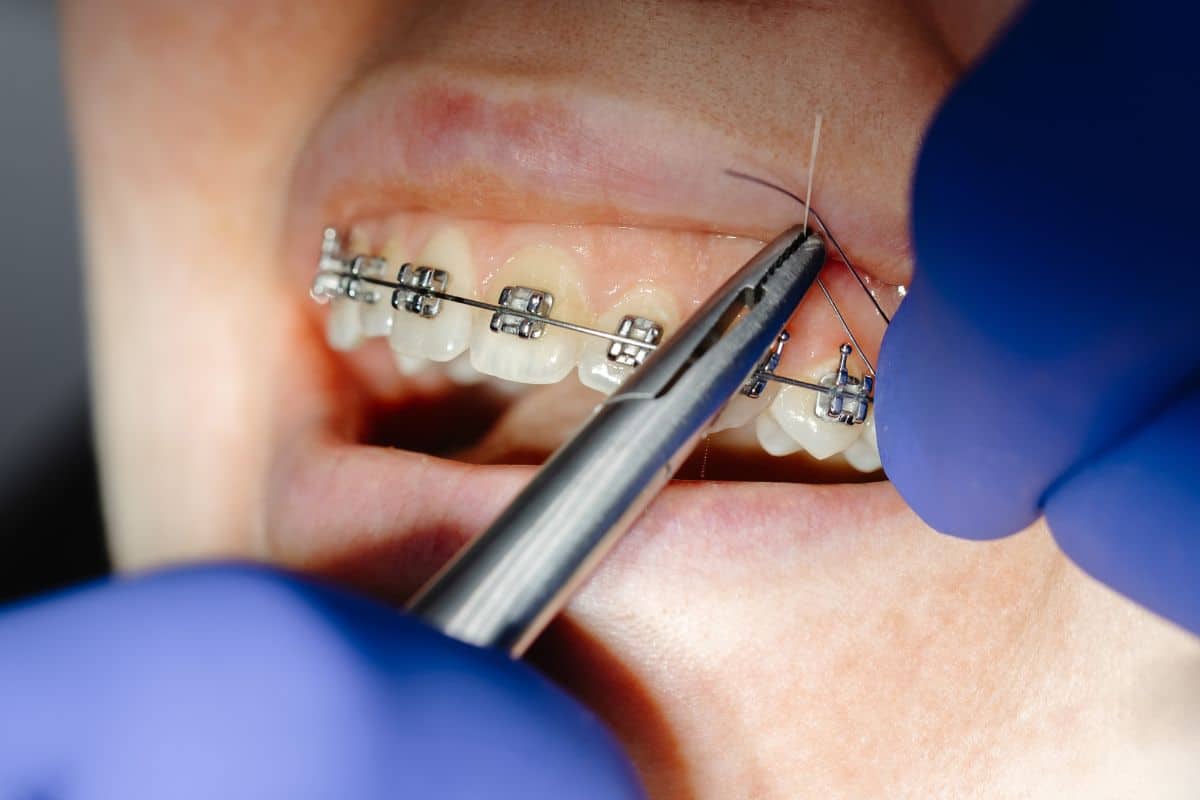
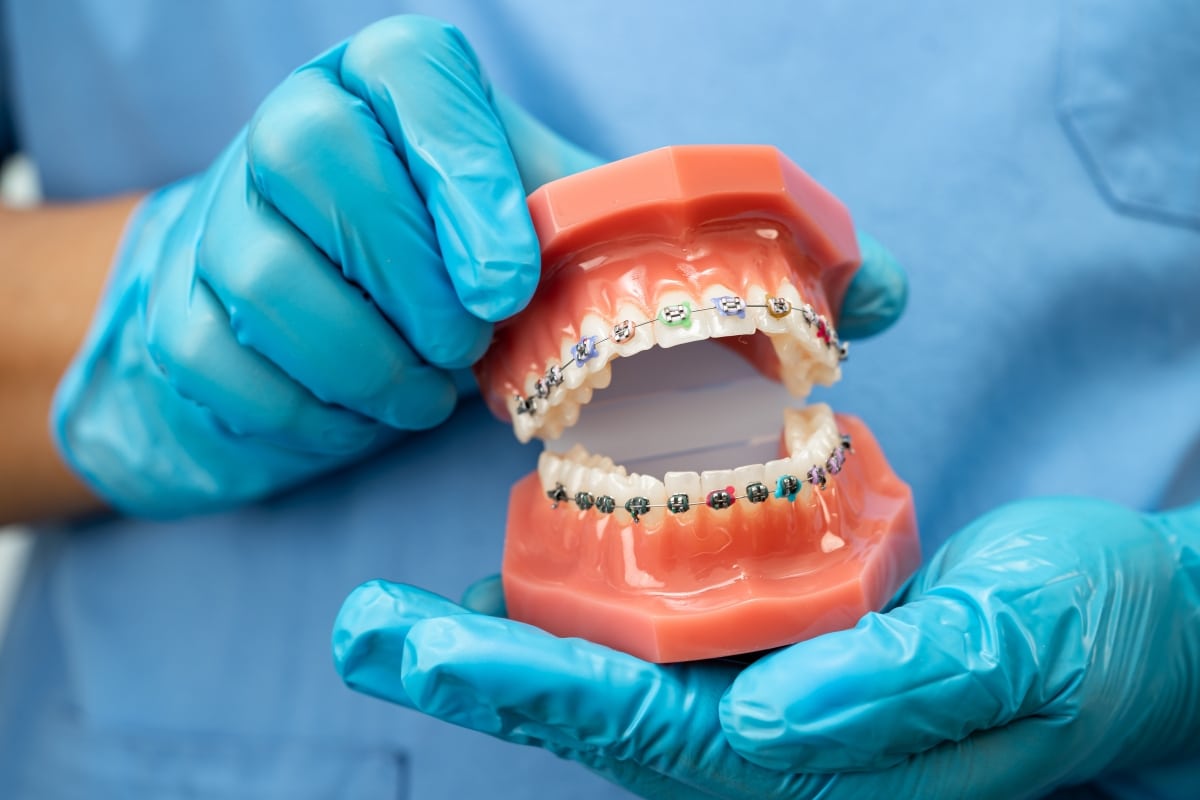
- Traditional Braces: Metal or ceramic brackets and wires are used to gradually move teeth.
- Clear Aligners (Invisalign): Removable, nearly invisible trays that fit over teeth.
- Lingual Braces: Braces placed behind the teeth, hidden from view.
- Expanders & Retainers: Appliances used to guide jaw development or maintain alignment after treatment.
- Surgical Orthodontics: Used for severe skeletal discrepancies in adults.
Your orthodontist will evaluate your condition and recommend a customized treatment plan that suits your age, lifestyle, and goals.
Why Early Diagnosis Matters
Many orthodontic issues can be detected as early as age 7, which is why the American Association of Orthodontists recommends that children see an orthodontist by this age. Early intervention can prevent more serious problems from developing later and may reduce the need for surgery or extractions.
However, it’s never too late for orthodontic treatment—adults can also benefit significantly from braces or aligners, especially with modern, discreet treatment options.
Achieve a Healthier Smile with Expert Orthodontic Care
From crowded teeth to jaw misalignments, orthodontic issues are common, but they don’t have to be permanent. With today’s innovative treatment options, patients of all ages can achieve straighter, healthier smiles that function properly and look fantastic. If you or your child is experiencing signs of orthodontic problems, early evaluation is the key to successful treatment.
Book an appointment now with your local orthodontic expert to take the first step toward a confident, comfortable smile.