820 W Laraway Rd, New Lenox, IL 60451
Gum Disease: Signs, Symptoms, and At-Home Treatment


Periodontal disease, another name for gum disease, is a widespread yet frequently disregarded oral health problem that affects millions of individuals globally. If treatment is not received, this progressive illness may result in serious problems. However, it may be efficiently treated with the right knowledge and preventive steps. We’ll examine periodontal disease symptoms, signs, and at-home treatment methods in this blog.
What is gum disease?
Gum disease is an infection that affects the tissues that surround and support your teeth. It is usually brought on by bad oral hygiene, which permits plaque—a sticky bacterial film—to accumulate on your teeth. This plaque eventually turns into tartar, which causes gum inflammation and infection. Periodontal disease can worsen if neglected, resulting in irreparable damage to the gums and supporting bone structure.
Signs and Symptoms of Gum Disease
Recognizing the signs and symptoms of gum disease is crucial for early intervention and treatment. Here are some common indicators to watch out for:
- Bleeding gums: One of the earliest signs of periodontal disease is bleeding gums, especially during brushing or flossing. Healthy gums should not bleed easily, so if you notice blood on your toothbrush or floss, it could be a sign of gum inflammation (gingivitis).
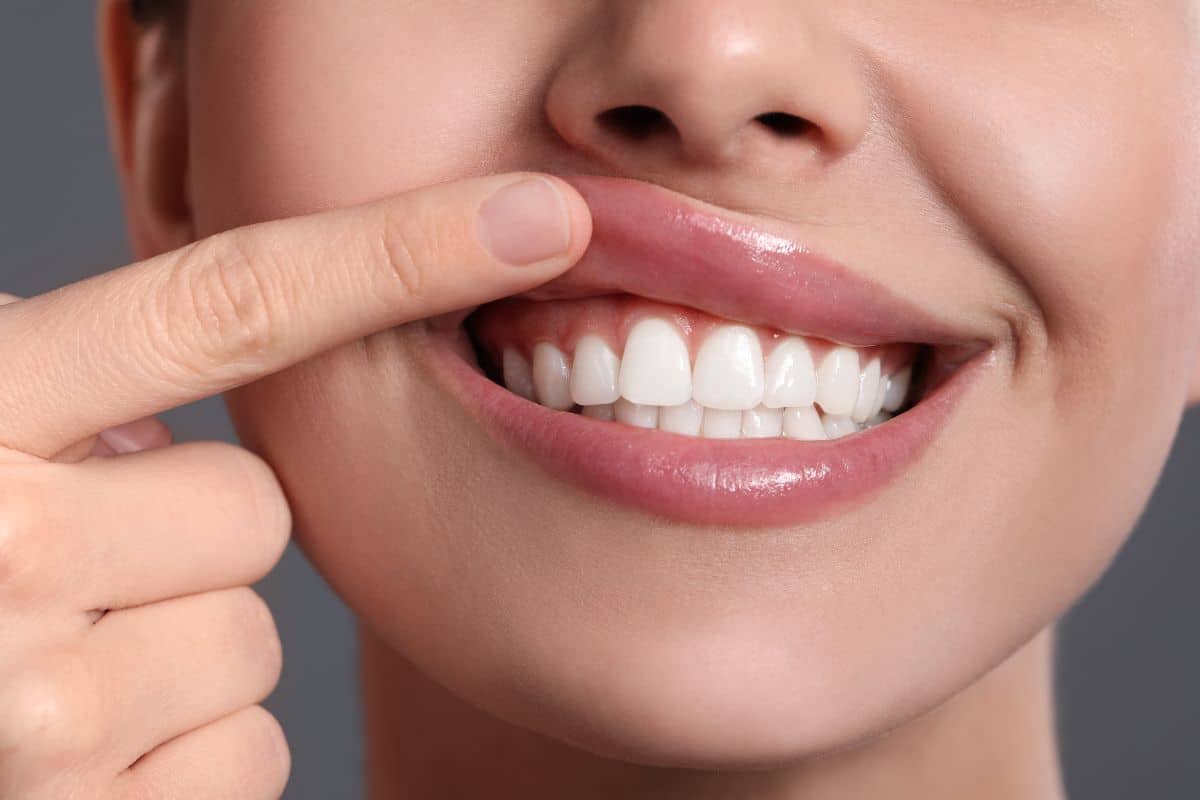
- Swollen or Tender Gums: Healthy gums should appear pink and firm. If your gums are swollen, red, or tender to the touch, it may indicate gum disease.
- Persistent Bad Breath: Bad breath (halitosis) is often associated with gum disease due to the presence of bacteria in the mouth. Even with regular brushing and mouthwash use, bad breath may persist if periodontal disease is present.
- Receding Gums: As gum disease progresses, the gums may begin to recede, pulling away from the teeth and exposing their roots. This can make teeth appear longer and lead to increased sensitivity.
- Loose or Shifting Teeth: Advanced periodontal disease can cause the supporting bone structure to deteriorate, leading to loose or shifting teeth. If you notice changes in your bite or the alignment of your teeth, it could be a sign of severe gum disease (periodontitis).
At-Home Treatment Options
While professional dental care is essential for managing gum disease, several at-home treatment options can help alleviate symptoms and promote gum health:
- Maintain Good Oral Hygiene: Brush your teeth at least twice a day with fluoride toothpaste and floss daily to remove plaque and bacteria from between your teeth and along the gumline.
- Use an Antimicrobial Mouthwash: Rinse with an antimicrobial mouthwash to help reduce bacteria and plaque in your mouth. Look for products that are specifically formulated for gum health.
- Healthy Diet: Eat a balanced diet rich in fruits, vegetables, lean proteins, and whole grains. Avoid sugary snacks and beverages, as they can contribute to plaque buildup and increase the risk of gum disease.
- Quit Smoking: Smoking is a significant risk factor for periodontal disease and can hinder the healing process. If you smoke, quitting can greatly improve your oral health and reduce the progression of periodontal disease.
- Stay Hydrated: Drink plenty of water throughout the day to help flush out bacteria and maintain saliva production, which plays a crucial role in protecting your teeth and gums.
- Apply Warm Compresses: If you experience gum tenderness or swelling, applying a warm compress to the affected area can help reduce discomfort and promote healing.
When to See a Dentist
While at-home care can help manage the symptoms of gum disease, it’s essential to see a dentist for a professional evaluation and treatment plan. If you experience any of the following symptoms, schedule an appointment with your dentist promptly:
- Persistent bleeding, swelling, or tenderness of the gums
- Receding gums or changes in the position of your teeth
- Chronic bad breath or a persistent bad taste in your mouth
- Pus around the gums or teeth
- Pain when chewing or sensitivity to hot or cold temperatures
Your dentist can assess the severity of your gum disease and recommend appropriate treatments, which may include professional cleanings, scaling and root planing, antibiotics, or surgical interventions in severe cases.
Gum disease is a common oral health problem that demands attention and proactive treatment. You may take charge of your dental health and lower your risk of periodontal disease complications by being aware of the symptoms, indicators, and at-home treatment choices discussed in this article. Keep in mind that maintaining optimal gum and tooth health requires regular professional dental treatment, healthy lifestyle choices, and proper oral hygiene.