
820 W Laraway Rd, New Lenox, IL 60451
Oral Hygiene During Pregnancy: What Expecting Mothers Need to Know

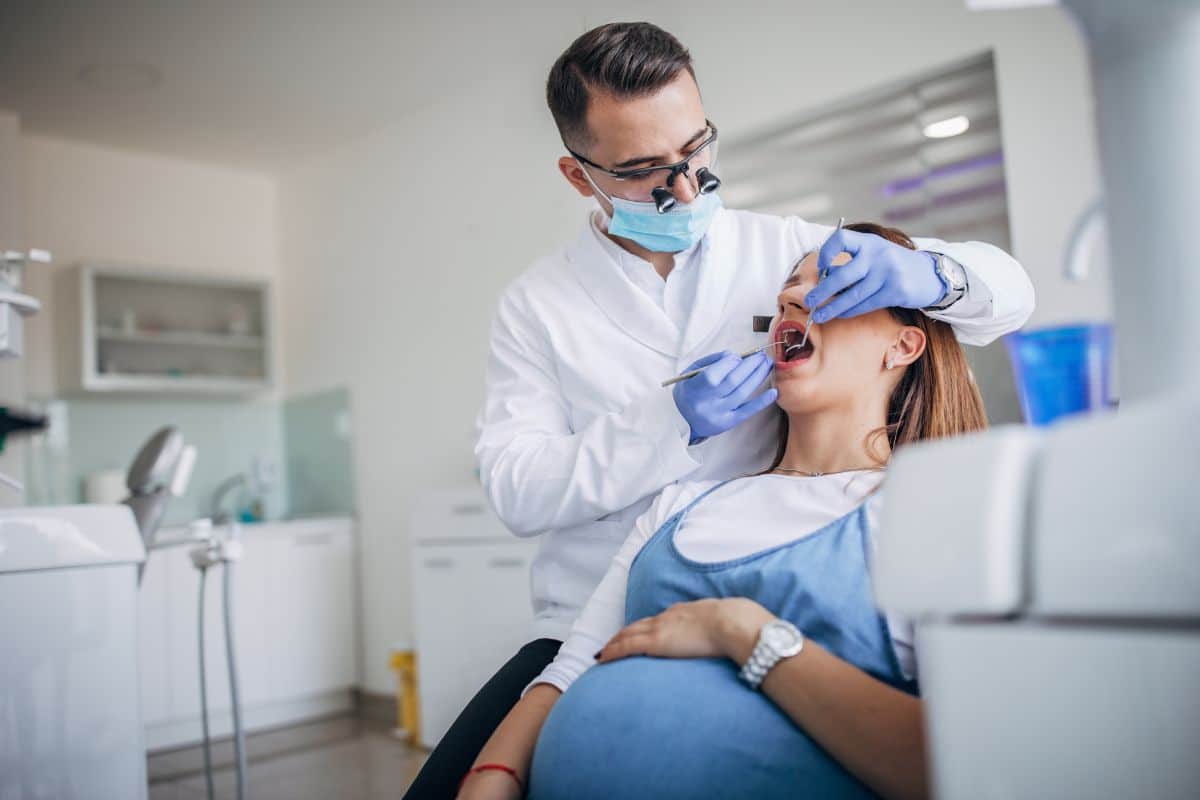
Pregnancy is a remarkable journey filled with changes—physical, emotional, and even dental. While most expecting mothers are vigilant about prenatal vitamins and regular checkups, oral hygiene during pregnancy often gets overlooked. However, maintaining good oral health is not only essential for the mother’s well-being but also for the baby’s health.
In this blog, we’ll explore why oral hygiene is especially important during pregnancy, the common dental issues expecting mothers may face, and practical tips for maintaining a healthy smile.
Why Oral Health Matters During Pregnancy
Hormonal fluctuations during pregnancy can affect your entire body—including your mouth. Rising levels of estrogen and progesterone can increase your risk of oral health problems such as gum disease and cavities. Additionally, poor oral hygiene has been linked to serious complications like premature birth, low birth weight, and preeclampsia.
Here’s how pregnancy affects oral health:
- Increased Blood Flow: Hormonal changes increase blood flow to your gums, making them more sensitive, swollen, and prone to bleeding.
- Lowered Immunity: Pregnancy can lower your immune response, making it harder for your body to fight off infections, including gum disease.
- Morning Sickness: Frequent vomiting can expose your teeth to stomach acid, leading to enamel erosion and sensitivity.
- Dietary Changes: Cravings and increased snacking—especially on sugary foods—can contribute to tooth decay.
Common Oral Health Issues During Pregnancy
1. Pregnancy Gingivitis
Pregnancy gingivitis affects up to 70% of pregnant women and usually develops between the second and eighth months. Symptoms include red, swollen, and bleeding gums. Left untreated, gingivitis can progress to periodontitis, a more severe form of gum disease that can lead to tooth loss.
2. Periodontal Disease
Advanced gum disease (periodontitis) is associated with an increased risk of adverse pregnancy outcomes, including preterm birth and low birth weight. Bacteria from the mouth can enter the bloodstream and affect the placenta, potentially triggering labor.
3. Pregnancy Tumors
Don’t be alarmed by the name—pregnancy tumors (pyogenic granulomas) are benign growths on the gums that occur in response to irritation or plaque. They typically appear during the second trimester and usually disappear after childbirth.
4. Tooth Decay
Changes in eating habits and morning sickness can increase the risk of cavities. The acid from vomiting or reflux can weaken enamel, and frequent snacking—especially on sugary foods—feeds decay-causing bacteria.
Oral Hygiene Tips for Expecting Mothers
Taking care of your teeth and gums during pregnancy is both safe and essential. Here are some simple yet effective oral hygiene practices to follow:
1. Brush Twice a Day
Use a soft-bristled toothbrush and fluoride toothpaste to brush your teeth for at least two minutes, twice a day. A soft brush is gentle on swollen gums and reduces irritation.
2. Floss Daily
Flossing removes plaque and food particles from between the teeth and below the gum line—areas that brushing can’t reach. Daily flossing helps prevent gingivitis and cavities.
3. Rinse After Vomiting
If you experience morning sickness, resist the urge to brush immediately after vomiting, as this can spread stomach acids over the enamel. Instead, rinse your mouth with a mixture of water and baking soda (1 tsp of baking soda in a cup of water) to neutralize acid before brushing 30 minutes later.
4. Stay Hydrated
Drink plenty of water to help wash away food particles and neutralize acids. Saliva production may decrease during pregnancy, and staying hydrated can combat dry mouth—a condition that increases cavity risk.
5. Eat a Balanced Diet
Limit sugary snacks and drinks, and opt for nutrient-rich foods like fruits, vegetables, lean proteins, and dairy products. Calcium, vitamin D, and phosphorus are essential for developing your baby’s teeth and bones.
6. Avoid Tobacco and Alcohol
Both tobacco and alcohol can harm your baby and increase the risk of oral health issues like gum disease and oral cancer.
7. Visit Your Dentist
Routine dental visits are safe during pregnancy—especially during the second trimester. Let your dentist know you’re pregnant so they can tailor your care. Regular cleanings and exams are crucial to maintaining good oral health and catching problems early.
Dental Treatments During Pregnancy: What’s Safe?
Many pregnant women worry about whether dental procedures are safe. The good news is that most routine dental treatments are safe and even encouraged during pregnancy.
Safe Procedures:
- Dental cleanings and exams
- X-rays with proper shielding
- Fillings and extractions (especially if needed to prevent infection)
- Local anesthesia (commonly used agents like lidocaine are safe)
Timing Matters:
- First Trimester: Most dentists avoid elective procedures due to the critical stage of fetal development.
- Second Trimester: This is considered the safest time for dental work.
- Third Trimester: Dental visits can be uncomfortable, as lying on your back may cause dizziness. Urgent procedures are still performed if necessary.
Medications: Your dentist may prescribe antibiotics or pain relievers if needed. Always consult with your OB-GYN and dentist before taking any medication during pregnancy.
Can Poor Oral Health Affect Your Baby?
Yes. Studies show that gum disease in pregnant women can be linked to premature birth, low birth weight, and other complications. The inflammation caused by periodontal disease may trigger systemic responses that affect fetal development.
Additionally, cavity-causing bacteria can be passed from mother to child through saliva. Ensuring a healthy mouth reduces the chances of early childhood cavities in your baby.
Postpartum Dental Care: Don’t Skip It
After your baby is born, it’s easy to put your own needs on the back burner. However, continuing good oral hygiene and visiting your dentist postpartum is important. Hormonal levels will gradually return to normal, but untreated dental issues can worsen and become more complicated.
If you experienced pregnancy gingivitis or had dental treatment deferred during pregnancy, schedule a follow-up appointment shortly after giving birth.
Oral hygiene during pregnancy isn’t just about protecting your smile—it’s a vital part of prenatal care. By understanding the changes your body goes through and taking preventive steps, you can keep your teeth and gums healthy and support your baby’s development.
Whether you’re in your first trimester or approaching your due date, don’t neglect your dental health. A healthy mom means a healthier baby—and that starts with a confident, clean smile.
Need Help With Your Oral Health During Pregnancy?
Contact your local dental provider to schedule a prenatal dental checkup and get personalized advice for your oral health journey.