820 W Laraway Rd, New Lenox, IL 60451
What to Expect After Getting Your Braces Removed: Retainers and Aftercare


Congratulations! Removing your braces is an exciting milestone on your journey to a confident, straight smile. However, the process doesn’t end here. Maintaining your results requires careful aftercare and dedication to wearing retainers. In this blog, we’ll walk you through what happens after braces are removed and how to keep your smile looking its best for years.
1. The Braces Removal Process
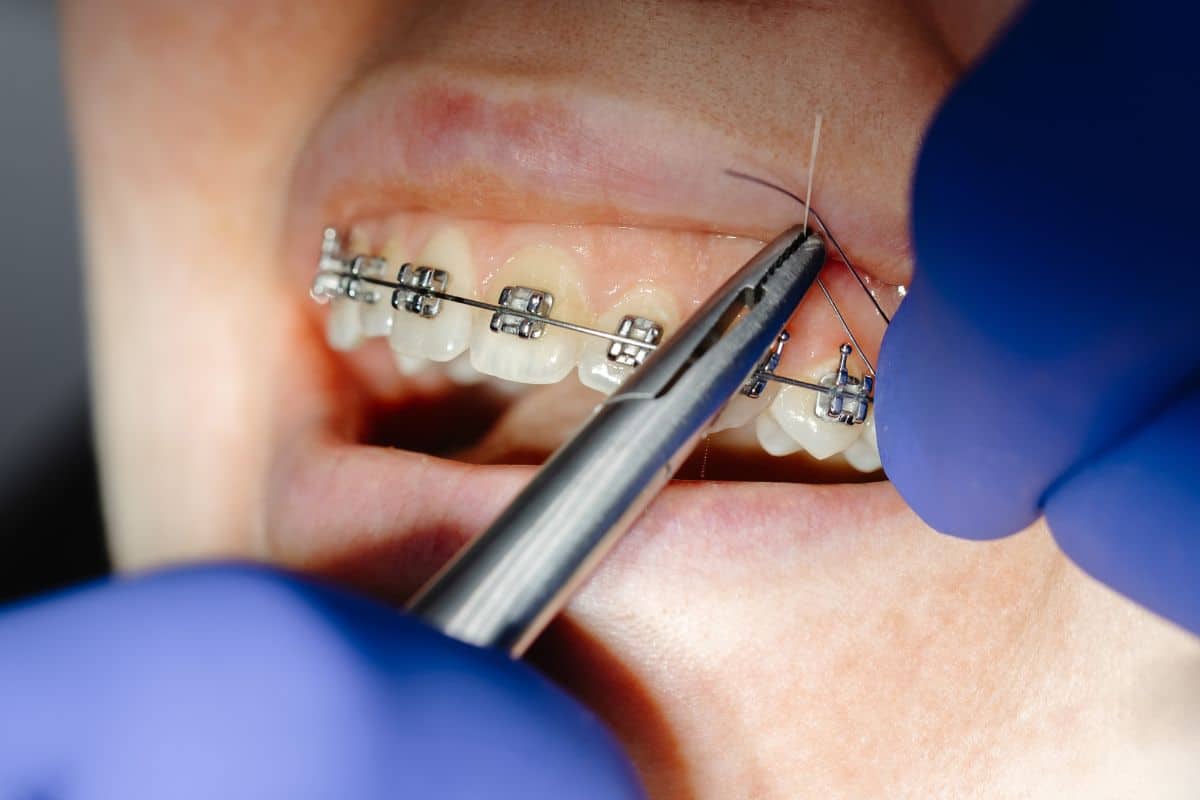
When your orthodontist decides it’s time to remove your traditional braces, the process is straightforward and painless. Using specialized tools, they’ll gently detach the brackets and wires from your teeth. Afterward, they’ll clean your teeth to remove any adhesive residue, revealing your newly aligned smile.
You might notice your teeth feel a little sensitive or strange after removal, but this is temporary and should resolve within a few days.
2. Why Retainers Are Essential
Teeth naturally shift over time, especially after orthodontic treatment. To prevent your teeth from moving back to their original positions, retainers are crucial. These devices hold your teeth in their new alignment while your gums, bone, and surrounding tissues adjust and stabilize.
There are two main types of retainers:
- Removable Retainers: Made of clear plastic or acrylic, these are easy to wear and clean.
- Fixed Retainers: A thin wire bonded to the back of your teeth, offering constant support.
Your orthodontist will recommend the type best suited to your needs.
3. How Often Should You Wear Your Retainer?
For the first few months after braces removal, you’ll likely need to wear your retainer full-time, except when eating or brushing your teeth. Over time, your orthodontist may allow you to transition to wearing it only at night. Consistency is key—neglecting your retainer can lead to unwanted tooth movement.
4. Caring for Your Retainer
Proper care of your retainer ensures its longevity and effectiveness. Here’s how to keep it in great shape:
- Clean It Daily: Use a soft toothbrush and mild soap or retainer cleaner. Avoid toothpaste, as it can scratch the material.
- Store It Safely: Always keep your retainer in its case when not in use to prevent damage or loss.
- Avoid Heat Exposure: Don’t leave your retainer in hot water, direct sunlight, or near heat sources, as it can warp.
5. Maintaining Good Oral Hygiene
After braces are removed, your teeth and gums may need extra attention.
- Brush and Floss Regularly: Remove plaque buildup to maintain a healthy smile.
- Consider Teeth Whitening: If you notice slight discoloration where the brackets are, your dentist can recommend whitening options.
- Visit Your Dentist: Schedule an appointment for a cleaning and checkup to ensure your teeth and gums are in top shape.
6. What to Expect in the Months After Removal
Initially, your teeth may feel slightly loose as they settle into their new positions. This is normal and should improve with consistent retainer use. Additionally, you may experience:
- Speech Adjustments: If you have a removable retainer, it may take a day or two to get used to speaking with it.
- Mild Discomfort: retainers may feel tight at first, but this should subside as your teeth adjust.
7. The Long-Term Benefits of Retainer Wear
While it might seem inconvenient at times, wearing your retainer is a small price to pay for a lifetime of benefits. Retainers ensure your teeth remain aligned, protecting the time, effort, and financial investment you made in orthodontic treatment.
Removing your braces is an exciting step, but it’s only the beginning of maintaining your perfect smile. By wearing your retainer as instructed, practicing good oral hygiene, and visiting your dentist regularly, you can enjoy the benefits of your new smile for years to come.
If you have questions about braces removal or retainer care, don’t hesitate to contact your orthodontist. They’re there to guide you every step of the way!