
820 W Laraway Rd, New Lenox, IL 60451
How Long Does It Take for Pain to Go Away After a Dental Bone Graft?

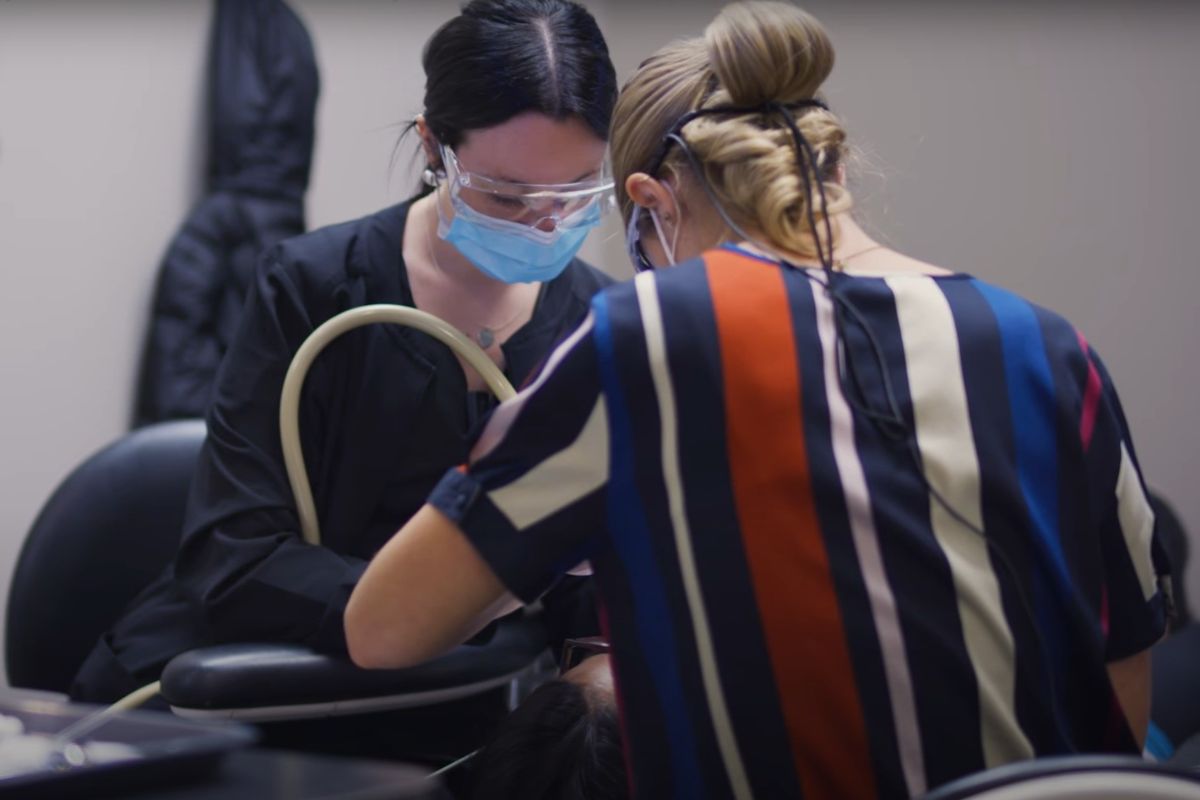
Dental bone grafting is a common procedure performed to build up the jawbone to support dental implants or other restorative treatments. If your dentist has recommended a bone graft, you may be wondering about the pain you’ll experience after the procedure and how long it will take to heal. In this blog, we’ll explore the typical pain timeline following a dental bone graft, factors that can affect recovery, and tips for managing discomfort.
What to Expect After a Dental Bone Graft
A dental bone graft involves placing a small amount of bone material (either synthetic or from a donor) into the area of the jaw that needs strengthening. Since this is a surgical procedure, some level of discomfort is expected during recovery. Here’s a general overview of the pain timeline after a bone graft:
- First 24-48 Hours
- During the first day or two after the procedure, you can expect moderate discomfort and swelling. This is when pain is typically at its peak.
- Your dentist will likely prescribe pain medication to manage discomfort during this period. It’s essential to follow their instructions closely.
- Days 3-5
- By the third to fifth day, the pain usually begins to decrease as your body starts to heal.
- You might still experience some swelling and minor discomfort, but it should be manageable with over-the-counter pain relievers like ibuprofen or acetaminophen.
- Bruising and stiffness around the jaw and cheek area are common but should gradually improve.
- 1-2 Weeks Post-Surgery
- Most patients find that pain significantly subsides within the first week. However, mild tenderness in the area might persist for up to two weeks.
- Your gums and surrounding tissues may still be sensitive, and you’ll likely need to stick to a soft diet.
- After Two Weeks
- By this time, most discomfort is gone, although the bone graft site will continue to heal internally over the next few months.
- Any lingering sensitivity should be minimal, and you can resume normal activities, although strenuous exercise may still be restricted.
Factors That Influence Recovery Time
Several factors can influence how long the pain lasts after a dental bone graft:
- Size of the Graft: A larger bone graft may take longer to heal and cause more discomfort.
- Location of the Graft: Grafts performed in areas with more tissue, such as the upper jaw, can sometimes lead to prolonged swelling or discomfort.
- Your Health: If you’re in good overall health, your body will typically heal faster than if you have underlying conditions that may slow recovery, such as diabetes or autoimmune disorders.
- Following Post-Op Care Instructions: Carefully following your dentist’s post-operative instructions—such as taking prescribed medications, keeping the area clean, and avoiding certain foods—can reduce the risk of complications and help you recover more quickly.
Bone Graft vs. Tooth Extraction — Which Hurts More?
It’s a common comparison, since many patients experience both procedures around the same time. In general:
- Tooth extractions tend to hurt more in the first 24–48 hours, since you’re removing a structure the body has to actively close over.
- Bone grafts often involve less initial sharp pain but can bring more prolonged low-level soreness and swelling, since the graft material needs time to integrate with your jawbone.
- When done together (extraction + graft in the same visit), recovery is generally a bit longer than either procedure alone — but most patients still describe it as manageable with standard pain medication, not severe.
Every patient’s experience varies based on the extent of the procedure and their individual healing response — your dentist can give you a more specific expectation based on your treatment plan.
How to Manage Pain After a Dental Bone Graft
Managing pain effectively is crucial for a smooth recovery. Here are some tips to alleviate discomfort after a dental bone graft:
- Use Cold Compresses: Applying an ice pack to the cheek near the graft site can help reduce swelling and numb the area during the first 48 hours.
- Follow Medication Guidelines: Take pain medication as prescribed by your dentist. If you were given antibiotics, be sure to complete the entire course to prevent infection.
- Stick to a Soft Diet: Eating soft foods such as yogurt, mashed potatoes, and soup can prevent irritation to the graft site. Avoid hard or crunchy foods that could disrupt the healing process.
- Rest: Give your body the time it needs to heal. Avoid strenuous activities or exercise during the initial recovery phase.
- Stay Hydrated: Drinking plenty of water can help the healing process. Just be sure to avoid using straws, as the suction can dislodge the graft material or blood clots.
When to Contact Your Dentist
A week or two following a bone graft is usual for discomfort, although some symptoms can point to problems. You ought to get in touch with your nearby dentist if you observe:
- Severe pain that does not improve with medication
- Prolonged or excessive swelling after the first week
- Pus, foul smell, or other signs of infection
- Fever or chills
These symptoms may indicate an infection or other complication that needs immediate attention.
The pain after a dental bone graft is usually temporary and manageable. Most patients find that discomfort peaks within the first few days and gradually subsides within one to two weeks. By following your dentist’s post-op care instructions and managing pain effectively, you can ensure a smooth and comfortable recovery. If you have any concerns during the healing process, don’t hesitate to reach out to your dentist for guidance.
Some discomfort is a normal part of healing after a bone graft — but you shouldn’t have to guess whether what you’re feeling is expected. If your pain feels more severe than described here, isn’t improving after the first week, or you notice swelling, fever, or an unusual taste or smell, call our New Lenox office at (815) 242-9594. We can take a look and make sure your graft site is healing the way it should.
Visit our dental office in New Lenox and get more insight into suitable dental procedures for transforming your oral health and taking a step forward towards achieving the smile of your dreams.
Frequently Asked Questions (FAQ)
Is it normal to still feel pain after 2 weeks?
Mild tenderness at the two-week mark can still be normal, especially if you’re touching or chewing near the site. But sharp, worsening, or throbbing pain at this stage isn’t typical and is worth a call to your dentist — it can be a sign the graft site needs to be checked.
What does a bone graft feel like when it’s healing correctly vs. incorrectly?
Normal healing feels like steadily decreasing pressure and tenderness each day, with swelling going down rather than up. Incorrect healing usually feels the opposite — pain that spikes again after day 3 or 4, a bad taste or odor, or swelling that keeps growing instead of shrinking. Any of those signs means it’s time to call your dentist rather than wait it out.
Can I take ibuprofen and Tylenol together after a bone graft?
Many dentists do recommend alternating ibuprofen and acetaminophen (Tylenol) for better pain control after oral surgery, since they work differently in the body. However, always follow your dentist’s specific instructions and dosing — don’t combine or alternate medications without their guidance, especially if you have other health conditions or medications.
When can I brush my teeth normally again?
You can usually resume gentle brushing of your other teeth the day after surgery, avoiding the graft site directly. Most dentists recommend waiting about 1–2 weeks before brushing directly over the graft area, and using a saltwater rinse instead in the meantime. Your dentist will give you a specific timeline based on your case.