820 W Laraway Rd, New Lenox, IL 60451
Eating And Diet Tips After Getting Dental Implants

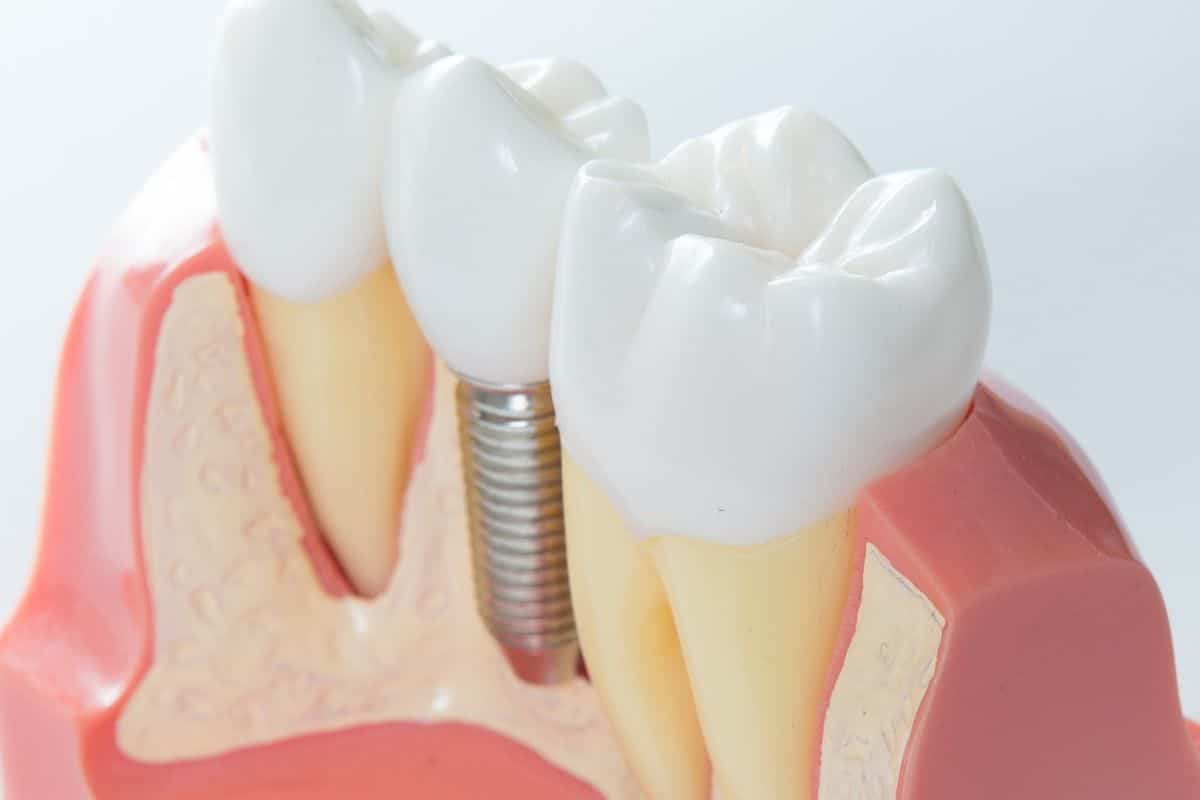
Dental implants are a fantastic solution for replacing missing teeth, offering a durable, natural-looking alternative to bridges and dentures. However, after undergoing the procedure, it’s essential to take care of your new implants to ensure proper healing and long-term success. One of the most important aspects of recovery is adjusting your diet to promote healing and protect your implants. In this blog, we’ll explore helpful eating and diet tips after getting dental implants to help you recover comfortably and ensure the longevity of your implants.
Why Diet Matters After Dental Implants
After receiving dental implants, the surrounding gum tissues and bone need time to heal and bond with the implant post through a process called osseointegration. Eating the wrong types of foods too soon can delay healing, cause discomfort, or even damage the implant site. Following a soft and nutritious diet can help you avoid complications and speed up your recovery.
1. Start with a Soft Food Diet
In the first few days after the dental implant procedure, it’s crucial to stick to soft foods that don’t require much chewing. Eating soft foods helps protect the surgical area, reduces discomfort, and prevents unnecessary pressure on the implants.
Soft food suggestions include:
- Mashed potatoes
- Yogurt
- Smoothies (without seeds or nuts)
- Scrambled eggs
- Applesauce
- Oatmeal
- Soups (make sure they’re lukewarm, not hot)
Avoid foods that are crunchy, hard, or sticky, as they can irritate the surgical site or even dislodge blood clots, leading to complications like dry sockets.
2. Avoid Hot and Spicy Foods
Right after your dental implant procedure, it’s important to avoid foods that are too hot or spicy. Hot foods can increase swelling and irritation, while spicy foods can cause discomfort in the healing gums.
Stick to lukewarm or cool foods for the first few days, and avoid overly spicy dishes until the implant site has healed more.
3. Incorporate Nutrient-Dense Foods
Nutrition plays a key role in the healing process, so it’s essential to include nutrient-rich foods in your diet. Your body needs vitamins and minerals to promote tissue repair and maintain overall health.
Here are some important nutrients to focus on:
- Protein: Promotes tissue healing and immune function. Soft protein sources include scrambled eggs, soft tofu, and protein-rich smoothies.
- Calcium: Supports bone healing. Incorporate calcium-rich foods like dairy products (milk, yogurt, cheese) or calcium-fortified plant-based alternatives.
- Vitamin C: Helps with tissue repair and strengthens the immune system. Include soft fruits like bananas or vitamin C-rich smoothies made with strawberries, kiwis, or oranges.
- Zinc: Assists in wound healing and boosts immune function. Eggs, soft seafood like salmon, and zinc-rich supplements can be helpful.
4. Stay Hydrated
Hydration is crucial during recovery. Drinking plenty of water helps flush out toxins and keeps your body functioning optimally for healing. It also prevents dry mouth, which can increase the risk of infection around the implant site.
Avoid caffeinated, carbonated, and sugary drinks, as they can irritate the gums and slow down the healing process. Stick to water or herbal teas for the best results.
5. Gradually Reintroduce Firmer Foods
Once you’ve passed the initial healing phase (usually about a week to 10 days), you can slowly start reintroducing firmer foods into your diet. However, it’s important to continue being cautious about what you eat. Chew on the opposite side of your mouth from where the implant is located, and cut food into small, bite-sized pieces to avoid putting too much pressure on the implant area.
Some firmer foods you can gradually add include:
- Soft-cooked vegetables
- Pasta
- Soft meats like chicken or fish
- Soft breads
It’s important to follow your dentist’s recommendations on when you can return to a more regular diet, as the timeline will depend on your healing progress.
6. Avoid Crunchy, Hard, and Sticky Foods
Even after the initial healing period, certain foods should be avoided to protect your dental implants and ensure they integrate properly with the bone. Some foods can dislodge the implant, irritate the gums, or put excessive pressure on the implant site.
Foods to avoid include:
- Hard foods like nuts, raw vegetables, and hard candies
- Sticky foods like caramel or chewing gum
- Crunchy snacks like chips, popcorn, and pretzels
- Foods that require excessive chewing like steak or tough bread
These foods can damage the implant or surrounding gum tissue, so it’s best to avoid them until your dentist gives you the green light.
7. Limit Sugar and Processed Foods
While healing from dental implants, limiting your intake of sugary and processed foods is essential for both oral and overall health. Sugar can lead to bacterial growth, increasing the risk of infection in the implant area, while processed foods often lack the nutrients needed for healing.
Opt for whole, unprocessed foods, such as fruits, vegetables, whole grains, and lean proteins, to support your body’s healing process.
8. Chew Carefully
As you start incorporating more solid foods into your diet, be mindful of how and where you chew. To avoid placing undue pressure on your implants, chew with the opposite side of your mouth. If both sides were treated, stick to softer foods for a longer period, as recommended by your dentist.
9. Follow Your Dentist’s Instructions
Your dentist will give you specific instructions tailored to your dental implant recovery process. It’s important to follow these guidelines closely to ensure proper healing. If you have any concerns about your diet or experience discomfort while eating, consult your dentist for personalized advice.
Eating the right foods after getting dental implants is crucial to ensuring a smooth recovery and long-term success. By following a soft food diet initially, incorporating nutrient-rich options, and avoiding foods that can cause damage, you’ll protect your implants and speed up the healing process. Always stay in touch with your dentist for updates on your recovery and guidance on when you can return to your regular diet.