820 W Laraway Rd, New Lenox, IL 60451
How are misaligned jaws fixed by orthodontists?

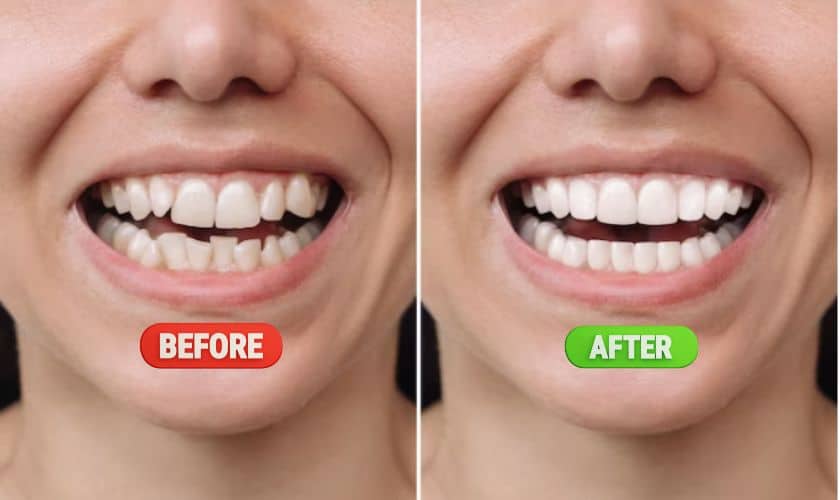
Misaligned jaws, also known as malocclusion, can lead to various issues, including difficulty chewing, speaking, and potential facial asymmetry. Orthodontists play a crucial role in diagnosing and treating misaligned jaws, employing various techniques to achieve optimal jaw alignment and improve overall oral health. In this blog, we will explore the methods orthodontists use to fix misaligned jaws.
1. Diagnostic Evaluation:
The first step in correcting misaligned jaws is a thorough diagnostic evaluation by the orthodontist. This typically involves a series of X-rays, photographs, and impressions to assess the extent and nature of the misalignment. Advanced imaging technologies help orthodontists create a detailed treatment plan tailored to the patient’s specific needs.
2. Orthodontic Appliances:
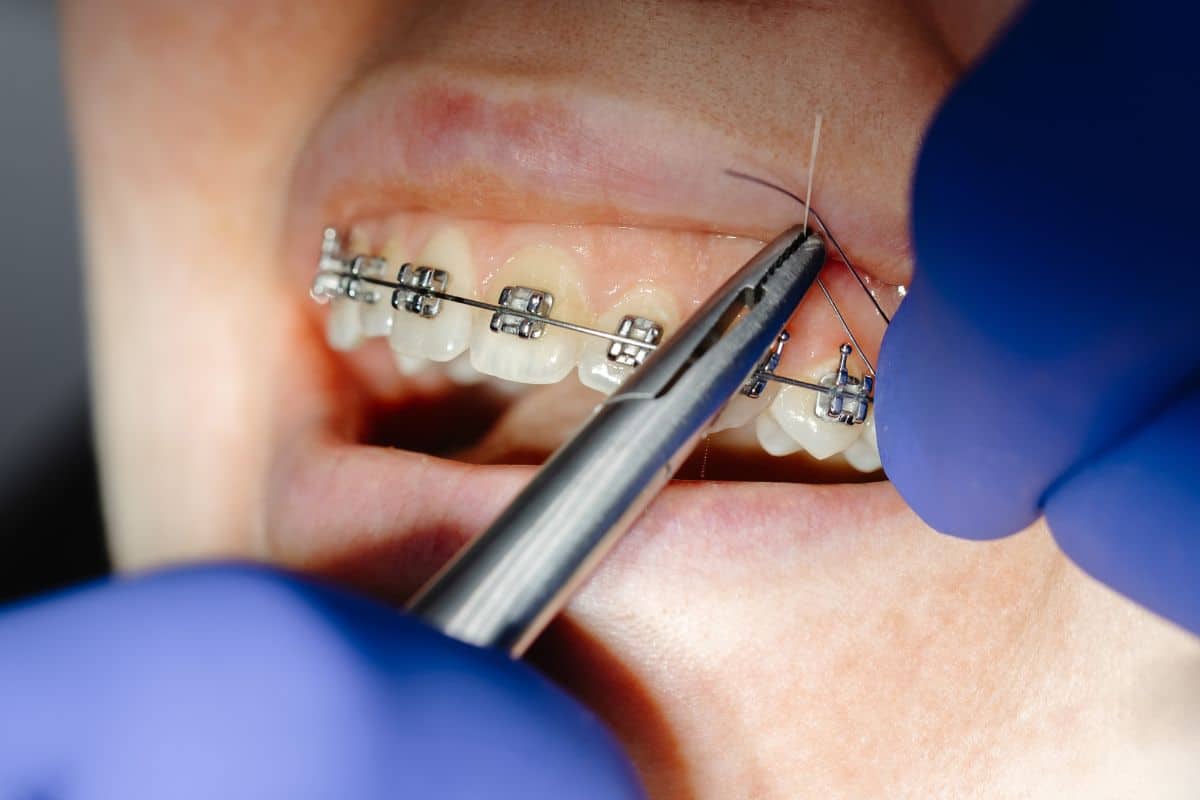
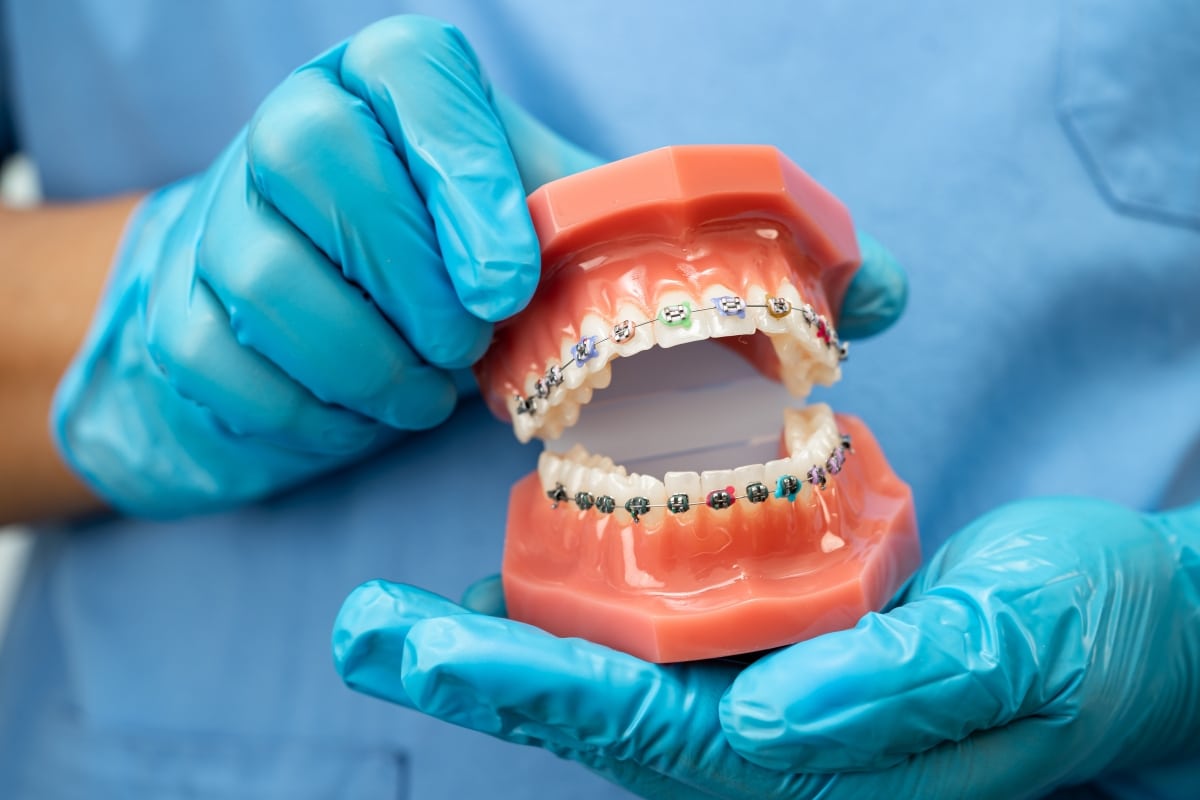
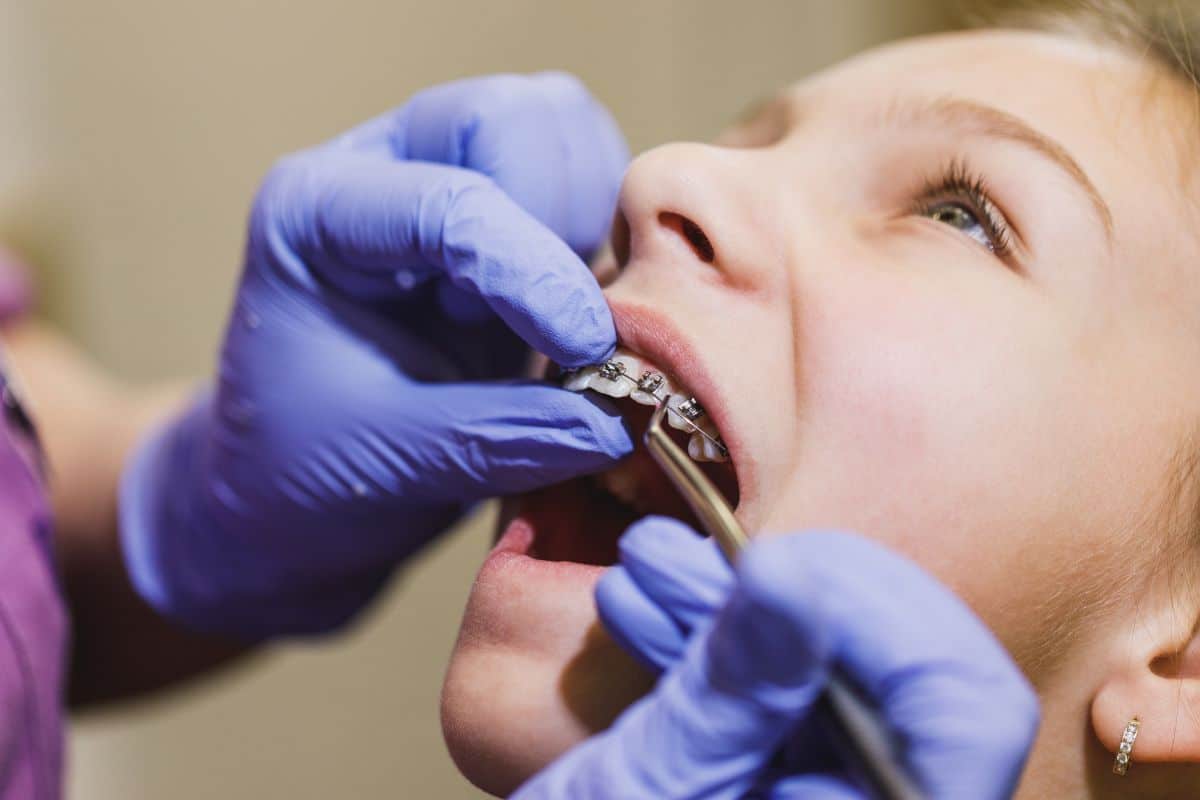
Orthodontic appliances are commonly used to correct misaligned jaws. Traditional braces consist of brackets and wires that apply gradual pressure to the teeth, guiding them into the correct position. For misaligned jaws, additional appliances like headgear or palate expanders may be incorporated to address specific issues.
3. Functional Appliances:
Functional appliances are designed to influence the growth and position of the jaws. These devices, such as Herbst appliances or Twin Blocks, are often used in growing patients to modify the relationship between the upper and lower jaws. Functional appliances are particularly effective when treating discrepancies in jaw size or positioning.
4. Orthognathic Surgery:
In cases of severe jaw misalignment that cannot be fully corrected with orthodontic appliances alone, orthognathic surgery may be recommended. This surgical intervention involves repositioning the upper, lower, or both jaws to achieve proper alignment. Orthodontists work closely with oral and maxillofacial surgeons to plan and coordinate these complex procedures.
5. Invisalign and Clear Aligners:
Invisalign and clear aligners have gained popularity as more discreet alternatives to traditional braces. While they are primarily known for straightening teeth, these systems can also be used to address certain mild to moderate jaw misalignments. Orthodontists use 3D imaging to create customized aligner trays that gradually shift the teeth and, in some cases, contribute to jaw realignment.
6. Retainers:
After the active phase of orthodontic treatment, patients are often required to wear retainers. Retainers help maintain the corrected jaw and tooth positions, preventing relapse. Compliance with retainer use is essential for ensuring the long-term success of jaw alignment treatments.
7. Collaboration with Specialists:
Orthodontists often collaborate with other dental specialists, such as oral surgeons, to address complex cases. This interdisciplinary approach ensures that patients receive comprehensive care, especially when surgical interventions are necessary for optimal results.
8. Patient Education and Compliance:
Patient education is a vital aspect of orthodontic treatment for misaligned jaws. Orthodontists guide proper oral hygiene practices, dietary considerations, and compliance with prescribed appliances or treatments. Patient cooperation is crucial for achieving the desired outcomes within the estimated timeframe.
9. Follow-Up and Monitoring:
Regular follow-up appointments are scheduled throughout the treatment process to monitor progress and make any necessary adjustments. Orthodontists closely track changes in jaw alignment and tooth movement, ensuring the treatment plan remains on track.
Conclusion
Orthodontists employ a combination of traditional and innovative techniques to correct misaligned jaws, addressing not only aesthetic concerns but also improving overall oral function and health. With a personalized approach, collaboration with other dental specialists, and a focus on patient education, orthodontists play a pivotal role in helping individuals achieve well-aligned jaws and smiles that contribute to their overall well-being. If you’re experiencing jaw misalignment concerns, consult with an orthodontist to explore the most suitable treatment options for your specific needs.