820 W Laraway Rd, New Lenox, IL 60451
Discover 9 Typical Orthodontic Problems and How to Solve Them


Orthodontic problems can affect individuals of all ages, impacting not only the aesthetics of their smiles but also their oral health and overall well-being. From misaligned teeth to bite issues, identifying and addressing orthodontic problems is essential for achieving a healthy, functional smile. In this blog, we’ll explore nine common orthodontic problems, their potential consequences, and how orthodontists can help solve them. Additionally, we’ll discuss the importance of seeking care from an emergency dentist for urgent orthodontic concerns.
- Crooked Teeth:
Crooked teeth are a prevalent orthodontic issue that can affect the alignment and appearance of the smile. In addition to cosmetic concerns, crooked teeth may contribute to difficulties in cleaning and increased risk of tooth decay, gum disease, and temporomandibular joint (TMJ) disorders.
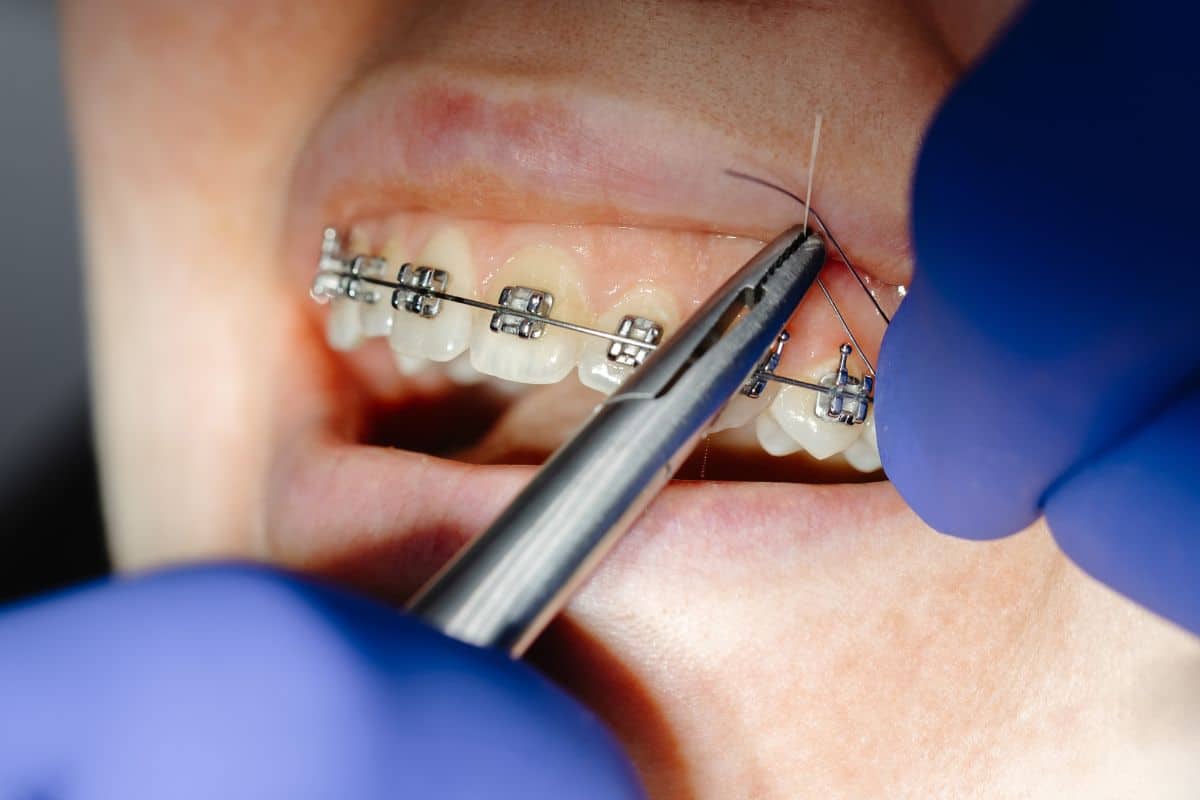
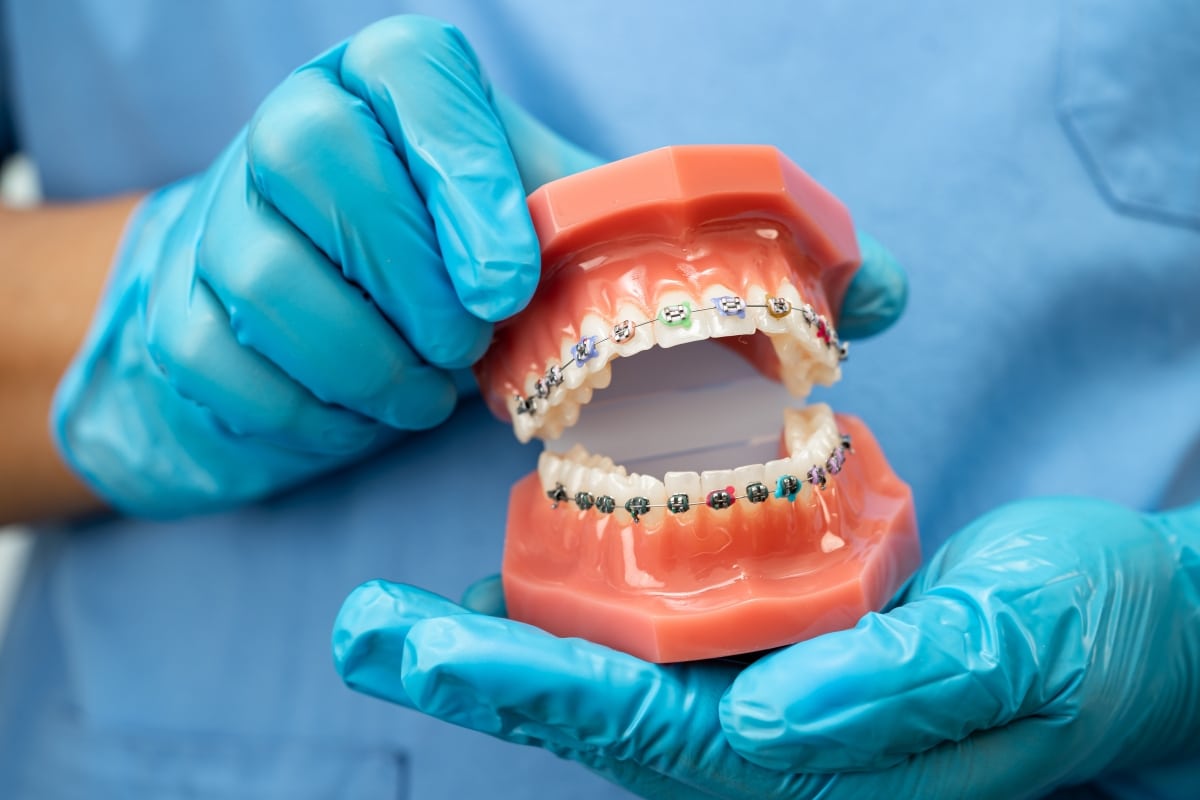
Solution: Orthodontic treatment, such as braces or clear aligners, can gradually shift crooked teeth into proper alignment, improving both aesthetics and oral health.
- Overcrowding:
Overcrowding occurs when there is insufficient space in the dental arch for all the teeth to align properly. This can lead to overlapping or twisted teeth, making it challenging to clean effectively and increasing the risk of decay and gum disease.
Solution: Orthodontic treatment, including tooth extraction or expansion appliances, may be necessary to create space and alleviate overcrowding.
- Open Bite:
An open bite occurs when the upper and lower teeth do not meet properly when the mouth is closed, leaving a gap between the upper and lower front teeth. This can interfere with proper chewing and speech articulation.
Solution: Orthodontic treatment, such as braces or aligners, can gradually close the open bite and improve dental alignment and function.
- Deep Bite:
A deep bite occurs when the upper front teeth excessively overlap the lower front teeth when biting down. This can lead to wear and tear on the teeth, jaw pain, and difficulty biting into food.
Solution: Orthodontic treatment, including braces or clear aligners, can help correct a deep bite by gradually repositioning the teeth to achieve proper alignment.
- Underbite:
An underbite occurs when the lower front teeth protrude in front of the upper front teeth when biting down. This can affect facial aesthetics, speech, and chewing function.
Solution: Orthodontic treatment, in conjunction with orthognathic surgery in severe cases, can help correct an underbite by repositioning the lower jaw and aligning the teeth properly.
- Crossbite:
A crossbite occurs when one or more teeth in the upper dental arch sit inside the lower dental arch when biting down. This can lead to uneven wear on the teeth, jaw misalignment, and facial asymmetry.
Solution: Orthodontic treatment, such as braces or aligners, can correct a crossbite by realigning the teeth and achieving proper dental occlusion.
- Protruding Teeth:
Protruding teeth, also known as buck teeth, occur when the upper front teeth extend significantly forward beyond the lower front teeth. This can increase the risk of dental injuries and affect facial aesthetics.
Solution: Orthodontic treatment, including braces or aligners, can gradually retract protruding teeth and achieve a more balanced and harmonious smile.
- Missing Teeth:
Missing teeth can result from various factors, including trauma, decay, or congenital conditions. In addition to affecting the appearance of the smile, missing teeth can lead to bite problems, speech difficulties, and bone loss in the jaw.
Solution: Orthodontic treatment, in combination with restorative options such as dental implants, bridges, or dentures, can help replace missing teeth and restore oral function and aesthetics.
- Impacted Teeth:
Impacted teeth occur when a tooth fails to erupt properly through the gum tissue, often due to lack of space or obstruction by neighboring teeth. This can lead to pain, infection, and damage to surrounding teeth and tissues.
Solution: Orthodontic treatment, combined with surgical intervention if necessary, can help guide impacted teeth into proper alignment and alleviate associated complications.
Seeking Care from an Orthodontist
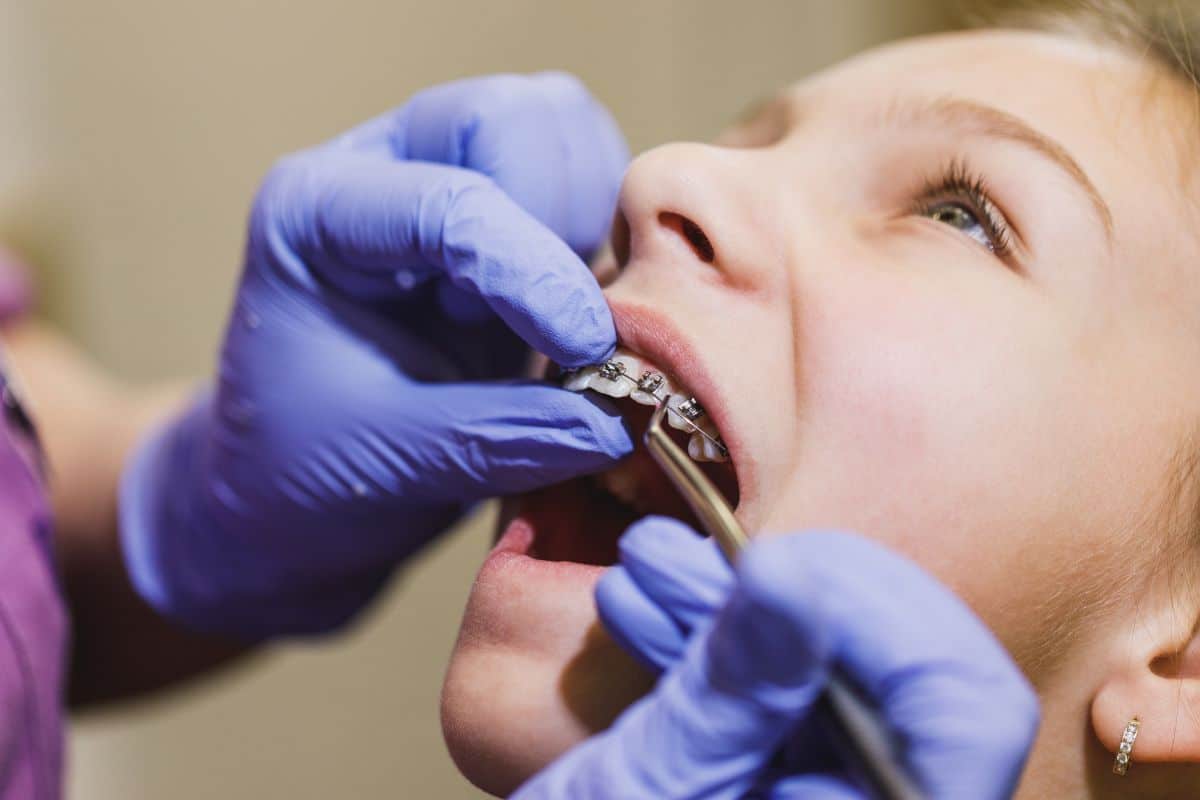
For individuals in New Lenox experiencing orthodontic problems, seeking care from a qualified orthodontist is essential for proper diagnosis and treatment planning. Orthodontists specialize in identifying and correcting dental alignment issues, helping patients achieve healthy, functional smiles through personalized orthodontic care.
Additionally, in cases of orthodontic emergencies such as severe pain, trauma, or broken appliances, it’s crucial to contact an emergency dentist in New Lenox promptly for urgent care and relief.
Conclusion
Orthodontic problems can have a significant impact on oral health, function, and self-confidence. By understanding the common orthodontic issues discussed in this blog and seeking care from an orthodontist in New Lenox, individuals can address their concerns effectively and achieve the healthy, beautiful smile they deserve. Whether it’s crooked teeth, bite problems, or missing teeth, orthodontic treatment offers solutions tailored to individual needs, restoring oral health and enhancing quality of life.