820 W Laraway Rd, New Lenox, IL 60451
Do Lower Partial Dentures Stay in Place?


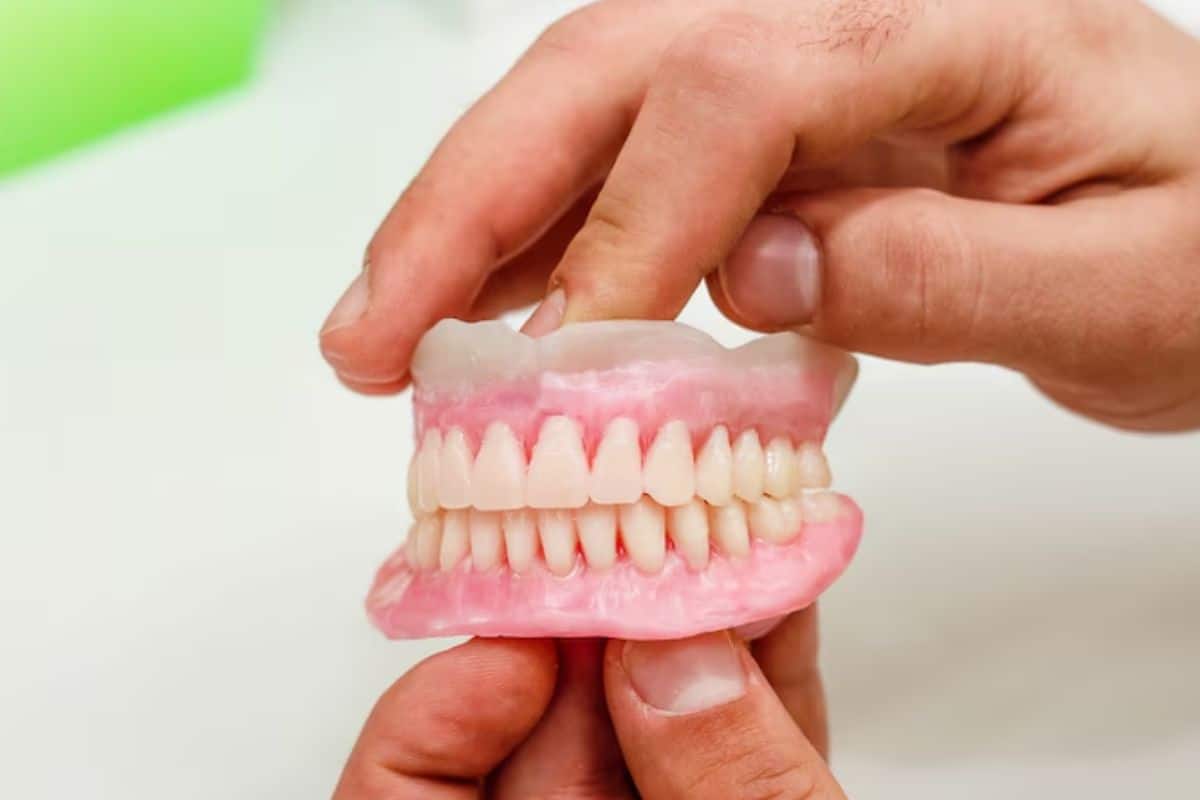
Lower partial dentures, or mandibular partial dentures, are a common solution for individuals missing some of their lower teeth. They offer a cost-effective and less invasive alternative to dental implants or bridges. However, one of the primary concerns for patients is whether these dentures will stay securely in place during daily activities such as eating and speaking. This blog will delve into the factors affecting the stability of lower partial dentures and provide tips for ensuring a secure fit.
Factors Affecting the Stability of Lower Partial Dentures
- Fit and Design: The fit and design of the denture are crucial for its stability. A well-designed partial denture that closely matches the contours of the mouth and gums will provide better stability. Modern dentures are often customized using advanced technology to ensure a precise fit.
- Attachment Methods: Lower partial dentures can be retained in the mouth using various attachment methods, including metal clasps, precision attachments, or dental implants. Metal clasps are common but may be visible, while precision attachments offer a more aesthetic and secure option. Implant-supported dentures provide the highest level of stability but involve a surgical procedure.
- Quality of the Remaining Teeth and Gums: The health and structure of the remaining teeth and gums play a significant role in denture stability. Strong, healthy teeth provide a solid anchor for the dentures, while healthy gums help create a better seal and support.
- Bone Structure: The shape and density of the jawbone affect how well a denture stays in place. Over time, bone resorption (the loss of bone mass) can occur, particularly if teeth have been missing for a while, leading to a less stable base for the denture.
- Saliva Production: Adequate saliva production helps create suction between the denture and the gums, improving stability. Dry mouth, a common condition in older adults or those taking certain medications, can negatively impact denture retention.
Tips for Ensuring a Secure Fit
- Regular Dental Visits: Regular check-ups with your dentist are essential. They can adjust the fit of your dentures, check for any issues with the remaining teeth and gums, and ensure that the dentures are functioning properly.
- Proper Denture Care: Keeping your dentures clean and well-maintained is crucial. Use a soft-bristle toothbrush and non-abrasive denture cleaner to avoid damaging the denture material. Soak your dentures overnight in a suitable solution to keep them fresh and bacteria-free.
- Use of Adhesives: Denture adhesives can provide extra security, especially for lower dentures. These adhesives come in various forms, including creams, powders, and strips, and can help create a stronger bond between the denture and the gums.
- Practice Speaking and Eating: Getting used to speaking and eating with lower partial dentures may take some time. Practice speaking slowly and clearly, and start with soft foods, gradually introducing harder foods as you become more comfortable.
- Healthy Lifestyle: Maintaining good oral hygiene and a healthy lifestyle can positively impact denture stability. Avoid smoking and limit the intake of sugary and acidic foods that can damage the remaining teeth and gums.
Conclusion
Lower partial dentures can stay in place and function effectively with proper care and regular dental check-ups. Understanding the factors that affect denture stability and following the tips provided can help ensure a secure and comfortable fit. If you experience persistent issues with your dentures, consult Dr. Paul Etchison to explore alternative solutions such as adjustments or different types of attachments. A well-fitted lower partial denture can significantly improve your quality of life, allowing you to speak, eat, and smile with confidence.