820 W Laraway Rd, New Lenox, IL 60451
What Happens If a Baby Tooth Falls Out Too Early?

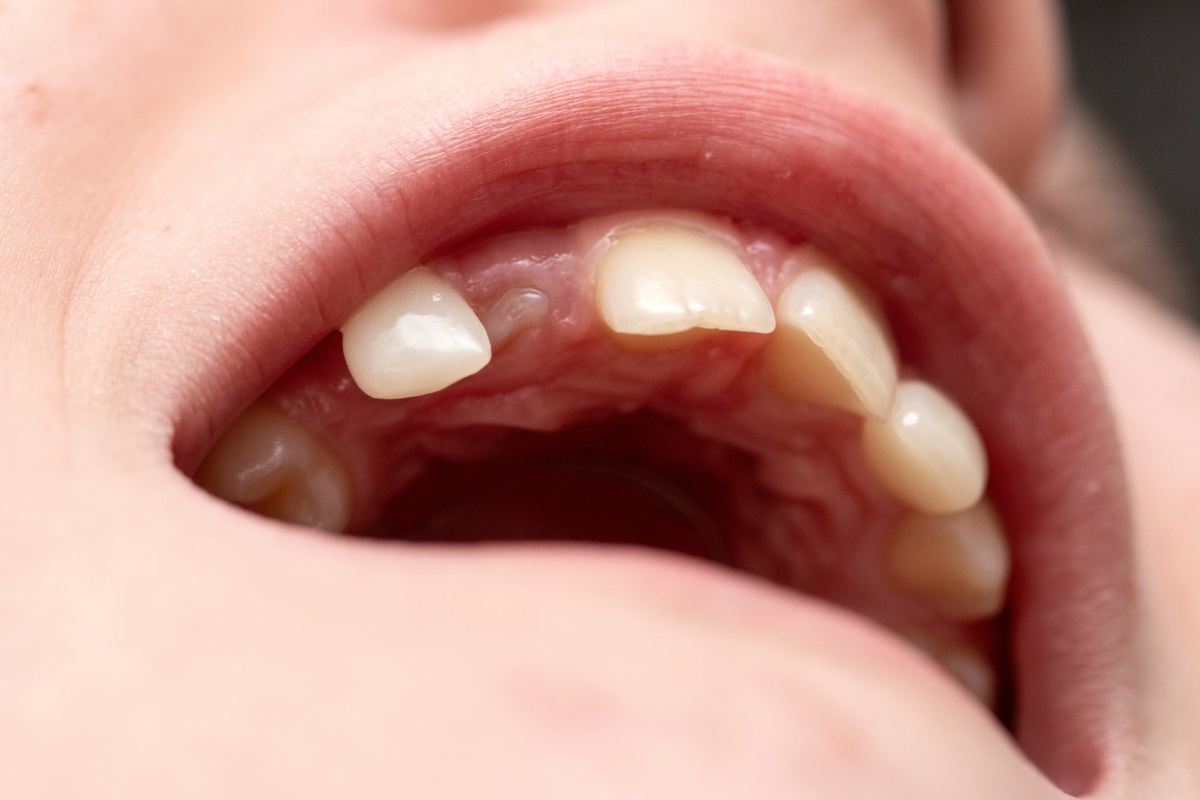
Watching your child lose their first baby tooth is an exciting milestone. But what if that tooth falls out much earlier than expected? For parents in New Lenox, an unexpectedly missing baby tooth can raise questions about their child’s dental development and whether professional attention is necessary.
Baby teeth do more than help children chew and speak. They also preserve space for permanent teeth and guide them into their proper positions. When a baby tooth falls out prematurely due to an injury, decay, or another dental concern, nearby teeth may shift into the empty space, potentially affecting how adult teeth emerge.
Understanding the causes and possible consequences of early baby tooth loss can help families in New Lenox and surrounding Will County communities recognize warning signs and take appropriate steps to protect their children’s developing smiles.
When Is It Too Early for a Baby Tooth to Fall Out?
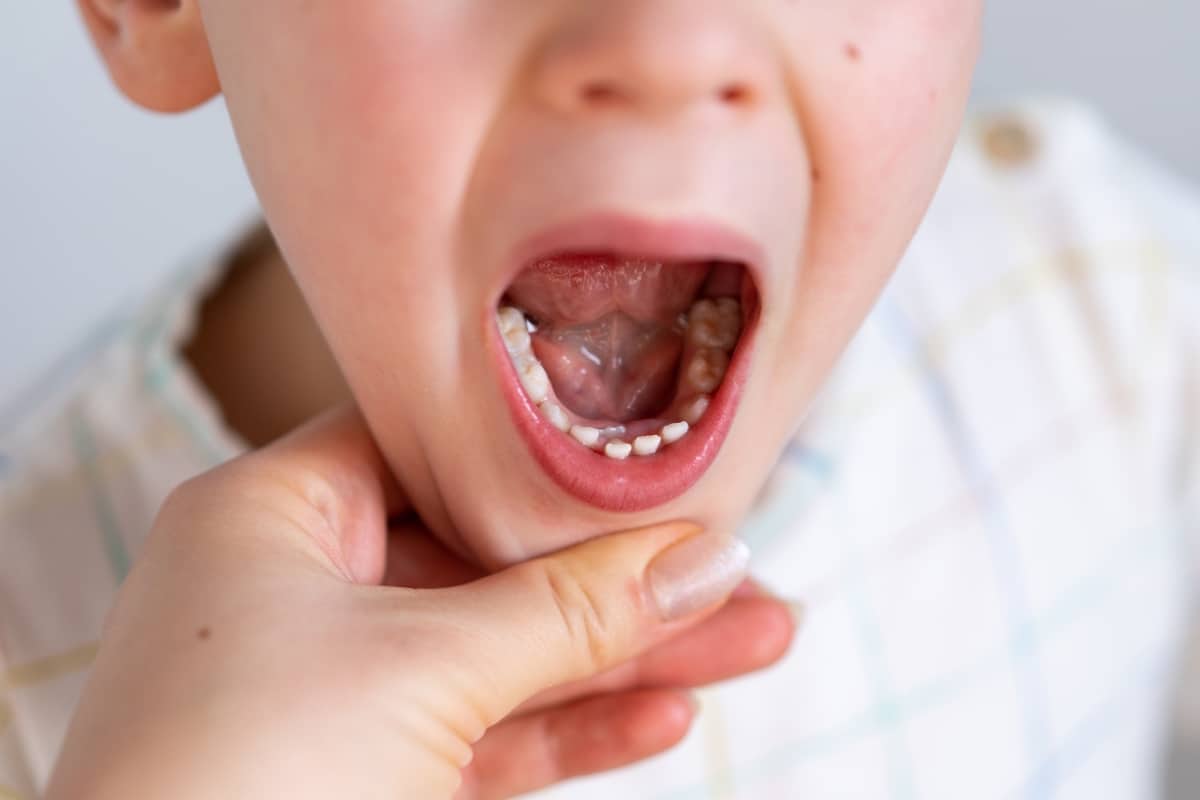
Most children begin losing their baby teeth around age six, although some start earlier or later. The lower front teeth are typically the first to fall out, followed by the upper front teeth.
The timing varies depending on which tooth is involved.
| Baby Teeth | Typical Age of Loss |
| Central incisors | 6–7 years |
| Lateral incisors | 7–8 years |
| First molars | 9–11 years |
| Canines | 9–12 years |
| Second molars | 10–12 years |
These ages are general guidelines, not strict deadlines. A tooth lost at age five may be less concerning if its permanent replacement is already developing and close to erupting.
However, losing a baby molar several years before its replacement is ready may require closer attention.
Why Do Some Children Lose Baby Teeth Prematurely?
Several conditions can cause a primary tooth to fall out before its natural replacement is ready.
- Tooth decay: Severe cavities can weaken a baby tooth or make extraction necessary.
- Dental injuries: Falls, sports accidents, or playground injuries can loosen or completely dislodge teeth.
- Gum infections: Infections affecting the tissues supporting a tooth may contribute to premature tooth loss.
- Developmental differences: Some children naturally experience earlier tooth eruption and shedding.
- Other health conditions: Certain medical or dental conditions can affect how primary teeth develop and remain in place.
Identifying the cause helps determine whether additional treatment or monitoring is needed.
What Happens When a Baby Tooth Falls Out Too Soon?
Premature baby tooth loss does not always cause complications. However, the risk depends on the child’s age, the location of the missing tooth, and how soon the permanent replacement is expected.
Nearby Teeth May Shift Into the Empty Space
Baby teeth help maintain the spacing needed for adult teeth. When one falls out prematurely, neighboring teeth may gradually move toward the opening.
This movement can reduce the space available for the permanent tooth underneath.
Permanent Teeth May Erupt Out of Position
If sufficient space is lost, the developing permanent tooth may emerge crooked, become crowded, or have difficulty erupting normally.
Premature loss of baby molars can be particularly concerning because their permanent replacements may not emerge for several years.
Bite Alignment May Change
When teeth shift, the way upper and lower teeth meet can change.
Some children may develop crowding or bite irregularities that require orthodontic evaluation as their permanent teeth emerge.
Chewing or Speech May Be Temporarily Affected
Missing teeth can sometimes make chewing certain foods more difficult. Early loss of front teeth may also temporarily influence the pronunciation of particular sounds.
Many children adapt naturally, but persistent difficulties deserve professional evaluation.
What Should Parents Do If a Baby Tooth Falls Out Early?
The appropriate response depends on whether the tooth fell out naturally or was lost because of an injury.
If your child unexpectedly loses a baby tooth:
- Check for bleeding or injury. Apply gentle pressure with clean gauze if necessary.
- Do not reinsert the baby tooth. Reimplanting a knocked-out primary tooth can damage the developing permanent tooth.
- Use a cold compress. If swelling occurs, apply a wrapped cold compress to the outside of the cheek.
- Avoid irritating the area. Offer soft foods until discomfort improves.
- Contact our dentist. Arrange an examination to determine whether the tooth was lost prematurely and whether treatment is needed.
If a tooth was knocked out during an accident, seek prompt dental assessment. Significant bleeding, facial injuries, or difficulty breathing require immediate medical attention.
Can a Dentist Prevent Teeth From Shifting After Early Tooth Loss?
In some cases, dental professionals recommend a space maintainer to preserve the opening left by a prematurely lost baby tooth.
A space maintainer is a dental appliance designed to hold space until the permanent tooth is ready to erupt.
Does Every Child Need a Space Maintainer?
No. The decision depends on several factors:
- Which baby tooth was lost
- The child’s age and dental development
- How much space remains
- The position of nearby teeth
- How soon the permanent tooth is expected to erupt
Space maintainers may be fixed or removable. A dental practitioner determines whether an appliance is appropriate after examining the child’s teeth and reviewing dental images when necessary.
Children who receive space maintainers also need periodic evaluations to confirm that the appliance remains functional and does not interfere with developing teeth.
How Can Parents Protect Their Child’s Developing Smile?
Preventing early tooth loss begins with protecting baby teeth from decay and injuries.
Encourage twice-daily brushing with fluoride toothpaste, help younger children clean their teeth thoroughly, and establish regular flossing once neighboring teeth touch.
Limiting frequent sugary snacks and drinks can also reduce cavity risk. For children participating in contact sports, a properly fitted mouthguard helps protect against dental injuries.
Regular dental examinations allow dental professionals to monitor tooth eruption, identify decay, and assess developing alignment concerns.
For parents seeking pediatric dentistry in New Lenox, preventive appointments provide an opportunity to identify changes in baby teeth before they affect permanent tooth development.
Early dental visits are equally important. Understanding why your child’s first dental visit is more important than you think can help parents establish healthy oral hygiene habits, identify early signs of tooth decay, and monitor dental development before permanent teeth begin to emerge.
Protect Your Child’s Smile Before Small Problems Grow
A baby tooth that falls out early may seem minor, but its absence can affect how permanent teeth develop. Early evaluation helps determine whether the space needs protection or whether routine monitoring is sufficient.
At Nelson Ridge Family Dental, we provide comprehensive pediatric dentistry in New Lenox, including preventive checkups, dental examinations, and monitoring of children’s developing teeth.
If your child unexpectedly loses a baby tooth, don’t wait for alignment problems to become noticeable.
Our dental office is conveniently located at 820 W Laraway Rd, New Lenox, IL 60451, and welcomes families from New Lenox and surrounding communities.
Frequently Asked Questions
Is it normal for a five-year-old to lose a baby tooth?
Some children begin losing their front baby teeth around age five. However, losing a back tooth at this age may require evaluation because permanent premolars typically erupt several years later.
Will a permanent tooth grow back if a baby tooth falls out early?
A permanent tooth generally develops beneath the baby tooth and eventually erupts. However, premature tooth loss can affect the space available for that tooth. A dental examination can help assess its development.
Can early baby tooth loss cause crooked permanent teeth?
Yes. Neighboring teeth may shift into the empty space, potentially contributing to crowding or misalignment. However, not every prematurely lost baby tooth causes orthodontic problems.
How long can a child go without a missing baby tooth?
There is no universal waiting period. The risk depends on which tooth was lost and when its permanent replacement is expected. A dentist should evaluate unexpected early tooth loss rather than waiting for visible shifting.
Where can I get my child’s missing baby tooth evaluated in New Lenox?
Nelson Ridge Family Dental provides children’s dental examinations and developmental monitoring in New Lenox. The team can assess premature tooth loss and discuss appropriate next steps.
Does Nelson Ridge Family Dental offer preventive dental care for children?
Yes. Nelson Ridge Family Dental provides pediatric checkups, cleanings, dental sealants, fluoride treatments, and oral hygiene education to help families protect developing teeth.
How can I schedule a pediatric dental appointment in New Lenox?
Parents can contact Nelson Ridge Family Dental to schedule an appointment. The practice is located at 820 W Laraway Rd, New Lenox, IL 60451.