
820 W Laraway Rd, New Lenox, IL 60451
Stop Small Cavities Before They Become Root Canals

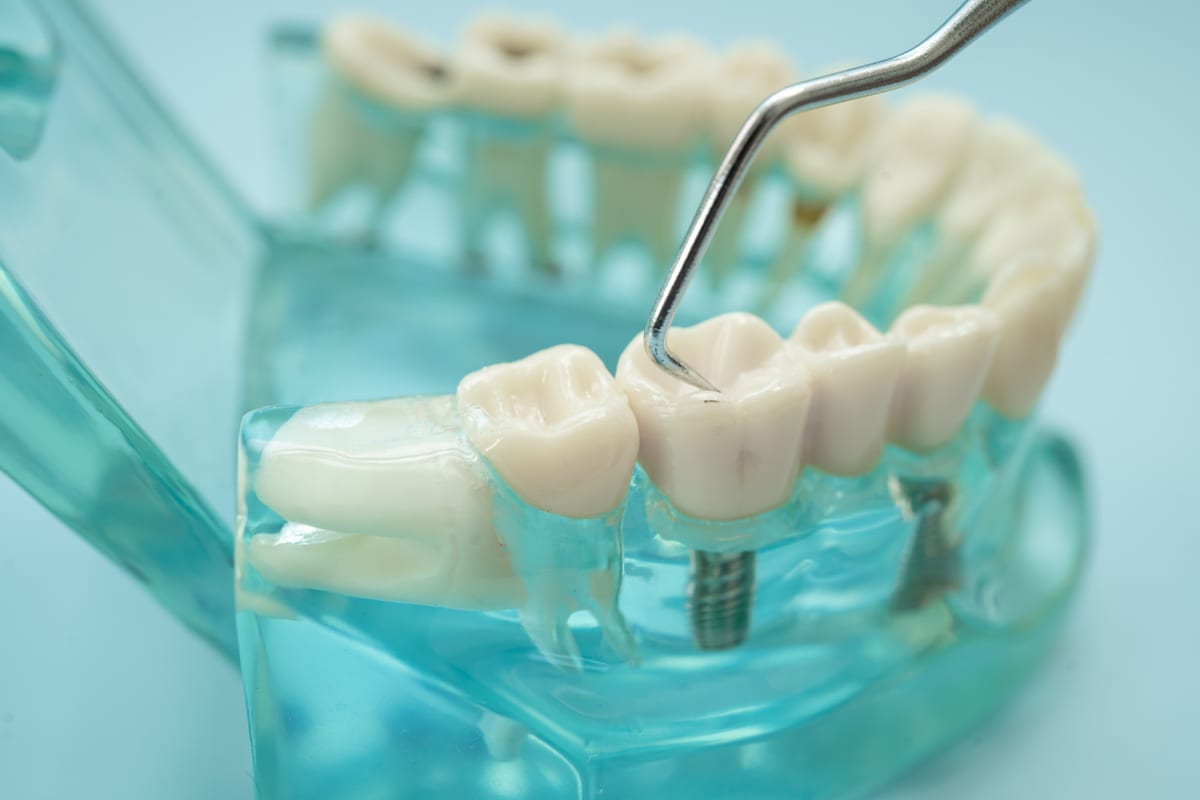
A small cavity might not feel like a big deal. But left untreated, it can quietly grow into a serious infection. For New Lenox, IL residents, the key is simple: stop small cavities before they become root canals by acting early. Dr. Paul Etchison and the team at Nelson Ridge Family Dental are here to help you do exactly that.
Early dental care saves you time, discomfort, and money. Catching decay early means treatment stays simple and straightforward. This article explains how cavities progress and what you can do right now to prevent a painful outcome.
How a Small Cavity Turns Into a Root Canal
Tooth decay does not happen overnight. It starts when bacteria in your mouth feed on sugar and produce acid. That acid slowly erodes your enamel — the hard outer shell of your tooth.
In the earliest stage, decay appears as a small white or brown spot. At this point, a simple filling is all you need. But if you ignore it, the decay reaches the softer layer beneath the enamel called dentin.
Once decay hits dentin, it spreads faster. Eventually, it reaches the pulp — the nerve-filled center of your tooth. That is when the pain becomes intense, and a root canal becomes necessary. The entire process can take months or even years, but it always starts with one small, treatable cavity.
Warning Signs You Should Never Ignore in New Lenox
Many New Lenox patients avoid the dentist because they feel no pain. This is actually the most dangerous stage of tooth decay. Small cavities rarely hurt — that is why routine checkups are so important.
Watch for these early warning signs that decay may be developing:
- Tooth sensitivity to hot, cold, or sweet foods
- A visible dark spot or discoloration on a tooth
- A rough or uneven texture when you run your tongue across a tooth
- Mild, occasional toothaches that come and go
- Food consistently getting stuck in the same spot
Any one of these signs deserves a dental evaluation. Waiting until the pain becomes severe almost always means the damage has progressed significantly. Early intervention is always the smarter choice.
How Nelson Ridge Family Dental Catches Decay Early
Dr. Paul Etchison uses modern diagnostic tools to detect cavities long before they cause pain. Digital X-rays allow the team to spot decay between teeth that is invisible to the naked eye. Early detection is the foundation of preventive dental care.
During a routine exam, the team also performs a thorough visual inspection and probing of every tooth surface. This process identifies soft spots, cracks, and early signs of breakdown. Patients in New Lenox benefit from this careful, detail-focused approach.
Here is what a typical preventive visit at Nelson Ridge includes:
- Digital X-rays to reveal hidden decay
- A full visual and tactile exam of all tooth surfaces
- Professional cleaning to remove plaque and tartar buildup
- Personalized guidance on your home care routine
- An emergency dentistry referral pathway if urgent care is needed
Catching a cavity early means filling it with a small, tooth-colored restoration. The procedure takes about an hour and requires minimal drilling. Compare that to a root canal, which requires multiple visits, more extensive treatment, and a longer recovery.
Prevention Strategies That Keep Cavities From Forming
The best way to stop small cavities before they become root canals in New Lenox is to prevent them from forming in the first place. Good daily habits make a dramatic difference in your long-term dental health.
Start with these essential prevention strategies:
- Brush for two full minutes twice a day using fluoride toothpaste
- Floss every single day to clean between teeth where brushes cannot reach
- Drink fluoridated water to strengthen enamel from the inside
- Limit sugary drinks like soda, juice, and energy drinks
- Ask your dentist about dental sealants for added protection on molars
- Schedule professional cleanings every six months without fail
Fluoride is especially powerful in cavity prevention. It remineralizes weakened enamel and can actually reverse the very earliest stages of decay. Your dentist may recommend fluoride treatments during your regular visits for extra protection.
Dietary choices also play a major role. Snacking frequently throughout the day keeps your teeth bathed in acid. Limiting snacks and rinsing with water after eating helps neutralize acid between meals.
What Happens If You Delay Treatment
Delaying cavity treatment is one of the most common — and costly — dental mistakes. What starts as a quick, affordable filling can escalate into a much more complex situation. Understanding the progression helps motivate timely action.
A small filling typically takes one short appointment. If decay reaches the pulp, a root canal requires removing the infected nerve tissue, shaping the canals, and sealing the tooth. After a root canal, a dental crown is almost always needed to protect the weakened tooth structure.
That means one untreated cavity can lead to multiple procedures. Beyond the cost and time, patients also experience significant discomfort when infection sets in. In some cases, an untreated infected tooth may require extraction, followed by a replacement option like a dental implant.
New Lenox patients who visit Nelson Ridge regularly avoid this cascade entirely. Consistent care keeps treatment simple, predictable, and comfortable. The math strongly favors prevention.
Your Smile Deserves More Than Just Cavity Prevention
Preventive dentistry does more than protect your teeth from decay. It gives Dr. Etchison a chance to monitor your overall oral health and catch issues early. During your visit, the team also performs an oral cancer screening as a standard part of your exam.
Patients interested in improving their smile’s appearance can also explore cosmetic options. If you’re curious about brightening your teeth, ask our team about teeth whitening during your next visit.
Nelson Ridge Family Dental serves the New Lenox, IL community with a full range of dental services. From routine cleanings to restorative care, the practice focuses on keeping your smile healthy at every stage of life.
Take Action for Your Dental Health Today
The easiest way to avoid a root canal is to act before you need one. Small cavities are simple to treat — but only if you catch them early. Dr. Paul Etchison and the Nelson Ridge Family Dental team are ready to help New Lenox patients protect their smiles with compassionate, expert care. Book now to schedule your appointment.
Frequently Asked Questions
How often should I visit the dentist to prevent cavities?
Most patients benefit from a professional cleaning and exam every six months. Some patients with a higher risk of decay may need more frequent visits. Dr. Etchison will recommend a schedule based on your individual needs.
Can a cavity heal on its own without treatment?
Very early-stage decay — called a pre-cavity or enamel lesion — can sometimes be reversed with fluoride and improved oral hygiene. However, once a true cavity forms in the enamel, it will not heal on its own. Professional treatment is always necessary to stop its progression.
How do I know if my tooth needs a filling or a root canal?
A dental exam and X-rays will determine how far the decay has spread. If the decay has not reached the pulp, a filling is usually sufficient. If it has reached the nerve and caused infection, a root canal becomes necessary. Early visits give you the best chance of needing only a simple filling.
Are dental fillings painful?
Modern fillings are performed with local anesthesia, so you should feel little to no discomfort during the procedure. Most patients are surprised at how comfortable the process is. Dr. Etchison also offers sedation options for patients who feel anxious about dental treatment.
What makes tooth-colored fillings a better choice than older metal fillings?
Tooth-colored composite fillings bond directly to the tooth structure, which means less drilling and a stronger result. They also match your natural tooth color, so no one can tell you had a cavity. They are a durable, attractive, and minimally invasive solution for early decay.