820 W Laraway Rd, New Lenox, IL 60451
How Long Do Dental Bridges Last? Maintenance Tips For Longevity

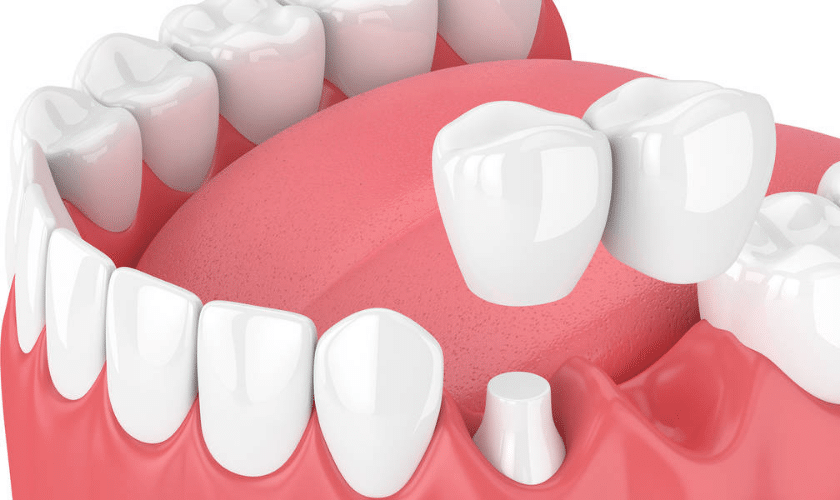
You invested in a bridge to fix a gap in your teeth, improving your smile. It looks great, feels natural, and does its job. But one thing lingers in your mind: how long will it last?
No one wants to go through the process once again. Replacement procedures take time, effort, and money. However, the good news is that with proper care, your false tooth can stay intact for several years. Nonetheless, without adequate upkeep, problems can show up sooner than expected. Let us learn about how to make yours last as long as possible.
What Affects The Lifespan Of A Dental Bridge?
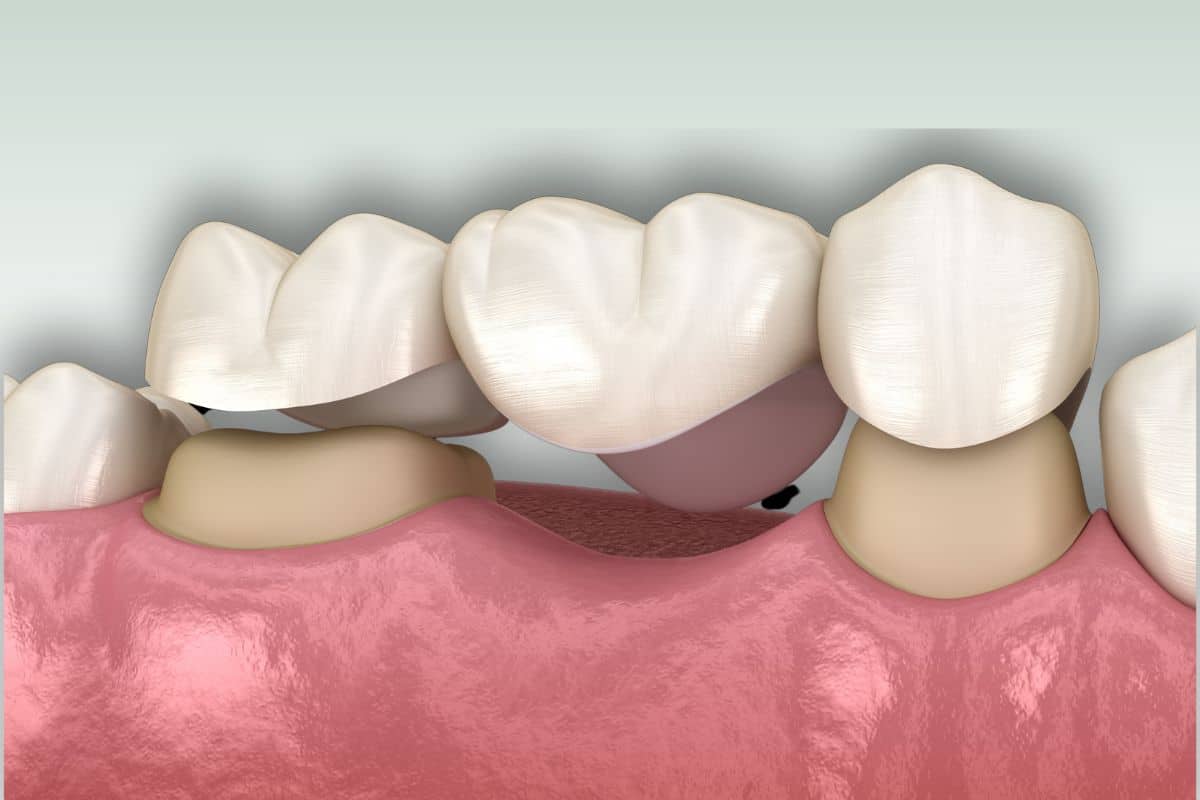
The durability of your fixed partial denture depends on multiple factors. The materials used, daily care, and personal habits determine how long it will perform, like the first day. You must acknowledge that poor oral hygiene can trigger plaque buildup, weakening the surrounding support of your gums and teeth.
Also, grinding or chewing hard foods can strain excessively, gradually causing wear and tear. To avoid them, regular check-ups are the ultimate solution that helps to catch minor issues before they turn into costly repairs.
Factors You Should Pay Attention For Long-Term Stability
- Material Quality: Stronger materials offer better durability.
- Consistent Cleaning: Daily brushing and flossing prevent damage.
- Pressure Control: Avoid grinding and biting into hard foods.
- Routine Monitoring: Regular visits help maintain its condition.
Effective And Simple Ways To Make Your Bridge’s Sustainability
Keeping your bridge in good shape does not have to be complicated. Only a few simple steps can help prevent early damage, avoid costly treatments, and ensure it lasts longer. Daily cleaning, being mindful of what you eat, and regular check-ups can make a difference. Follow these precautions that promote the durability of treatment and remain unharmed:
- Brush And Floss Daily
Use a soft toothbrush and clean under the bridge with floss or special cleaners.
- Avoid Hard Or Sticky Foods
Biting into hard foods or chewing sticky snacks frequently can loosen them over time.
- Use A Night Guard If Needed
Individuals who grind their teeth should wear a night guard to prevent premature wear and protect against damage.
- Rinse With Mouthwash
Carry a mouthwash while traveling if you cannot do your daily oral routine. This keeps bacteria away and helps maintain a clean mouth.
- Do Not Skip Regular Check-Ups
A professional can spot minor issues before they become big and treat them before they cause further damage.
Signs Your Bridge May Need Attention
Even with the best care, wear and tear happens. Watch for these warning signs:
- Pain or Sensitivity: If you feel discomfort while eating or drinking, there could be an issue underneath.
- Loosening: A bridge should not shift or move. If it does, it needs to be checked.
- Gum Issues: Swelling or redness around it may be a sign of infection or irritation.
- Cracks or Damage: Small fractures can grow over time and weaken their structure.
Taking Action Before It Is Too Late
Your bridge is a long-term investment, but it needs care to last. So, do not wait for a problem to get worse. If you notice any of these signs, get it checked immediately. Ignoring even a minor issue can lead to dental complications that might further require a full replacement.
Taking a few simple steps now can save you time and money later.
If you see anything unusual or need guidance for proper care, Nelson Ridge Family Dental is here to help. Make an appointment right now to maintain the condition of your bridge for many years to come.