820 W Laraway Rd, New Lenox, IL 60451
How Long Does It Take After Oral Surgery for an Infected Tooth to Heal?

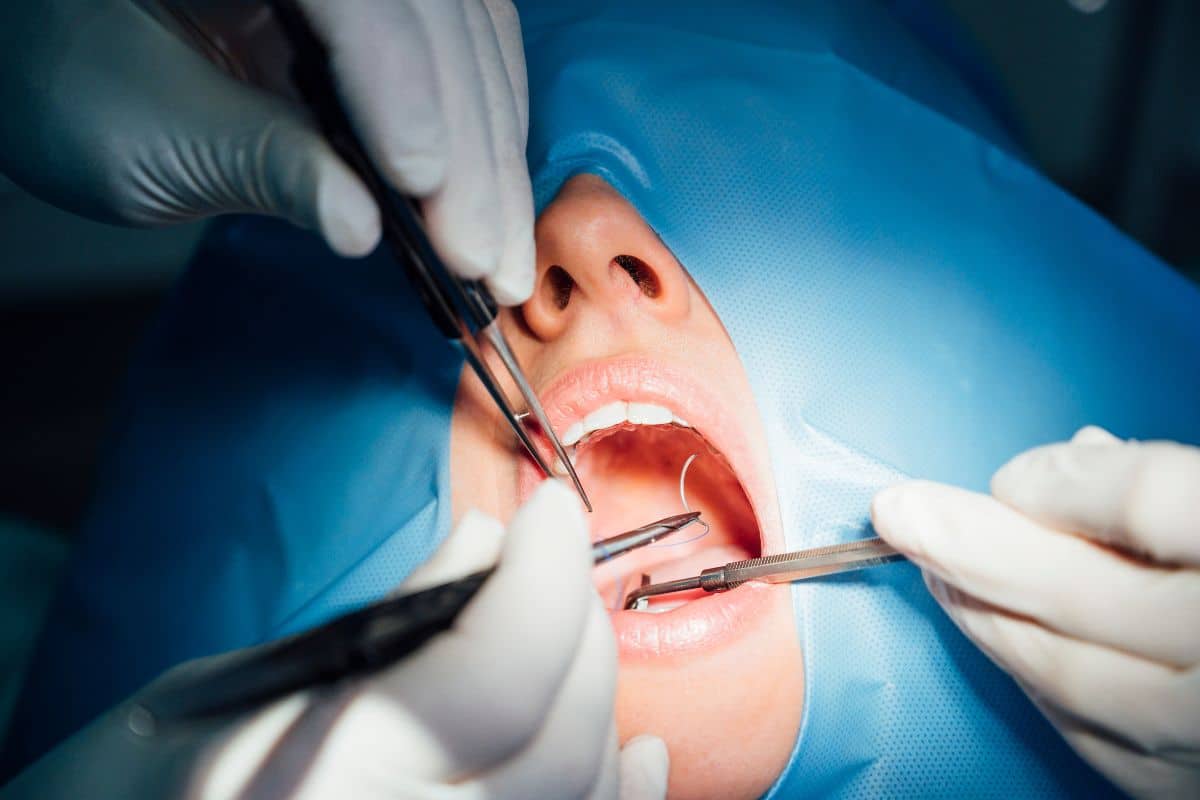
Oral surgery for an infected tooth can be a necessary but daunting experience for many individuals. Whether it’s a root canal or tooth extraction, understanding the healing process is crucial for managing expectations and ensuring proper care post-surgery. In this blog, we’ll delve into the timeline of healing after oral surgery for an infected tooth and provide insights on what to expect during each stage.
Immediate Post-Surgery (First 24-48 Hours)
Following oral surgery, the immediate aftermath involves managing pain, swelling, and potential bleeding. Your dentist or oral surgeon will likely provide specific instructions on pain management and post-operative care. This typically involves:
- Pain Management: Prescribed pain medications or over-the-counter pain relievers can help alleviate discomfort. It’s important to follow dosage instructions carefully.
- Swelling Reduction: Applying ice packs to the affected area for the first 24 hours can help minimize swelling.
- Bleeding Control: Gauze packs may be provided to control bleeding. Bite down gently on the gauze to promote clotting.
During this initial stage, it’s essential to rest and avoid strenuous activities to facilitate the healing process.
Days 2–7
In the days following oral surgery, you may still experience some discomfort and swelling, although it should gradually improve. Here’s what to expect during this stage:
- Pain and Discomfort: While pain typically subsides within the first few days, some discomfort may persist. Stick to soft foods and avoid chewing on the side of the affected tooth.
- Swelling: Swelling should gradually decrease, but it may take several days to fully resolve. Continue using ice packs as needed to reduce swelling.
- Oral Hygiene: Follow your dentist’s instructions for oral hygiene, which may include gentle rinsing with saltwater and avoiding vigorous brushing near the surgical site.
- Medication: If prescribed antibiotics, be sure to complete the full course as directed to prevent infection.
Weeks 1-2
By the end of the first week, you should start noticing significant improvements in your symptoms. However, the healing process is ongoing, and it’s essential to continue proper care.
- Pain Management: Discomfort should continue to diminish, but occasional soreness or sensitivity may persist.
- Healing of Tissues: The gum tissue around the surgical site will gradually heal, and any stitches may dissolve or be removed by your dentist.
- Diet: You can slowly reintroduce firmer foods into your diet, but continue to avoid hard, crunchy, or sticky foods that could irritate the surgical site.
- Follow-Up Appointment: Your dentist may schedule a follow-up appointment to assess your healing progress and address any concerns.
Long-Term Healing (Weeks to Months)
Complete healing after oral surgery for an infected tooth can take several weeks to months, depending on the extent of the procedure and individual factors such as overall health and oral hygiene habits. During this time:
- Bone Healing: If a tooth extraction is performed, the underlying bone will undergo a process called osseointegration, where it gradually fills in the empty socket.
- Tissue Regeneration: The gums will continue to regenerate, and any residual discomfort or sensitivity should subside.
- Oral Health Maintenance: Maintain good oral hygiene habits, including regular brushing, flossing, and dental check-ups, to prevent future infections and promote overall oral health.
Healing after oral surgery for an infected tooth is a gradual process that requires patience and proper care. By understanding the stages of healing and following your dentist’s instructions, you can help ensure a smooth recovery and minimize the risk of complications. If you have any concerns or experience unusual symptoms during the healing process, don’t hesitate to contact your dentist for guidance and support. Remember, prioritizing your oral health is essential for your overall well-being.