820 W Laraway Rd, New Lenox, IL 60451
How to Get Help from an Emergency Dentist if Your Tooth Is Loose

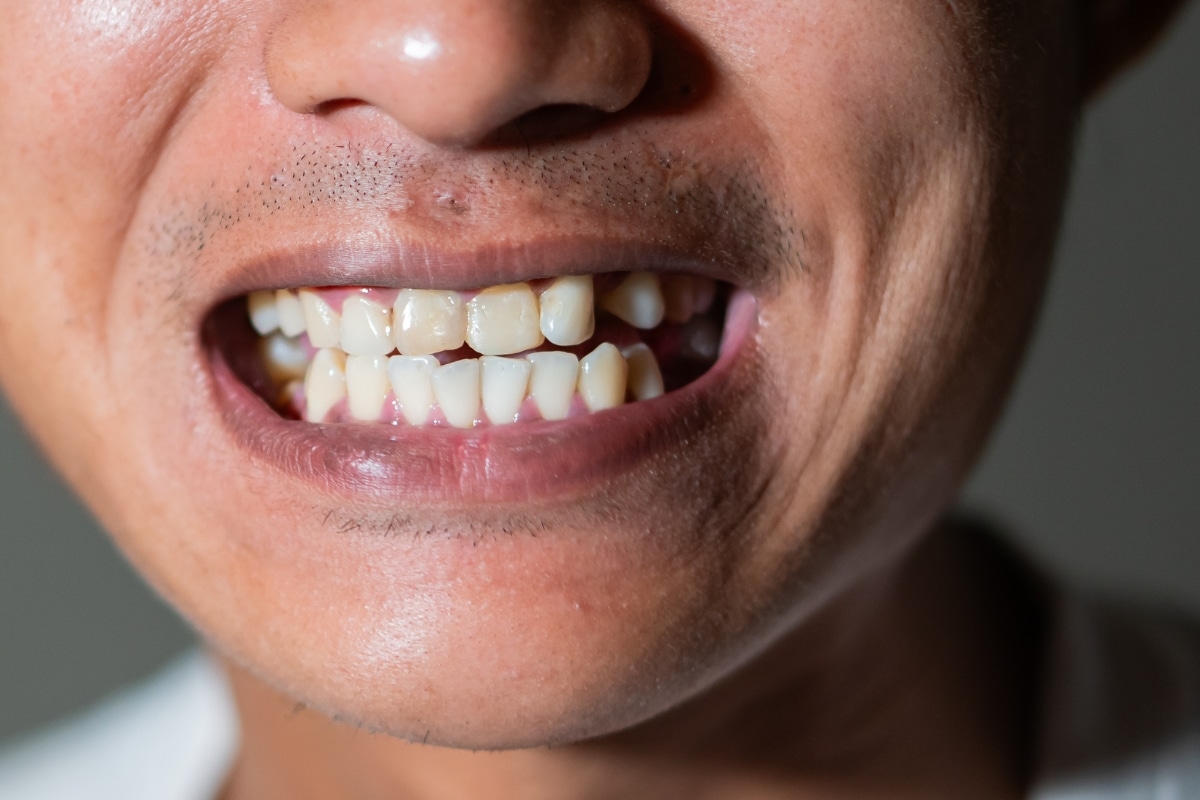
A loose tooth is often a cause for concern, especially in adults, as it typically signals a dental emergency. Whether due to trauma, gum disease, or other oral health issues, a loose tooth needs immediate attention to prevent further complications. In this guide, we’ll walk you through the steps to take if you find yourself in this situation and how an emergency dentist can help stabilize and, in some cases, save your tooth.
Why Do Adult Teeth Become Loose?
While children experience loose teeth as part of their natural growth, a loose tooth in adults is typically a red flag. Here are some common causes:
- Trauma or Injury: A fall, car accident, or sports injury can loosen teeth by damaging the supporting tissues around them.
- Gum Disease: Advanced periodontal disease weakens the tissues and bones that hold teeth in place, leading to looseness.
- Bruxism: Chronic grinding or clenching wears down teeth and stresses the periodontal ligaments, causing looseness.
- Tooth Decay: Severe decay can compromise tooth stability and the surrounding structure.
First Steps to Take If Your Tooth Feels Loose
- Avoid Moving the Tooth: Resist the urge to wiggle, touch, or push the loose tooth, as this can further damage the surrounding tissues.
- Rinse with Warm Salt Water: This can reduce bacteria in the mouth and help soothe any soreness or swelling.
- Apply a Cold Compress: If trauma causes the tooth to loosen, a cold compress can help reduce swelling and relieve pain.
- Limit Chewing on the Affected Side: Stick to soft foods and avoid chewing on the side of the loose tooth to prevent further instability.
Why You Should Visit an Emergency Dentist Right Away
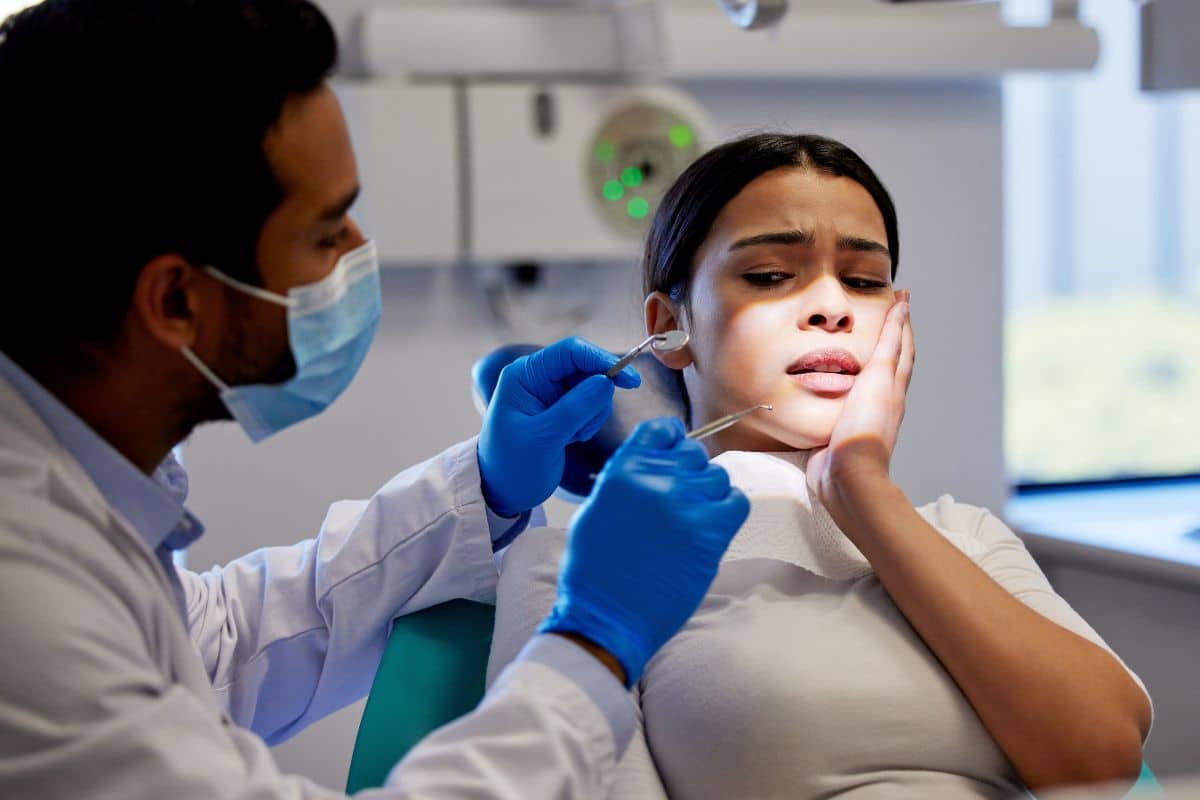
A loose tooth is generally considered a dental emergency, as delaying treatment can lead to additional damage or even tooth loss. Emergency dentists are skilled in handling sudden dental issues and can assess, stabilize, and potentially save the tooth.
Here’s how an emergency dentist can help:
- Examination and X-rays: The dentist will examine the tooth and take X-rays to determine the cause of the looseness and assess any damage to surrounding bone or tissues.
- Stabilization Techniques: If the tooth is still viable, the dentist may use a splint—a small stabilizing device attached to adjacent teeth—to hold it in place while it heals.
- Deep Cleaning (If Caused by Gum Disease): In cases where gum disease is the culprit, the dentist may perform a deep cleaning to remove plaque and tartar buildup and promote healing.
- Root Canal Therapy (If Necessary): If the tooth’s pulp is damaged, a root canal may be required to prevent infection.
- Tooth Extraction (If Severely Damaged): In some cases, if the tooth is beyond saving, an emergency dentist may recommend extraction to prevent further oral health issues.
How to Find an Emergency Dentist
If you don’t already have an emergency dentist on hand, here are some ways to locate one quickly:
- Contact Your Regular Dentist: Many general dentists offer emergency services or can refer you to a nearby clinic.
- Search Online: Look up emergency dentist in New Lenox to find dental practices that handle urgent cases.
- Ask Friends or Family: They may know of a reputable emergency dentist in your area.
- Visit a Local Hospital or Urgent Care Center: While hospitals may not have dental specialists, they can help manage pain and refer you to an emergency dentist.
What to Expect During an Emergency Dental Visit
When you arrive at the emergency dental office, here’s what you can typically expect:
- Pain Management: If you’re in discomfort, the dentist may provide pain relief options.
- Diagnosis and Treatment Planning: The dentist will diagnose the issue and discuss treatment options, including the possibility of saving the tooth.
- Follow-Up Care: Depending on the treatment, the dentist will provide you with aftercare instructions to help your tooth and gums heal.
Preventing Future Dental Emergencies
To reduce the risk of loose teeth and other dental emergencies:
- Practice Good Oral Hygiene: Brushing twice daily, flossing, and using mouthwash help keep gums and teeth healthy.
- Visit Your Dentist Regularly: Routine checkups can catch early signs of gum disease, decay, or other issues.
- Wear a Mouthguard: If you grind your teeth at night or participate in sports, a custom mouthguard can protect your teeth.
- Avoid Hard Foods and Non-Food Items: Chewing on ice, hard candies, or even pens can weaken teeth over time.
A loose tooth may feel unsettling, but with prompt action and the help of an emergency dentist, there’s a good chance it can be saved. Taking quick steps to protect the tooth, avoiding self-treatment, and seeking professional help are essential in preserving your oral health. Dental emergencies can happen to anyone, but being prepared and knowing what to do can make all the difference in saving your smile.
Don’t Wait — Your Tooth Deserves Immediate Care
A loose tooth in adults is never something to brush off or wait on. Whether it’s the result of an unexpected injury, advancing gum disease, or years of teeth grinding, every hour of delay increases the risk of permanent tooth loss. The good news is that with prompt professional care, your tooth can often be saved — but time is truly of the essence.
If you’re in the New Lenox area and dealing with a loose tooth right now, Nelson Ridge Family Dental in New Lenox, IL is here to help. As your trusted Emergency Dentist in New Lenox, IL, our experienced team offers same-day and next-day emergency appointments, digital X-rays, and comprehensive stabilization treatments — all delivered with the compassionate care you deserve. Dr. Etchison and our staff will assess your situation quickly, walk you through your treatment options, and work to preserve your smile.
Don’t wait for the pain to get worse. Call us now at (815) 242 9594 or schedule your emergency appointment online. Walk-ins are welcome. Your dental health — and your smile — can’t afford to wait.
Frequently Asked Questions
Is a loose tooth considered a dental emergency?
Yes — especially in adults. Unlike children, adults don’t naturally lose teeth. A loose adult tooth almost always signals an underlying problem such as trauma, gum disease, or bone loss, and requires prompt evaluation by an emergency dentist to prevent further damage or complete tooth loss.
How quickly should I see an Emergency Dentist in New Lenox for a loose tooth?
As soon as possible — ideally within hours of noticing the looseness. The sooner you’re seen, the better the chances of stabilizing and saving the tooth. At Nelson Ridge Family Dental, we offer same-day emergency appointments so you’re never left waiting when it matters most.
What will the emergency dentist do for a loose tooth?
Your dentist will begin with a thorough examination and digital X-rays to identify the cause and extent of the damage. Depending on the findings, treatment may include dental splinting (attaching the loose tooth to adjacent teeth for stability), deep cleaning if gum disease is involved, or root canal therapy if the tooth’s pulp has been affected.
Can a loose tooth tighten back up on its own?
In some mild cases involving minor trauma, a tooth may stabilize with rest and proper care — but this should always be confirmed by a dental professional. Attempting to manage it at home without guidance risks worsening the situation. It’s always safer to get it checked by an emergency dentist in New Lenox.
What should I do while waiting for my emergency dental appointment?
Avoid chewing on the affected side, do not wiggle or touch the tooth, and rinse gently with warm water. You can apply a cold compress to the outside of your cheek to reduce swelling. Avoid hard, crunchy, or sticky foods until you’ve been seen.
Does Nelson Ridge Family Dental accept walk-ins for dental emergencies?
Yes. We understand that dental emergencies don’t follow a schedule. Nelson Ridge Family Dental welcomes walk-ins and works to accommodate urgent cases as quickly as possible. Call ahead at (815) 242 9594 so we can prepare for your arrival and minimize your wait time.
Will my insurance cover emergency dental treatment?
Most dental insurance plans include some coverage for emergency dental visits. We recommend calling our office so our team can help you understand your benefits before your appointment. We’re committed to making emergency care accessible and stress-free for every patient.