820 W Laraway Rd, New Lenox, IL 60451
Orthodontic Emergencies: What to Do and When to Seek Help


Orthodontic treatment is a journey towards a healthier, more beautiful smile. However, like any medical procedure, there may be unexpected emergencies along the way. Knowing how to handle orthodontic emergencies can prevent discomfort, minimize damage, and ensure the success of your treatment. In this blog post, we’ll explore common orthodontic emergencies, what to do when they occur, and when it’s crucial to seek professional help.
Common Orthodontic Emergencies
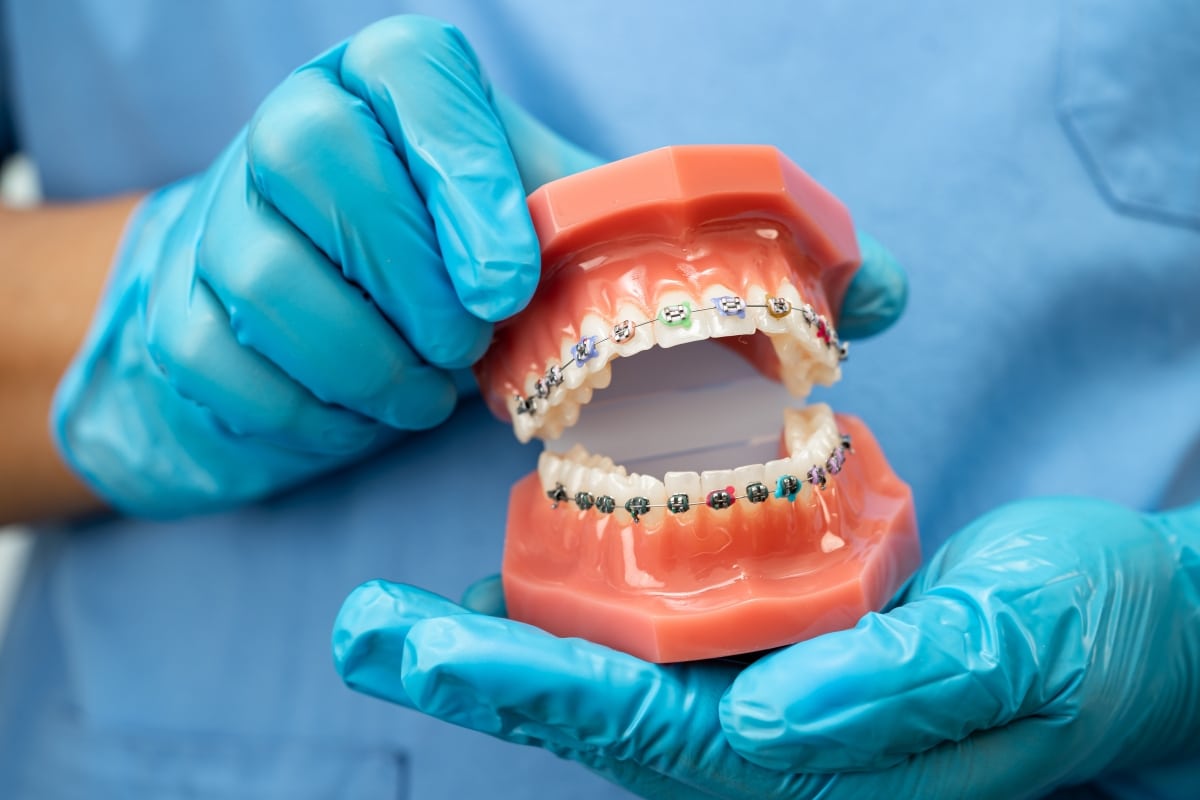
- Loose or Broken Brackets: Brackets are small metal or ceramic pieces attached to your teeth that hold the wires of your braces. They can become loose or broken due to trauma, eating hard foods, or normal wear and tear.
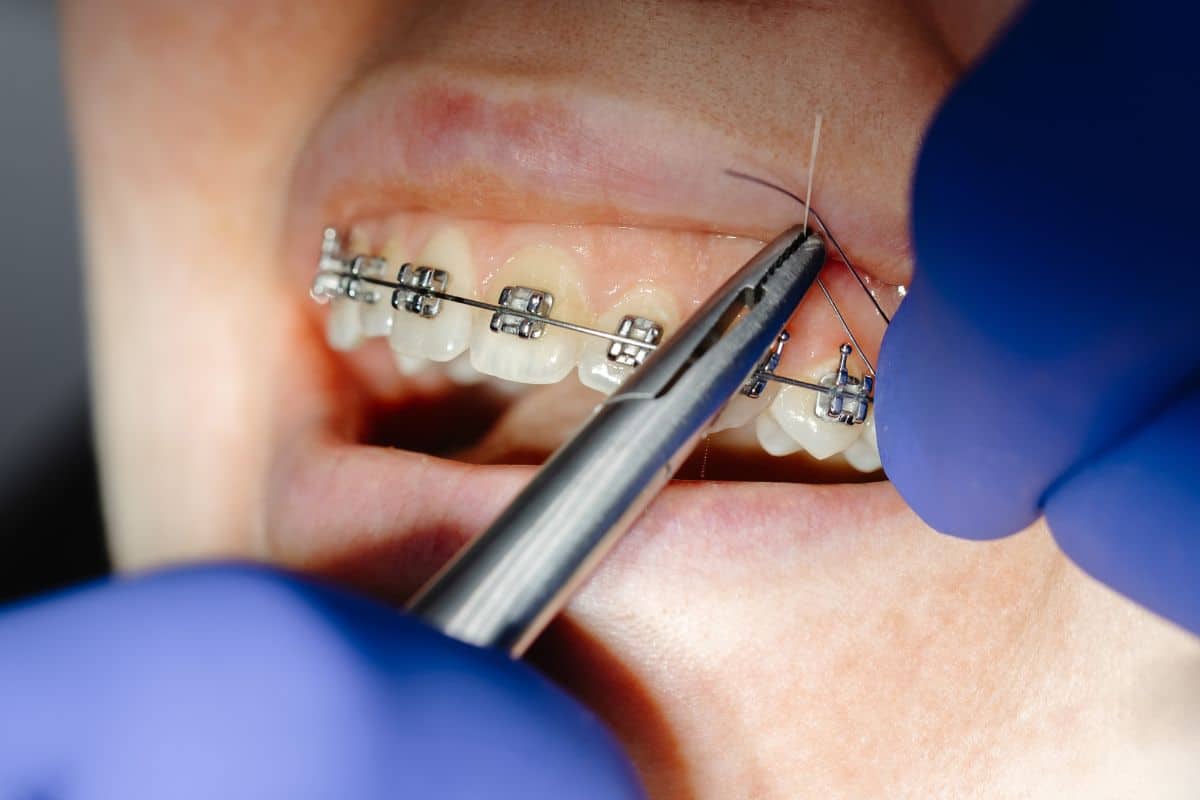
- Poking Wires: Wires that protrude from the brackets can irritate the cheeks, lips, or gums, causing discomfort and even injury.
- Discomfort or Pain: Orthodontic treatment may cause temporary discomfort or soreness, especially after adjustments. However, severe or persistent pain should not be ignored.
- Lost or Broken Retainers: Retainers are essential for maintaining the results of orthodontic treatment. Losing or damaging them can affect the alignment of your teeth.
- Trauma to the Mouth: Accidents or injuries to the mouth, face, or teeth can occur during orthodontic treatment, requiring immediate attention.
What to Do in Orthodontic Emergencies
- Loose or Broken Brackets: If a bracket becomes loose or breaks, try to keep it in place and prevent it from moving around. Cover any protruding wires with dental wax to prevent irritation. Contact your orthodontist for further instructions.
- Poking Wires: Using a pencil eraser or orthodontic wax, carefully slide the wire back into place. If the wire cannot be adjusted, wax it and contact your New Lenox orthodontist.
- Discomfort or Pain: Rinse your mouth with warm salt water and take over-the-counter pain relievers as directed. If the pain persists or worsens, contact your orthodontist for an evaluation.
- Lost or Broken Retainers: Keep the broken retainer and schedule an appointment with your orthodontist as soon as possible. Avoid trying to fix it yourself, as this can lead to further damage.
- Trauma to the Mouth: Rinse your mouth with warm salt water and apply a cold compress to reduce swelling. Contact your orthodontist or seek emergency dental care immediately.
When to Seek Professional Help
While some orthodontic emergencies can be managed at home, others require prompt attention from a professional. Here are signs that indicate you should seek help from your orthodontist or dentist:
- Severe pain or discomfort that does not improve with home remedies
- Excessive bleeding or swelling
- Trauma to the face or mouth resulting in broken teeth or injuries to soft tissue
- Damage to orthodontic appliances that cannot be temporarily repaired at home
Conclusion
Orthodontic emergencies can be stressful, but knowing how to handle them can make a significant difference in the outcome of your treatment. By following the tips outlined in this blog post and seeking professional help when necessary, you can ensure that your orthodontic journey remains on track towards a healthy, beautiful smile. Remember, your orthodontist is there to support you every step of the way.