820 W Laraway Rd, New Lenox, IL 60451
Surgical Crown Lengthening: Concepts and Considerations

Surgical crown lengthening is a critical dental procedure that serves both functional and aesthetic purposes. Whether you’re a patient considering the procedure or a dental professional seeking to understand its intricacies, this blog will provide a comprehensive overview of the concepts and considerations associated with surgical crown lengthening.
What is Surgical Crown Lengthening?
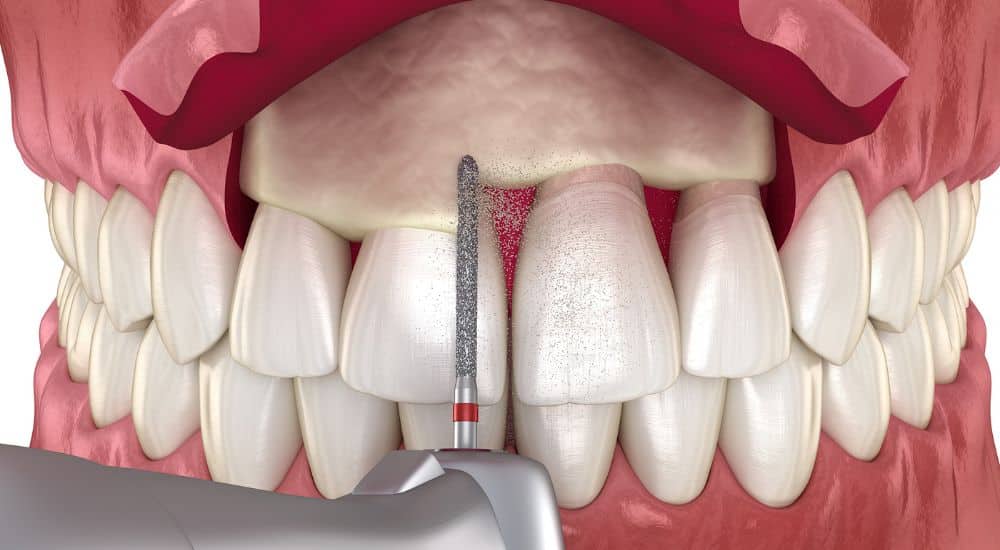
Surgical crown lengthening involves the removal of gum tissue, bone, or both to expose more of a tooth’s structure. The procedure is typically performed by a periodontist, a dental specialist trained in the diagnosis and treatment of periodontal disease and in the placement of dental implants.
Indications for Crown Lengthening
- Restorative Needs:
- Crown lengthening is often necessary when there is insufficient tooth structure available above the gum line to support a restoration, such as a crown or bridge. This can happen due to decay, fracture, or wear that extends below the gum line.
- Aesthetic Concerns:
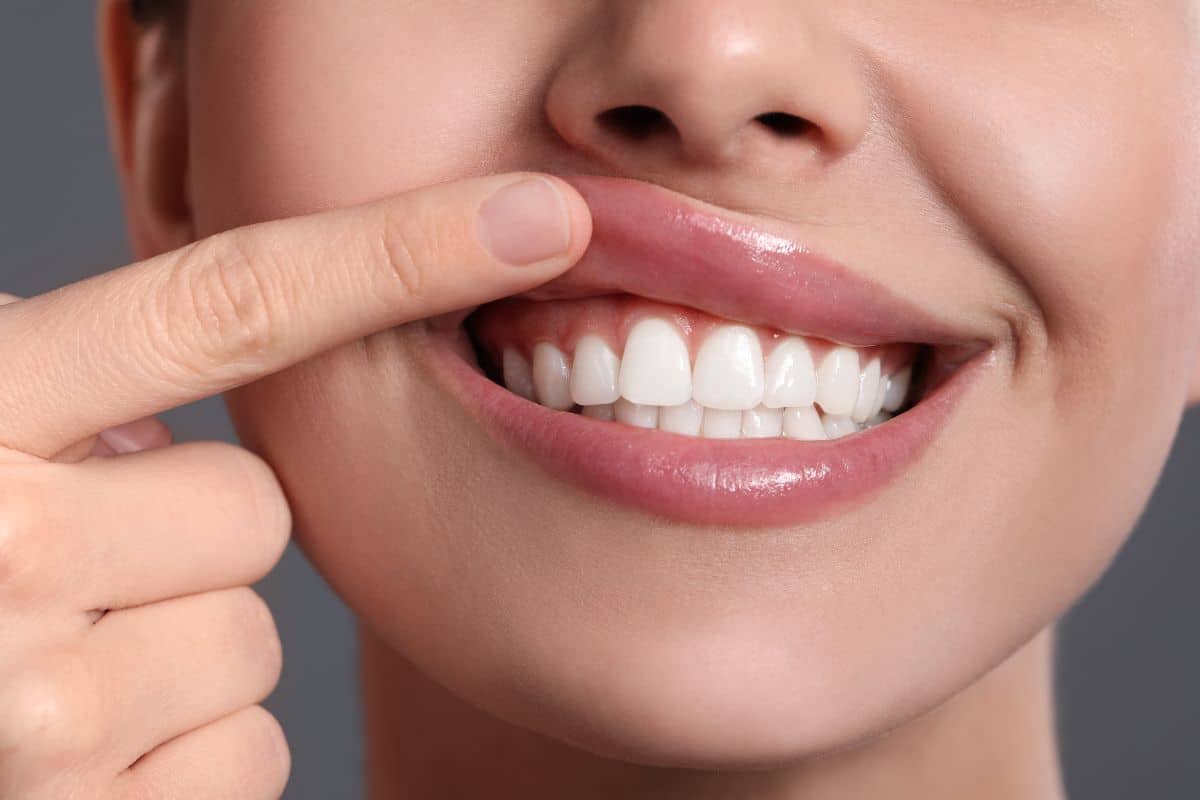
- In some cases, crown lengthening is performed to correct a “gummy smile,” where an excessive amount of gum tissue covers the teeth. This procedure can enhance the appearance of the smile by exposing more of the teeth and creating a more balanced gum-to-tooth ratio.
- To Improve Oral Hygiene:
- Crown lengthening can also make it easier for patients to clean around the teeth and gums, reducing the risk of periodontal disease.
The Procedure
Crown lengthening is typically performed under local anesthesia, and the procedure can vary depending on the complexity of the case. Here’s a step-by-step breakdown:
- Initial Evaluation:
- Before the procedure, the dentist or periodontist will conduct a thorough examination, including X-rays, to assess the tooth structure, root, and surrounding bone.
- Incision and Tissue Removal:
- The gum tissue around the tooth is carefully incised and separated from the tooth and bone. In cases where bone removal is necessary, the periodontist will recontour the bone to expose more of the tooth structure.
- Suturing:
- After the desired amount of tooth structure is exposed, the gums are sutured back into place. The periodontist will ensure that the gums are contoured properly for optimal healing and aesthetics.
- Post-Operative Care:
- Patients are typically advised to follow a soft diet, avoid strenuous activities, and maintain proper oral hygiene without disturbing the surgical site. Pain management is usually handled with over-the-counter pain relievers.
- Healing and Follow-Up:
- The healing process can take several weeks, during which the gums will gradually reform around the tooth. A follow-up appointment is usually scheduled to ensure proper healing and to remove any sutures.
Considerations and Risks
- Bone Loss:
- One of the main considerations during crown lengthening is the potential for bone loss. Removing too much bone can weaken the tooth’s support structure, leading to possible tooth mobility or sensitivity.
- Gum Recession:
- Post-surgical gum recession is a possible outcome, which can lead to increased tooth sensitivity and the potential need for further cosmetic treatments.
- Aesthetic Outcome:
- Achieving an aesthetically pleasing result requires careful planning and execution. The periodontist must balance the removal of tissue with the need to maintain or enhance the patient’s smile.
- Healing Time:
- Healing time can vary depending on the individual and the extent of the procedure. Patients must adhere to post-operative care instructions to minimize complications and promote healing.
- Restorative Timing:
- Timing for the placement of a final restoration, such as a crown, is essential. It’s usually recommended to wait until complete healing has occurred, typically around 6 to 8 weeks, to ensure that the gums have stabilized.
Conclusion
Surgical crown lengthening is a versatile procedure that plays a pivotal role in both restorative and cosmetic dentistry. Understanding the indications, procedure, and potential risks is essential for both patients and dental professionals. When performed correctly, crown lengthening can significantly enhance the teeth’ function, health, and appearance, leading to long-term satisfaction and success.
If you’re considering crown lengthening, talk to us about booking an appointment with one of our dentists in New Lenox. We offer a wide array of high-quality dental services and customized care that you deserve. Let us help you get the smile of your dreams!