820 W Laraway Rd, New Lenox, IL 60451
Top 5 Dental Problems Invisalign Can Fix


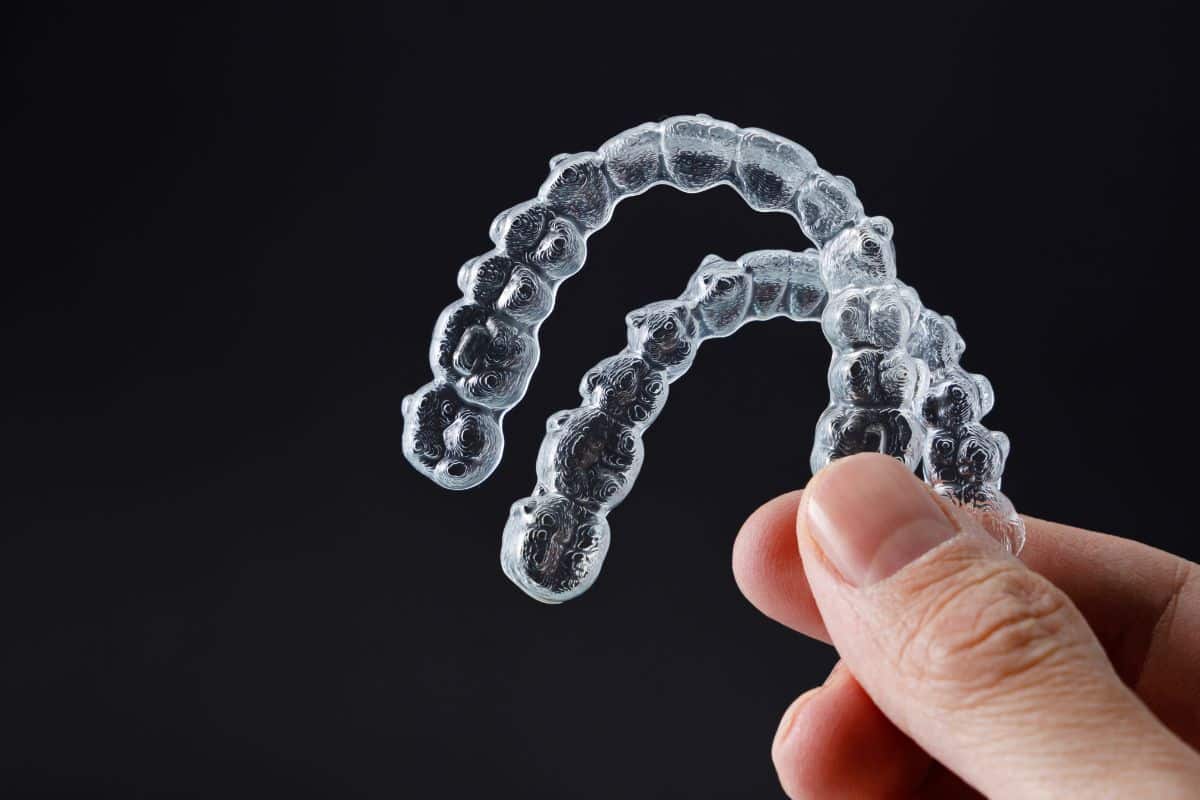
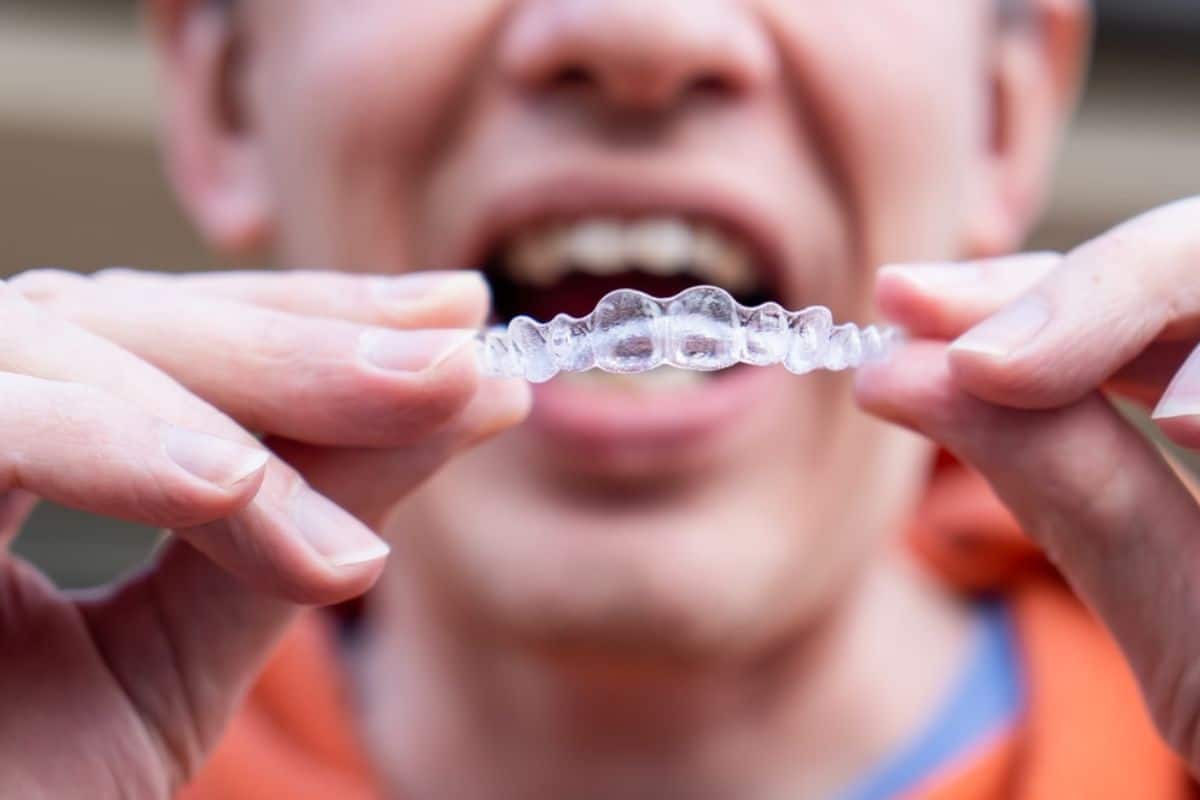
Invisalign has revolutionized the field of orthodontics with its clear, removable aligners that offer a comfortable, discreet alternative to traditional braces. If you’re considering Invisalign, you might wonder which dental problems it can effectively fix. Here’s a look at the top five dental issues that Invisalign is designed to correct.
1. Crowded Teeth
Crowding occurs when there’s not enough space in the jaw for teeth to fit properly, causing them to overlap, twist, or become misaligned. Crowded teeth can be hard to clean, leading to plaque buildup and a higher risk of gum disease and tooth decay.
How Invisalign Helps: Invisalign aligners gently push the teeth into better alignment, creating more space and helping to prevent oral health issues caused by crowding. Through a series of custom-made aligners, Invisalign gradually moves your teeth to their proper position.
2. Gapped Teeth
Gaps between teeth can result from abnormal jawbone growth or missing teeth. While some people like the appearance of a gap, others might want to close it due to aesthetic concerns or issues with food getting stuck between the teeth.
How Invisalign Helps: The aligners work by slowly bringing the teeth closer together. Over time, they close the gaps, improving both the appearance and function of your teeth.
3. Overbite
An overbite, also called “deep bite,” happens when the upper front teeth significantly overlap the lower front teeth. This condition can cause excessive wear on the lower teeth, gum irritation, and jaw discomfort.
How Invisalign Helps: Invisalign can adjust the positioning of both the upper and lower teeth to reduce the severity of an overbite. By moving the teeth into better alignment, Invisalign can help you achieve a more balanced bite and reduce the risk of future dental issues.
4. Underbite
An underbite occurs when the lower teeth extend beyond the upper teeth, usually due to jaw misalignment. An underbite can interfere with normal function, including speaking and chewing, and can also lead to premature wear of the teeth.
How Invisalign Helps: Invisalign aligners can gradually correct underbites by shifting the lower teeth back or the upper teeth forward. In cases where the underbite is caused by jaw structure, Invisalign might be used alongside other treatments.
5. Open Bite
An open bite happens when the upper and lower teeth don’t meet when the mouth is closed. This can create problems with chewing, speaking, and may also contribute to jaw pain.
How Invisalign Helps: Invisalign aligners can help reposition the teeth to close the gap and create a proper bite, improving functionality and appearance. Over time, the aligners will guide the teeth into a position where the upper and lower sets come together properly.
Why Choose Invisalign?
- Comfort and Convenience: Invisalign aligners are smooth, custom-made, and removable. You can take them out for meals and brushing, and they don’t irritate your mouth the way metal braces can.
- Discreet Appearance: Because the aligners are clear, Invisalign is a great option for those who want to straighten their teeth without noticeable braces.
- Effective Results: For a wide range of dental issues, from mild to moderate cases, Invisalign offers a highly effective way to achieve a straighter smile.
Whether you’re dealing with crowded teeth, gapped teeth, or bite issues, Invisalign could be the solution you’re looking for. Schedule a consultation with your dentist or orthodontist to see if Invisalign is right for your unique needs.
Invisalign is an excellent option for correcting various dental problems, offering both functionality and aesthetics. If you’re experiencing any of these dental concerns, Invisalign could be the right treatment for you to achieve a healthier, straighter smile.