820 W Laraway Rd, New Lenox, IL 60451
What Can A Broken Tooth Be Fixed By An Emergency Dentist?


A broken tooth can be a painful and alarming experience, but knowing how to respond can make all the difference. In this blog post, we will discuss the importance of immediate dental care for a broken tooth and the role of an emergency dentist in providing the necessary solutions. We will delve into the causes and types of broken teeth, the signs and symptoms to watch out for, and the immediate actions to take. We will also explore why seeking emergency dental care is crucial and how an emergency dentist can fix a broken tooth. Finally, we will cover the recovery and aftercare process and essential prevention tips. Let’s get started.
Importance Of Immediate Dental Care For A Broken Tooth
A broken tooth should not be treated lightly. It can cause significant pain, affect your appearance, and even lead to complications if left untreated. This is why seeking immediate dental care is crucial when you experience a broken tooth.
An emergency dentist is pivotal in addressing dental emergencies like broken teeth. They are trained to provide prompt and effective care when needed. Whether your tooth is chipped, cracked, or severely broken, an emergency dentist has the knowledge and tools to evaluate the damage and recommend the best action.
Causes And Types Of Broken Teeth
Before we delve into the importance of immediate care, it’s essential to understand the causes and various types of broken teeth. This knowledge can help you recognize the signs and symptoms early on.
Common Causes Of Tooth Fractures:
- Trauma: Accidents, falls, or sports injuries can lead to broken teeth. A sudden impact can cause fractures of varying degrees.
- Decay: Tooth decay weakens the structure of your teeth, making them more susceptible to fractures, especially when subjected to pressure from biting or chewing.
Different Types Of Tooth Fractures:
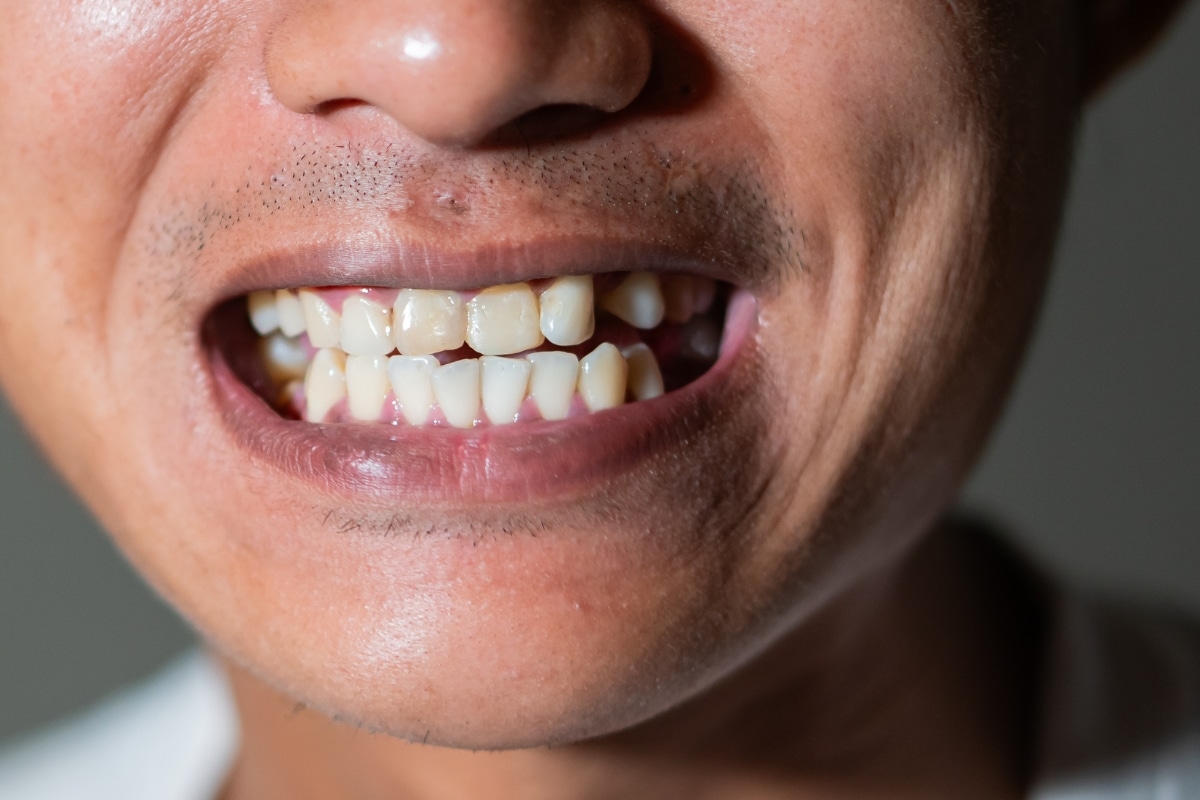
- Chipped Tooth: A minor fracture where a small piece of the tooth enamel breaks off. This can be caused by biting hard objects or grinding your teeth.
- Cracked Tooth: A more severe fracture that extends through the enamel and may reach the dentin or pulp of the tooth. Cracked teeth can be painful and require immediate attention.
- Severely Broken Tooth: This is when a significant portion of the tooth is damaged, possibly exposing the pulp. It can result from severe trauma or untreated decay.
Signs And Symptoms Of A Broken Tooth
Now that we’ve covered the causes and types, it’s crucial to recognize the signs and symptoms of a broken tooth. If you experience any of the following, it’s a clear indication that you may have a broken tooth:
- Pain or Sensitivity When Biting or Chewing: Discomfort while eating is a common sign of a broken tooth. It may range from mild sensitivity to sharp, intense pain.
- Visible Cracks or Chips in the Tooth: If you can see or feel irregularities in the tooth’s surface, it’s a clear damage indicator.
- Swelling or Bleeding Around the Affected Tooth: Swelling of the gum or bleeding around the affected area could indicate a broken tooth.
Immediate Actions To Take
When you suspect or confirm a broken tooth, there are essential immediate actions you can take to minimize pain and discomfort and prevent further complications:
- Rinse Mouth with Warm Water: Gently rinse your mouth to clean the affected area and remove debris.
- Apply a Cold Compress: Apply a cold compress to the outside of your cheek or lip near the afflicted tooth to reduce swelling and pain.
- Take Over-the-Counter Pain Relievers: Over-the-counter pain relievers, like ibuprofen, can help manage pain until you can see an emergency dentist.
Why Seek Emergency Dental Care?
Seeking emergency dental care for a broken tooth is crucial for several reasons:
- Importance of Timely Treatment: Immediate treatment can prevent the problem from worsening and causing further damage to the tooth.
- Possible Complications if Ignored: Ignoring a broken tooth can lead to infection, abscess formation, and tooth loss. Addressing the issue promptly can prevent these complications.
How Can An Emergency Dentist Fix A Broken Tooth?
When you visit an emergency dentist with a broken tooth, they will follow a systematic approach to address the issue effectively.
- Examination and Diagnosis of the Broken Tooth: The dentist will carefully examine the broken tooth, possibly using X-rays to assess the extent of the damage.
- Possible Treatment Options: The recommended treatment will depend on the severity of the fracture. Here are the most common options:
- Dental Bonding or Filling: For minor chips or cracks, the dentist can use bonding material or dental fillings to restore the tooth’s shape and function.
- Dental Crown or Veneer: A dental crown or veneer can cover and protect the tooth if the damage is more extensive.
- Root Canal Therapy or Extraction: In cases of severe fractures that expose the pulp, a root canal may be necessary to save the tooth. If the damage is beyond repair, extraction may be the only option.
Recovery And Aftercare
After your emergency dental treatment, it’s essential to take steps for a smooth recovery:
- Tips for Managing Pain and Discomfort: The dentist will provide guidance on managing post-treatment pain and discomfort, which may include pain relievers and following specific dietary restrictions.
- Proper Oral Hygiene Practices: Maintaining good oral hygiene is crucial for healing. Follow the dentist’s instructions for cleaning the treated area and maintaining oral health.
- Follow-Up Appointments: Schedule and attend any recommended follow-up appointments with the dentist to ensure the healing process progresses.
Prevention Tips For Avoiding Future Tooth Fractures
Preventing a broken tooth is always better than dealing with the aftermath. Here are some preventive measures:
- Maintaining Good Oral Hygiene Habits: Regular brushing, flossing, and dental check-ups can help keep your teeth healthy and strong.
- Wearing Mouthguards: If you participate in contact sports or activities with a risk of dental injury, wearing a mouthguard can provide crucial protection.
- Avoiding Hard Foods or Habits: Be mindful of habits like nail biting or chewing on ice, as they can harm your teeth. Additionally, avoid biting on extremely hard foods.
A broken tooth can be a distressing experience, but with the prompt attention of an emergency dentist, you can restore your smile and oral health. Immediate dental care is essential to prevent complications and further damage. If you ever have a broken tooth, don’t hesitate to seek professional help. Your smile and your overall well-being depend on it.