820 W Laraway Rd, New Lenox, IL 60451
How Does Root Canal Improve Your Overall Oral Health

Welcome to our latest blog post all about how root canal treatment can improve your overall oral health. If you’ve ever experienced severe tooth pain or sensitivity, then you know just how debilitating it can be. But did you know that a root canal procedure could offer relief and help protect your teeth from further damage? In this article, we’ll dive into what a root canal is, when it’s needed, and how it can benefit your dental health in the long run. So sit back, relax, and let’s get started!
What is a root canal?
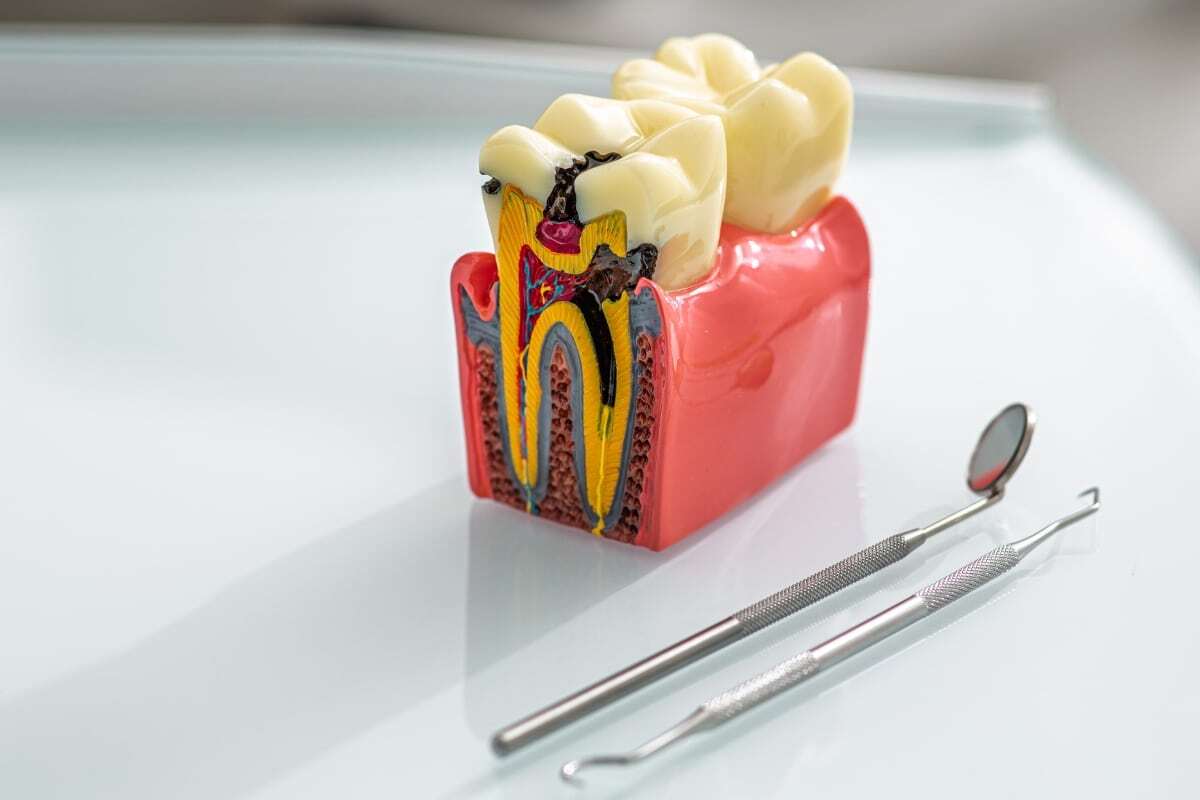
A root canal is a dental procedure that involves the removal of infected or damaged pulp from inside a tooth. The pulp is the soft tissue that contains nerves, blood vessels, and connective tissue in the center of your tooth. When this becomes inflamed or infected due to deep decay, cracks, or chips on teeth, it can cause severe pain and even abscesses.
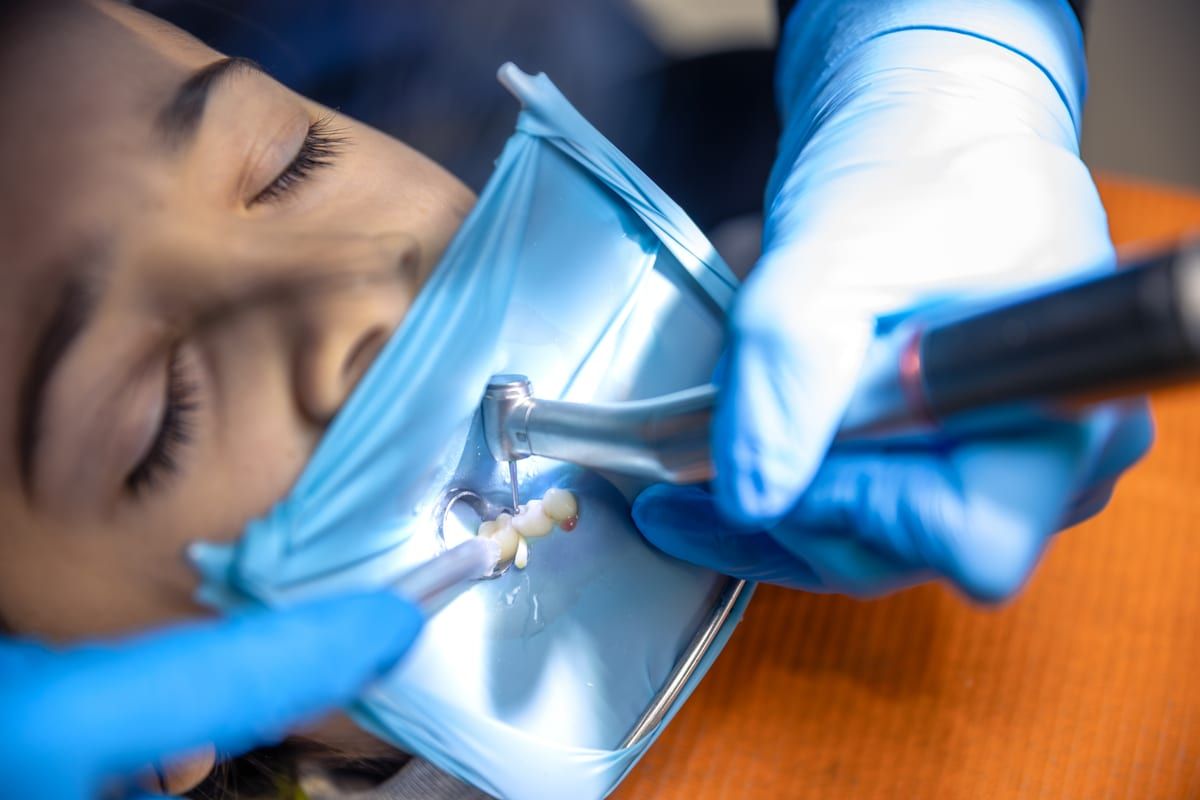
During a root canal treatment, your dentist removes the damaged pulp and cleans out any remaining bacteria before filling and sealing the cavity with special materials. This helps prevent further infection while restoring function to your tooth.
While many people may feel nervous about getting a root canal done, it’s actually a common procedure that can save your natural teeth from being extracted. It’s typically performed under local anesthesia, so you won’t feel any pain during the procedure.
Afterward, you might experience some tenderness in your jaw for several days, but most patients find relief from their initial symptoms within just a few hours after undergoing this treatment.
When do you need a root canal treatment?
A root canal treatment becomes necessary when the tooth’s pulp, which contains nerves and blood vessels, becomes infected or inflamed. This can cause severe pain and swelling in the affected area.
If you experience a persistent toothache, sensitivity to hot or cold temperatures, swollen gums or face, darkening of the tooth color, or tenderness while chewing food, then it is likely that you need root canal therapy. In some cases, there may be no symptoms at all.
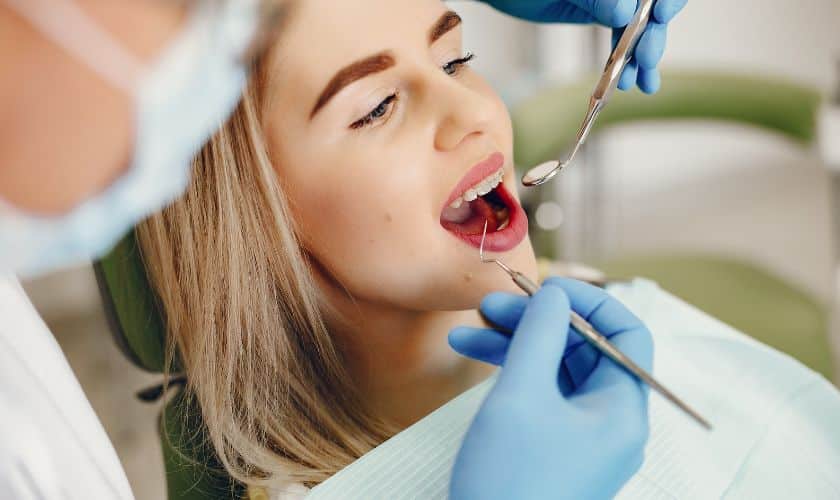
Only a dentist can determine if you need a root canal by conducting an examination of your teeth and taking X-rays to assess the severity of the damage caused to the pulp. The sooner you seek treatment for any dental issues such as cavities or cracks on your teeth, the better. This could help prevent further damage requiring more extensive treatments like a root canal.
In general, prevention is always better than cure. Therefore, good oral hygiene practices such as brushing twice daily with fluoride toothpaste and having regular checkups with your dentist are key factors that can help you avoid needing extensive dental procedures like this one.
How does a root canal improve your overall oral health?
A root canal treatment can greatly improve your overall oral health by removing infected or inflamed tissue from the inside of a tooth. When the pulp of a tooth becomes damaged, it can cause intense pain and sensitivity. It may also lead to abscesses or infections if left untreated.
During a root canal procedure, the dentist will remove the damaged pulp and fill in the empty space with a special dental material. This helps prevent further decay or damage to the tooth and eliminates any pain associated with infection or inflammation.
By improving your oral health through root canal therapy, you’ll be able to eat comfortably without experiencing pain or sensitivity. You’ll also be able to maintain proper dental hygiene by brushing and flossing regularly without irritation caused by an infected tooth.
Furthermore, treating an infected tooth early with a root canal can help prevent more serious issues such as bone loss or damage to surrounding teeth. In fact, getting timely treatment for an infected tooth is key to maintaining good overall oral health.
Undergoing a root canal procedure can significantly improve your quality of life due to its ability to alleviate painful symptoms that negatively impact daily activities like eating and speaking confidently.
Tips for faster recovery after root canal therapy
After undergoing root canal therapy, it is important that you take care of your oral health to ensure a faster recovery. Here are some tips to help speed up the healing process after a root canal treatment.
Firstly, it is essential that you follow all the instructions given by your dentist for post-treatment care. This may include taking antibiotics or painkillers as prescribed and avoiding hard foods for a few days.
It is also recommended that you avoid smoking and consuming alcohol during the recovery period, as they can slow down the healing process and cause further damage to your teeth.
To reduce any swelling or discomfort, apply an ice pack to your cheek in intervals of 20 minutes at a time for the first 24 hours following treatment.
Maintaining good oral hygiene practices such as brushing twice daily with fluoride toothpaste and flossing regularly will not only promote faster healing but also prevent future dental problems.
Attend all follow-up appointments with your dentist to monitor progress and ensure a complete recovery without complications.
By following these simple steps, you can expect a smoother and quicker recovery from root canal therapy while ensuring overall better oral health in the long run.
Final thoughts
Root canal therapy is a safe and effective procedure that can improve your overall oral health. By removing infected or damaged tissue from inside the tooth, a root canal can prevent the spread of infection to surrounding teeth and gums. It also helps alleviate the pain and discomfort associated with an untreated infection.
If you suspect you may need a root canal, it’s important to schedule an appointment with your dentist as soon as possible. With proper care and maintenance, including regular dental check-ups and good oral hygiene habits at home, your treated tooth can last for many years.
Remember to follow all post-treatment instructions provided by your dentist for a faster recovery after the procedure. And don’t hesitate to ask any questions or express any concerns you may have about the process.
With these tips in mind, you can feel confident in pursuing root canal therapy as a way to improve both your oral health and overall well-being.