820 W Laraway Rd, New Lenox, IL 60451
Taking the Fear Out of Root Canals: Safe, Comfortable Care Right in Our Office

If the words “root canal” make your stomach drop a little, you are not alone. For decades, root canals have carried a reputation that is, frankly, way worse than the reality. The truth is, modern root canal therapy in New Lenox has come a long way, and for most patients, it feels no more dramatic than getting a routine filling. At our office, we see anxious patients walk in and relieved patients walk out every single day. If you have been putting off a visit because of fear, this post is for you.
What Is a Root Canal, Really?
A root canal is not a punishment. It is actually a rescue mission for your tooth.
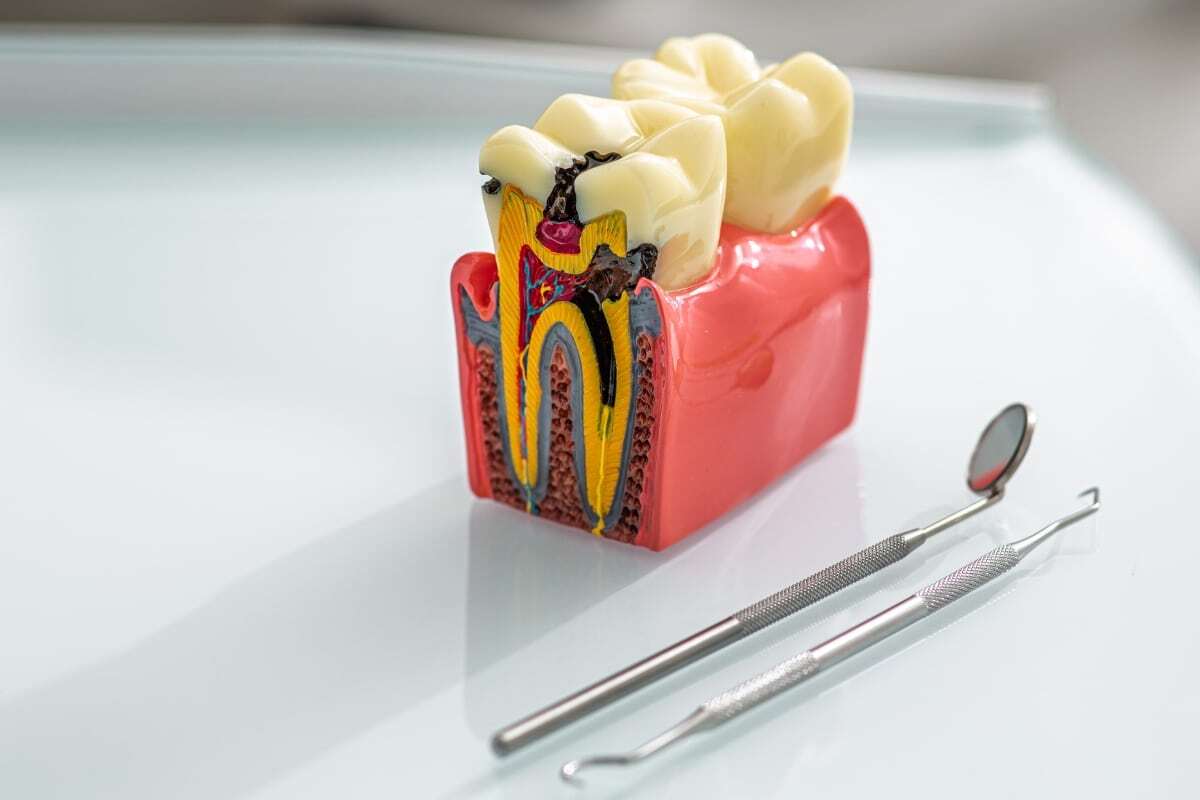
Inside every tooth, beneath the hard enamel and the dentin layer, there is a soft tissue called the pulp. The pulp contains nerves, blood vessels, and connective tissue. When decay, a crack, a chip, or repeated dental work allows bacteria to reach that pulp, infection sets in. Left alone, that infection does not stay put. It spreads, it causes pain, it can lead to abscess formation, and eventually it may cost you the tooth entirely.
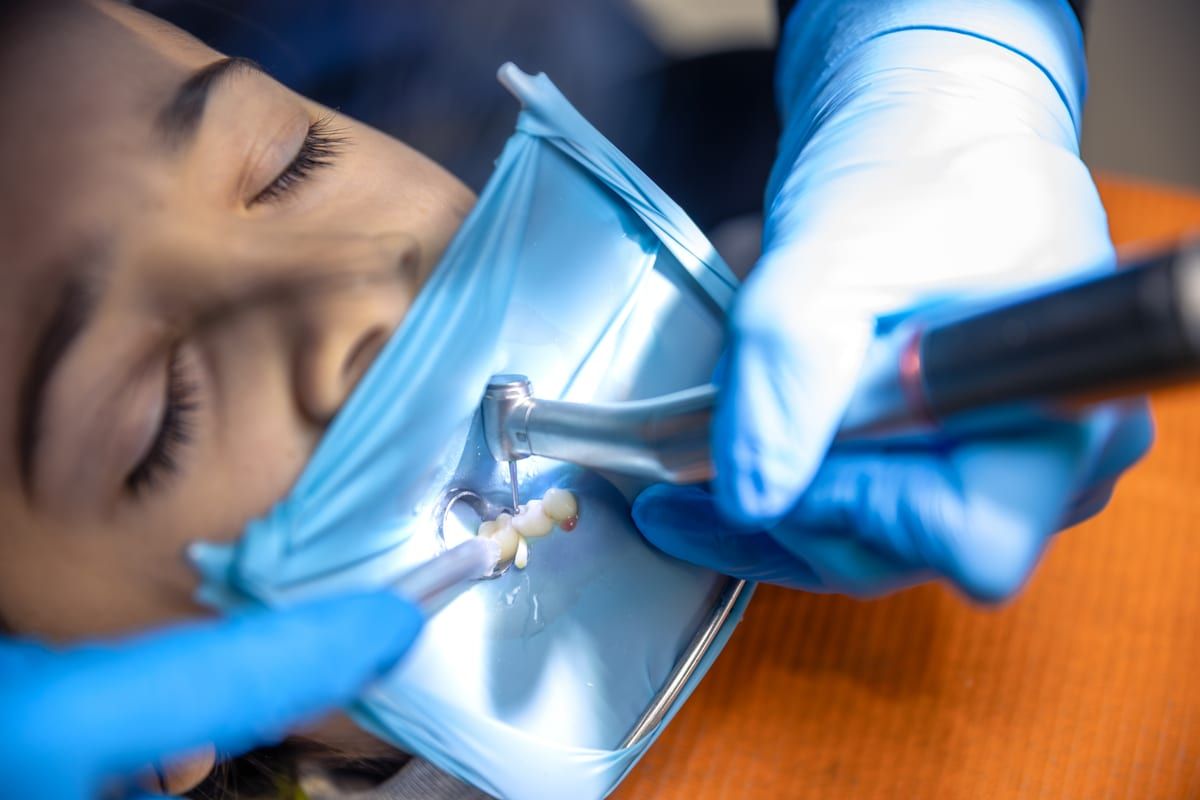
Root canal treatment removes the infected or inflamed pulp, thoroughly cleans and shapes the canal inside the tooth, and seals it so bacteria cannot return. A crown is typically placed afterward to restore full function and protect the tooth long term. The result? A tooth that looks normal, feels normal, and can last you many more years.
So when your dentist recommends root canal treatment in New Lenox, they are not delivering bad news. They are offering you a real path to saving a tooth that is already in trouble.
Why Do People Fear It So Much?
Mostly, it comes down to reputation built on outdated experiences.
Decades ago, before modern anesthetics and precision dental instruments became standard, dental procedures were genuinely more uncomfortable. Stories from parents and grandparents got passed down, and the fear took on a life of its own. But dentistry has changed enormously. The techniques are better, the anesthetics are stronger and faster-acting, and the tools are far more precise. Most patients who have had a root canal in recent years will tell you the procedure itself was not nearly as bad as they expected.
What often hurts is NOT the root canal. What hurts is the infection before the root canal. Once treatment begins, relief comes quickly.
Signs You May Need Root Canal Therapy
Your body usually gives signals before things get serious. Here are some signs that a tooth may need attention and that root canal therapy could be on the table:
- Persistent, throbbing tooth pain that does not go away on its own
- Sharp pain when biting down or chewing
- Prolonged sensitivity to hot or cold temperatures, even after the source is removed
- Tenderness, swelling, or puffiness in the gums near a specific tooth
- A small bump on the gum that looks like a pimple (this is often a sign of abscess)
- A tooth that has darkened or changed color
- An unpleasant taste or smell in your mouth with no clear cause
- Jaw discomfort or swelling around a particular area
It is worth noting that some patients experience none of these symptoms at all. In certain cases, a tooth nerve can die quietly following trauma, with no obvious pain signal. This is one reason why routine check-ups with dental X-rays matter so much. Catching these issues early means simpler, less involved treatment.
If any of the above sounds familiar, do not wait. An infected tooth does not heal on its own, and the longer you delay, the more complex and costly the situation typically becomes.
What to Expect During Root Canal Treatment in New Lenox
One of the biggest reasons patients feel better once they actually understand the process is that it is far more straightforward than people imagine.
Here is a general overview of what happens:
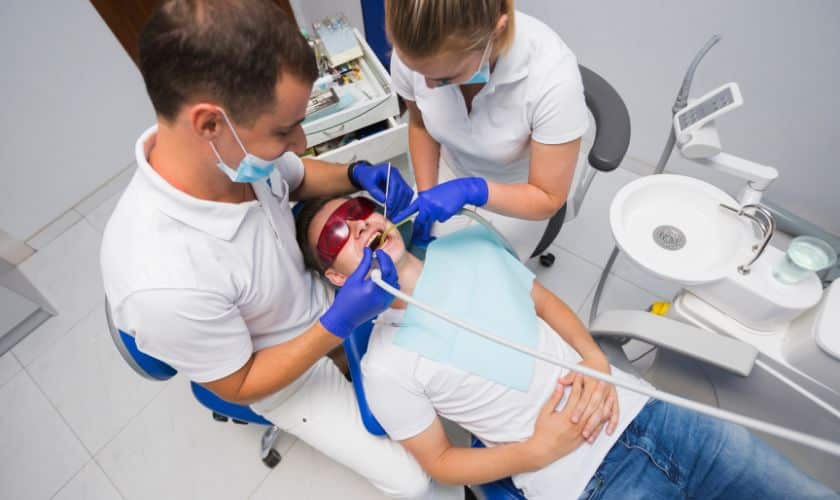
Step 1: Numbing the area. Before anything else, your dentist will apply a local anesthetic to fully numb the tooth and the surrounding tissue. You should feel little to no sensation during the procedure. If you feel anything at all that concerns you, let your dentist know. Comfort is the priority.
Step 2: Accessing the pulp. A small opening is made in the top of the tooth to reach the pulp chamber inside.
Step 3: Removing the infected pulp. Using small, precise instruments, the dentist removes the infected or damaged pulp tissue. The root canals are then carefully cleaned and shaped.
Step 4: Sealing the tooth. Once the canals are clean, they are filled with a biocompatible material called gutta-percha and sealed to prevent reinfection.
Step 5: Restoring the tooth. In most cases, a dental crown is placed over the treated tooth to restore its strength and appearance. This may happen at a follow-up appointment.
The entire procedure can often be completed in one or two visits depending on the complexity of the case. Most patients are surprised by how manageable the experience actually is.
After the procedure, some mild soreness or sensitivity is normal for a few days. Over-the-counter pain relievers typically handle this well. Your dentist may prescribe something stronger if needed. Most people return to their normal routines the next day.
Advanced Technology Makes a Difference
One of the things that has genuinely changed the root canal experience is imaging technology. Many dental offices today use 3D cone-beam imaging to plan treatment with a level of accuracy that was simply not possible in earlier years. This three-dimensional view allows your dentist to evaluate the exact structure of each tooth, identify the number and shape of root canals (which varies from person to person), and tailor the procedure to your specific anatomy. Less guesswork means more precise treatment and better outcomes.
Combined with advances in rotary endodontic instruments and improved local anesthetics, the root canal procedure has become a much smoother experience than most people expect.
Root Canal vs. Tooth Extraction: Why Saving the Tooth Matters
Some patients wonder if it would just be easier to pull the tooth. The short answer is that keeping your natural tooth is almost always the better long-term choice.
When a tooth is extracted and not replaced, the surrounding teeth can begin to shift. Bone loss in the jaw can occur over time. Chewing and biting function may be affected. Replacing a lost tooth with an implant or bridge costs significantly more than root canal treatment and involves additional procedures.
Root canal therapy, by contrast, preserves the natural tooth, maintains the surrounding bone structure, and typically costs less than extraction followed by replacement. Studies consistently show that root canal treatment has a success rate around 90 percent, and many treated teeth last a lifetime with proper care.
Saving the tooth is not just about the tooth itself. It is about preserving your overall oral health and avoiding a much longer and more expensive road down the line.
What to Eat After a Root Canal
Post-treatment eating is one of the questions we hear most often. The good news is that you are not stuck on a liquid diet. The general guidance is to stick to soft foods for the first two to three days and to avoid anything extremely hot or cold. Chewing on the opposite side of your mouth during that initial recovery period helps, too.
Think along the lines of yogurt, mashed potatoes, soup at a mild temperature, scrambled eggs, or soft pasta. Once the tenderness fades and your permanent crown is placed, you can return to eating normally without restriction.
We Make It Manageable
At our practice right here in New Lenox, we understand that dental anxiety is real. Our goal is not just to treat teeth but to make sure patients feel genuinely comfortable from the moment they walk in. We take time to explain what is happening at each step, we answer every question without rushing, and we do not begin treatment until you feel ready.
If you have been told you need root canal therapy, or if you have been dealing with tooth pain you have been putting off addressing, we encourage you to call our office and schedule a consultation. We serve patients throughout New Lenox and the surrounding communities, including Frankfort, Mokena, Homer Glen, Manhattan, and Lockport.
The sooner you address the issue, the more options you have. And more often than not, patients leave wondering why they were so worried in the first place.
Have questions about root canal treatment in New Lenox or want to schedule an appointment? Give us a call or request an appointment online. Our team is here to help you feel better, one tooth at a time.
Frequently Asked Questions About Root Canal Therapy in New Lenox
Does a root canal hurt?
The procedure itself is performed under local anesthesia, so you should feel pressure and movement but not sharp pain. The tooth and surrounding area are thoroughly numbed before any work begins. Many patients are genuinely surprised by how little discomfort they experience. Some mild soreness after the anesthetic wears off is normal and manageable with over-the-counter pain relievers.
How do I know if I need a root canal or just a filling?
A filling is used when decay has damaged the outer layers of the tooth but has not reached the pulp. If the infection or damage has penetrated into the pulp chamber, a root canal becomes necessary. Your dentist can determine which treatment is appropriate through a clinical exam and X-rays. If you are experiencing significant pain, sensitivity, or swelling, it is important to get evaluated sooner rather than later.
How long does a root canal take?
Most root canals can be completed in one to two appointments, each lasting roughly 60 to 90 minutes depending on the tooth and the complexity involved. Molars, which have multiple root canals, sometimes require more time than front teeth.
Is a crown always necessary after a root canal?
In most cases, yes. Once the pulp is removed, the tooth becomes more brittle and susceptible to fracture. A crown provides the structural protection needed to keep the tooth functioning normally over the long term. Your dentist will go over the restoration plan with you before treatment begins.
Will my dental insurance cover root canal treatment?
Most dental insurance plans cover at least a portion of root canal therapy after your deductible is met. Coverage varies depending on the specific plan and the tooth being treated. The front desk team at our office can help you understand your benefits and any out-of-pocket costs before you commit to treatment. Flexible financing options are often available as well.
What happens if I skip the root canal and just take antibiotics?
Antibiotics can temporarily reduce the symptoms of a dental infection, but they do not eliminate the source of the problem. The infection inside the tooth will return, often more aggressively, and the window for saving the tooth can close. Delaying root canal treatment almost never makes things better and frequently makes them significantly worse.
Can a tooth that already had a root canal become infected again?
It is uncommon but possible. If the original seal breaks down over time, bacteria can re-enter the canal. In these cases, a procedure called retreatment can often address the issue. Regular dental check-ups help catch any concerns early before they become serious.