820 W Laraway Rd, New Lenox, IL 60451
What to Eat (and Avoid) After Your Root Canal: Advice from Dental Experts

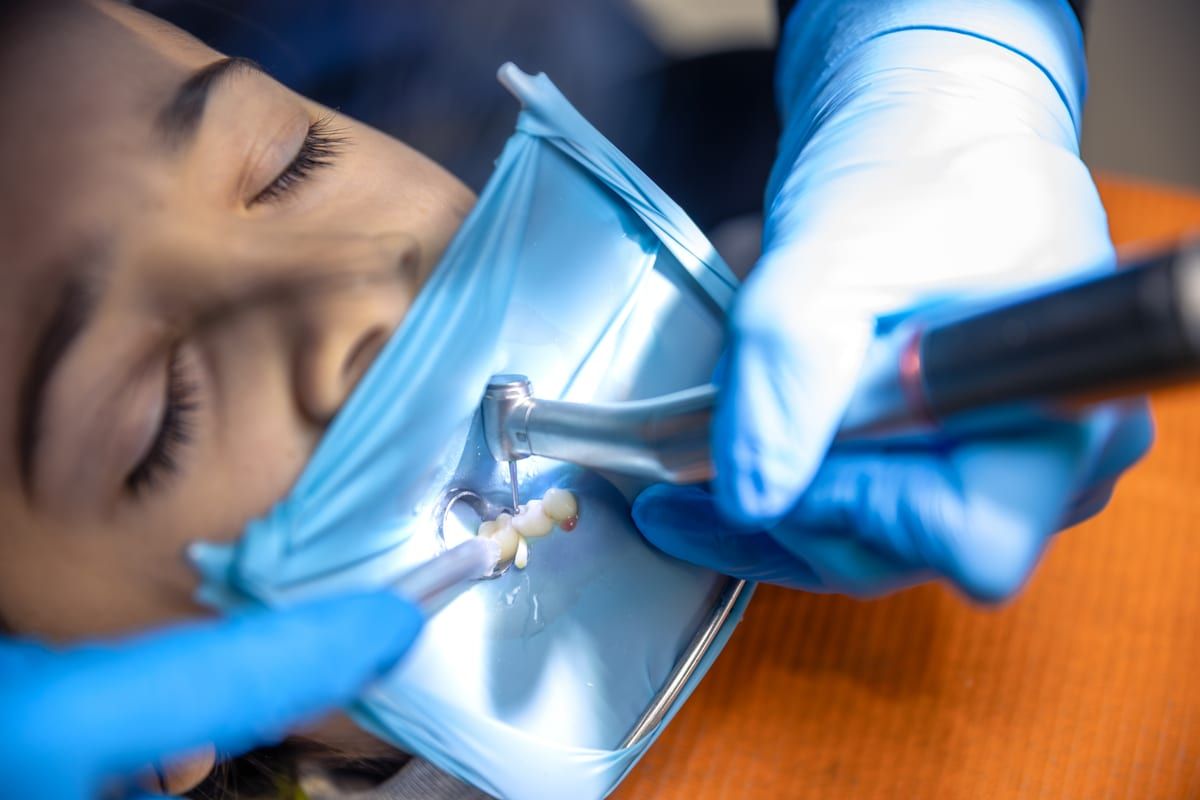
Wondering what to eat after root canal treatment in New Lenox? Get a simple food guide, recovery tips, and warning signs to watch for from a local dental team.
Root canal treatment in New Lenox has a reputation it does not deserve. Most patients walk out of the procedure with far less pain than they expected, and the biggest question left on their mind is usually the same one: what can I eat tonight? The good news is that a few simple choices in the first week can make your recovery smoother, protect the tooth, and get you back to your normal diet faster.
Why What You Eat Actually Matters
After root canal therapy, the tooth is still settling. The area around it may be tender, your jaw might be a little sore from holding it open during treatment, and if you received a temporary filling or crown, that restoration needs time to fully set. Eating the wrong foods too soon will not undo the treatment, but it can slow healing, dislodge a temporary filling, or leave you dealing with unnecessary discomfort. Choosing softer, cooler foods for the first day or two gives the area a chance to calm down before you go back to your usual meals.
What to Eat in the First 24 to 48 Hours
Stick to foods that require little to no chewing near the treated tooth. Good options include mashed potatoes, scrambled eggs, yogurt, smoothies, soup that is not too hot, oatmeal, and soft pasta. Room temperature or slightly cool foods tend to feel better than hot ones, especially while your mouth is still numb from the local anesthetic. If you are still numb, wait until the feeling fully returns before eating anything at all, since it is easy to bite your cheek or tongue without realizing it.
Foods and Habits to Avoid
A few things should stay off the menu until your tooth has had time to heal. Skip anything hard, crunchy, or sticky, such as nuts, popcorn, hard candy, chips, or caramel, since these can crack a temporary filling or put pressure on a tooth that is still recovering. Very hot or very cold foods and drinks can also trigger sensitivity in a freshly treated tooth. Chewing gum and hard bread crusts are common culprits for accidentally loosening a temporary restoration, so hold off on those for a week or so. It is also smart to chew on the opposite side of your mouth until you are cleared for normal use of the treated tooth.
Easing Back Into Normal Eating
Most patients can gradually return to their regular diet within a few days, once any soreness has faded. Reintroduce firmer foods slowly and pay attention to how the tooth responds. Mild sensitivity to pressure or temperature for one to two weeks is normal. If you had a temporary crown placed, you will still want to avoid overly sticky or hard foods on that tooth until your permanent crown is in place, since a temporary is not built for long-term chewing.
Managing Discomfort Alongside Your Diet
Some tenderness after root canal therapy in New Lenox is expected, especially in the day or two afterward. Over-the-counter pain relievers, taken as directed, usually handle this well. A cold compress on the outside of the jaw can help with swelling, and rinsing gently with warm salt water can soothe the surrounding gum tissue. If pain increases rather than improves after the first few days, or if you notice swelling, a bad taste, or fever, that is not typical, and you should call your dentist rather than waiting it out.
When to Call Your Dentist
Root canal recovery is usually straightforward, but a few signs mean you should reach out sooner rather than later. These include pain that gets worse after day three, visible swelling in your face or gums, a temporary filling that falls out, or a fever. Left unaddressed, these can point to a lingering infection that needs attention. Our team walks every patient through personalized aftercare instructions before they leave, and we are always available if something does not feel right during recovery. For a deeper look at how untreated infection can affect more than just your smile, our blog on whether root canal problems can contribute to broader health issues is worth a read, as is our step-by-step guide covering nine aftercare tips to follow after a root canal.
Frequently Asked Questions
How long should I wait to eat after a root canal?
Wait until the numbness from the local anesthetic has completely worn off, which usually takes two to four hours. Eating while numb can lead to accidentally biting your cheek, lip, or tongue without feeling it.
Can I drink coffee or alcohol after root canal treatment?
It is best to avoid very hot beverages and alcohol for the first day or two, since both can irritate the treated area and interfere with healing. Lukewarm or room temperature drinks are a safer choice early on.
Is it normal for the tooth to feel sensitive for weeks afterward?
Mild sensitivity to pressure or temperature can last one to two weeks as the tissue around the tooth settles. If sensitivity is severe or lasts much longer, contact your dentist for an evaluation.
What if my temporary filling feels different when I bite down?
A temporary filling that feels high or uneven should be checked promptly, since it can cause bite problems or come loose. Call the office rather than trying to file it down yourself.
Do I need a special diet if I am getting a permanent crown soon?
Continue with softer foods on that side until your permanent crown is placed, since the temporary restoration is not designed for heavy, everyday chewing.
Ready for Comfortable, Expert Root Canal Care?
If you are dealing with a persistent toothache or have been told you need root canal therapy in New Lenox, our team is here to make the process as smooth as possible from diagnosis through recovery. Call (815) 242-9594 or book an appointment online today to get the relief you need.